
For many women, experiencing unwanted facial hair growth can be a source of discomfort and self-consciousness, especially when it’s linked to a condition like Polycystic Ovary Syndrome (PCOS). Polycystic ovaries facial hair, also known as hirsutism, is a common symptom where women develop excessive hair growth in areas typically associated with male hair patterns, such as the chin, upper lip, and jawline. This can be particularly challenging to manage, but understanding its causes and available solutions can empower you to take control. At Radzs Hair Studio Cyberjaya, we understand these concerns and offer professional guidance and services to help you navigate your journey with confidence. We aim to provide comprehensive information and practical tips to manage polycystic ovaries facial hair effectively, helping you achieve smoother, more radiant skin.
Understanding polycystic ovaries facial hair and its causes
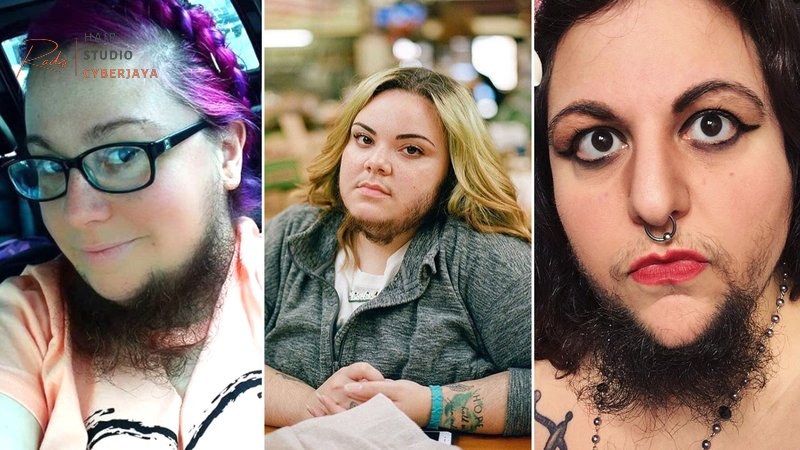
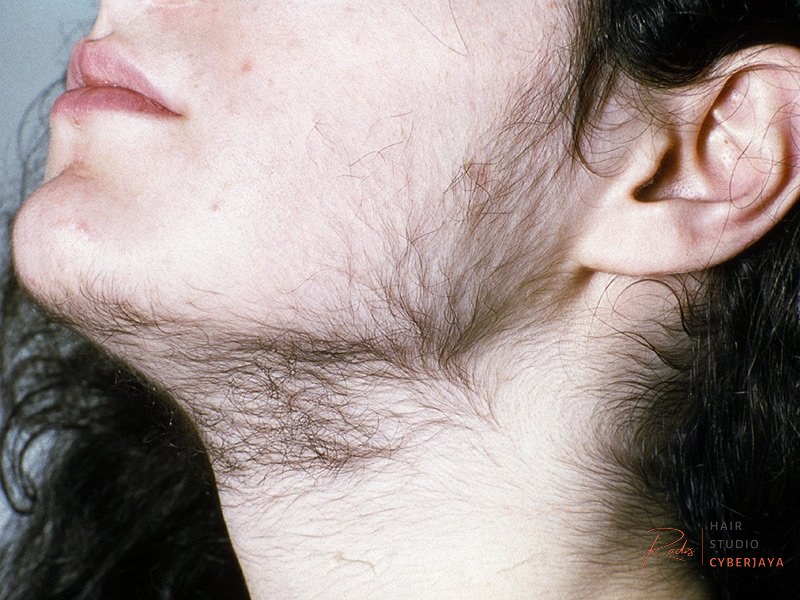
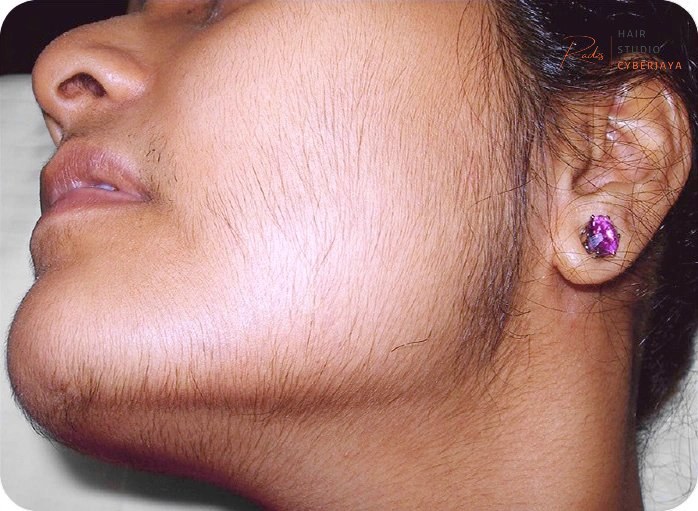
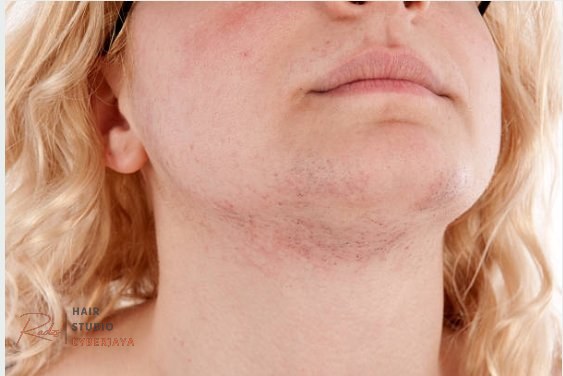
Polycystic ovaries facial hair is a significant symptom for many women living with PCOS. This condition is characterized by an imbalance of reproductive hormones, which can lead to various symptoms including irregular periods, weight gain, and importantly, hirsutism. The excessive hair growth often appears on the face, specifically the chin, upper lip, and sideburns, as well as other areas of the body like the chest, back, and abdomen. This happens because women with PCOS often have higher levels of androgens, which are male hormones.
These elevated androgen levels stimulate hair follicles to produce thicker, darker hair in androgen-sensitive areas. It’s not just about the hair itself, but also the emotional and psychological impact it can have. Many women report feeling self-conscious, frustrated, or even embarrassed by their polycystic ovaries hair on chin or other facial areas. Recognizing that this is a common and medically recognized symptom of PCOS is the first step toward finding effective management strategies and seeking support. Understanding the root cause helps in choosing the most appropriate and sustainable treatment options.
How PCOS leads to unwanted hair growth on the face
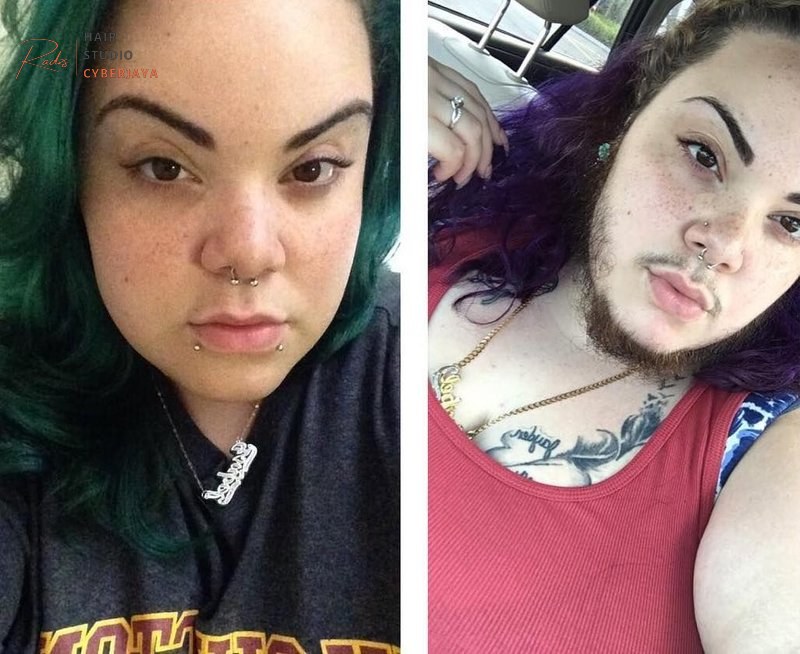
The primary driver behind polycystic ovaries facial hair is an excess of androgens. In women, androgens such as testosterone are typically present in small amounts. However, in PCOS, the ovaries or adrenal glands may produce higher levels of these hormones. These elevated androgens can contribute to PCOS facial hair by acting on androgen receptors at the hair follicle. When androgens bind to their receptors, they can stimulate hair follicles to grow thicker, darker, and more abundant hair.
This process is known as hirsutism. It’s important to differentiate hirsutism from hypertrichosis, which is an increase in total body hair regardless of androgen levels. Hirsutism specifically refers to male-pattern hair growth in women. The hair often presents as coarse and dark, making it more noticeable. Many women with PCOS find themselves dealing with significant pcos hair on face, requiring constant management and removal. Understanding this hormonal mechanism helps in selecting treatments that target the androgen imbalance.
Natural methods for managing PCOS facial hair
For those looking for how to stop facial hair growth due to pcos naturally, several approaches can help manage the condition, though consistency is key. Lifestyle adjustments often play a crucial role in regulating hormone levels, which can in turn impact hair growth. These methods aim to address the underlying hormonal imbalances that contribute to hirsutism, offering a gentler, more holistic way to manage symptoms. While natural remedies may not provide immediate results, they can be highly effective in the long term when combined with medical advice.
Dietary changes, such as reducing sugar intake and focusing on whole foods, can improve insulin sensitivity, which is often a factor in PCOS. Regular exercise also helps in managing weight and insulin levels. Incorporating specific herbs and supplements can also be beneficial. It’s always recommended to consult with a healthcare professional before starting any new natural treatment to ensure it’s safe and appropriate for your specific condition.
Dietary changes to reduce facial hair growth from PCOS
Diet plays a pivotal role in managing PCOS symptoms, including polycystic ovaries facial hair. A diet rich in whole foods, lean proteins, and healthy fats can help regulate insulin levels, which in turn can influence androgen production. Reducing processed foods, refined sugars, and unhealthy fats is crucial, as these can exacerbate insulin resistance and inflammation, leading to higher androgen levels. Focusing on a low glycemic index (GI) diet can be particularly beneficial.
Foods like lean meats, fish, fruits, vegetables, and whole grains help to stabilize blood sugar. Some women also find that incorporating spearmint tea into their daily routine helps. Spearmint has anti-androgenic properties that may help reduce testosterone levels. While not a quick fix, consistent dietary modifications can contribute significantly to how to get rid of PCOS facial hair over time by addressing the root hormonal cause. It’s about nurturing your body from the inside out to achieve a more balanced state.
Herbal remedies and supplements for managing pcos hair growth on face
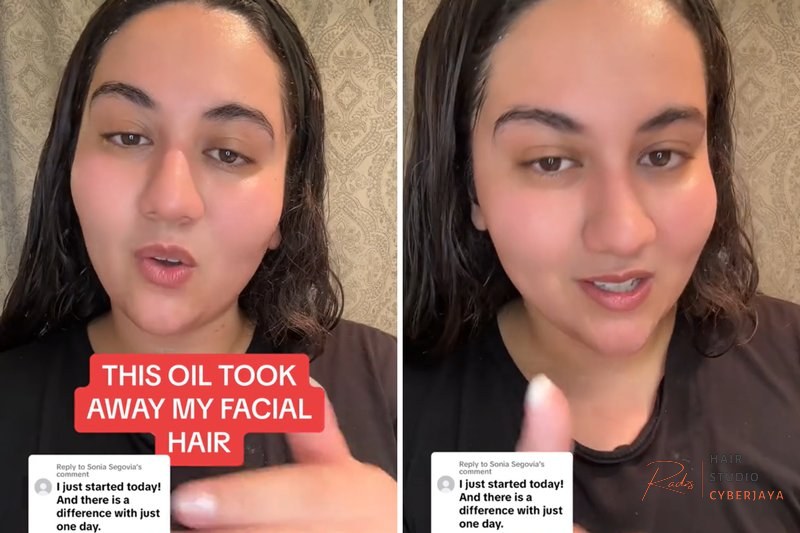
Beyond diet, certain herbal remedies and supplements have shown promise in helping to manage pcos hair growth on face. Spearmint tea, as mentioned, is often lauded for its anti-androgenic effects. Drinking two cups a day may help reduce circulating testosterone levels, thus potentially diminishing facial hair growth over several months. Another popular supplement is Inositol, particularly myo-inositol, which can improve insulin sensitivity and ovarian function, contributing to better hormone balance.
Saw palmetto is another herb that some women find helpful, as it may block the conversion of testosterone to its more potent form, dihydrotestosterone (DHT). However, it’s essential to approach herbal remedies with caution and always consult a healthcare provider. They can ensure these supplements are safe for you and won’t interact negatively with any medications. While these options may not completely eliminate polycystic ovaries facial hair, they can significantly reduce its severity and make it more manageable.
Professional solutions for removing polycystic ovaries facial hair
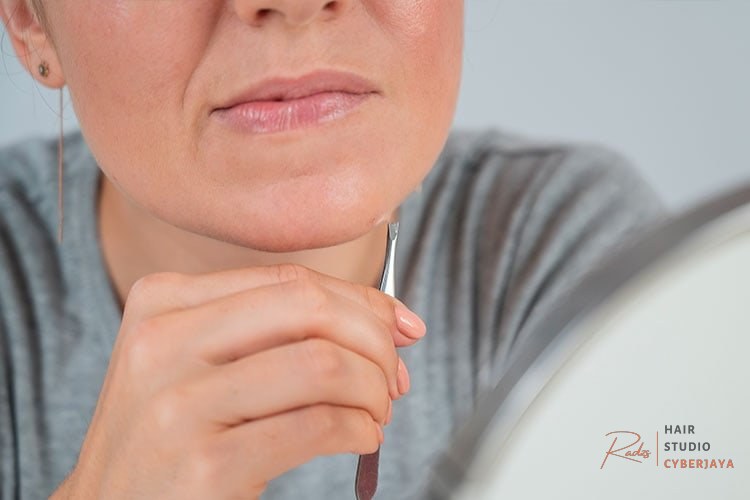
When natural methods aren’t enough, or for those seeking more definitive solutions for how to get rid of facial hair with pcos, professional treatments offer effective and often long-lasting results. These options leverage advanced technologies and expert techniques to target unwanted hair directly. From temporary solutions like waxing and threading to more permanent methods like laser hair removal and electrolysis, there’s a wide spectrum of choices available. The best approach often depends on the individual’s hair type, skin tone, budget, and desired outcome.
Consulting with specialists, like those at Radzs Hair Studio Cyberjaya, can help you understand the most suitable professional treatment plans for your specific needs. These treatments not only provide physical relief from unwanted hair but also significantly boost self-confidence. It’s about finding a solution that fits your lifestyle and helps you feel more comfortable in your own skin. Professional interventions can offer peace of mind and noticeable improvements, allowing you to focus less on managing your polycystic ovaries hair on chin and more on living your life.
Laser hair removal for pcos facial hair
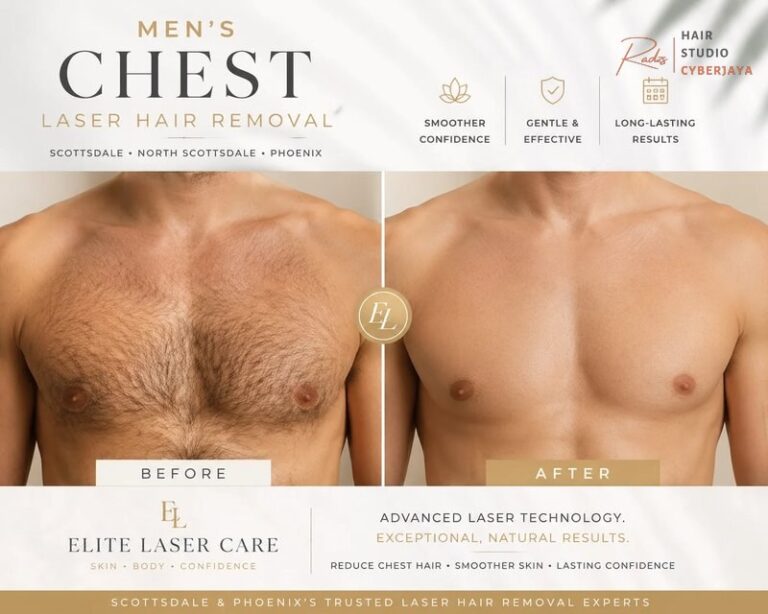
Laser hair removal is one of the most popular and effective professional treatments for polycystic ovaries facial hair. This method uses concentrated light energy to target and destroy hair follicles, preventing future hair growth. The laser specifically targets the melanin (pigment) in the hair, making it most effective for individuals with dark hair and lighter skin tones. Multiple sessions are typically required to achieve significant and lasting reduction, as hair grows in cycles, and the laser is only effective on hair in its active growth phase.
While not entirely permanent, laser hair removal can significantly reduce the density and thickness of pcos hair on face, making it much less noticeable and easier to manage. At Radzs Hair Studio Cyberjaya, we utilize state-of-the-art laser technology to ensure safe and effective treatments tailored to your needs. This treatment offers a convenient and relatively pain-free way to address unwanted facial hair, providing long-term relief and boosting confidence.
Electrolysis for permanent polycystic ovaries facial hair removal
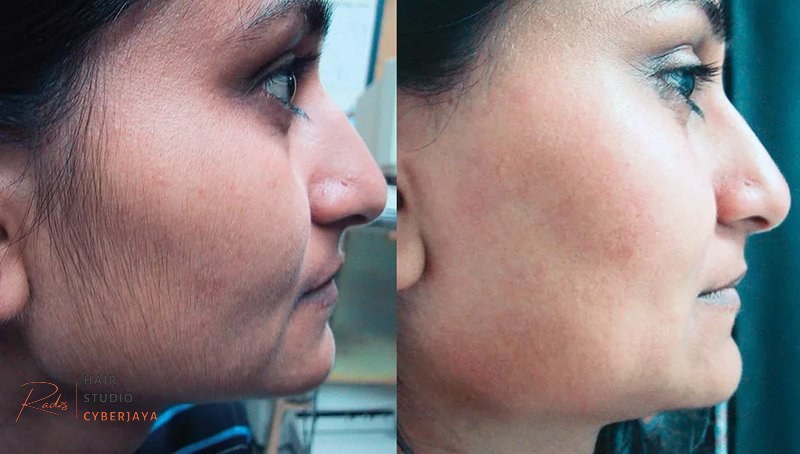
For individuals seeking a truly permanent solution for how to get rid of facial hair pcos, electrolysis is an excellent option. Unlike laser hair removal, which reduces hair growth, electrolysis permanently destroys individual hair follicles. This method involves inserting a fine probe into each hair follicle and delivering a small electrical current to destroy the follicle’s ability to grow hair. Electrolysis is effective on all hair colors and skin types, making it a versatile choice for many women.
Due to the meticulous nature of the process, electrolysis typically requires multiple sessions, especially for areas with significant hair growth like the chin and upper lip. While it can be a longer commitment, the results are permanent, offering a lasting solution to polycystic ovaries facial hair. This treatment can provide immense relief and confidence for women who have struggled with persistent hair growth, eliminating the need for constant shaving, waxing, or plucking. Professional practitioners ensure the procedure is as comfortable and effective as possible.
Comparing professional hair removal options for PCOS
When considering professional treatments for polycystic ovaries facial hair, it’s helpful to compare the various methods available. Each option has its own set of benefits, considerations, and ideal candidates. Understanding these differences can help you make an informed decision that best suits your needs and expectations. We have compiled a table to help you easily compare laser hair removal and electrolysis.
| Treatment Type | Effectiveness | Pain Level | Cost per Session | Number of Sessions | Suitable Hair/Skin Type |
|---|---|---|---|---|---|
| Laser Hair Removal | Significant reduction in hair growth (not permanent) | Mild to moderate discomfort | $$ | 6-8 sessions (maintenance may be needed) | Best for dark hair on light skin |
| Electrolysis | Permanent hair removal | Moderate discomfort | $$$ | Numerous sessions over several months/years | Effective on all hair and skin types |
Laser hair removal offers a quick way to reduce hair density, making it a popular choice for many. Electrolysis, while more time-consuming and potentially more uncomfortable, provides the only truly permanent solution. The choice often comes down to individual priorities, whether it’s speed, permanence, or versatility. Consulting with a professional can provide personalized recommendations based on your unique situation.
Support and self-care when dealing with PCOS facial hair
Living with polycystic ovaries facial hair can be challenging, not just physically but emotionally as well. It’s crucial to prioritize self-care and seek support to navigate the emotional impact of this condition. Many women experience feelings of frustration, embarrassment, or anxiety due to their pcos hair growth on face. Remember that you are not alone, and there are communities and resources available to help you cope. Building a strong support system can make a significant difference in managing your overall well-being.
Self-care practices, whether it’s exploring different hair removal methods or embracing your natural self, contribute to a healthier mindset. Empowering yourself with knowledge about your condition and exploring effective management strategies can lead to increased confidence and a better quality of life. At Radzs Hair Studio Cyberjaya, we believe in supporting women through their journey, offering not just treatments but also understanding and encouragement.
Embracing self-love and confidence with PCOS
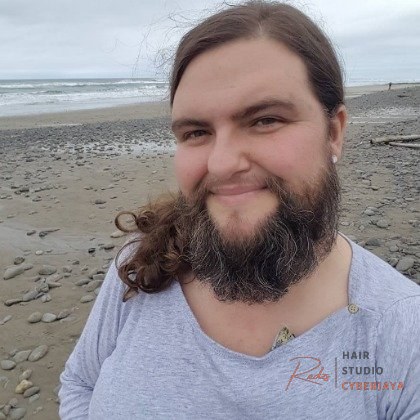
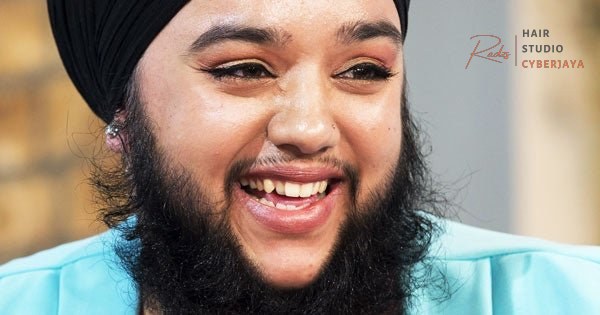
Embracing self-love and confidence when dealing with polycystic ovaries facial hair is a powerful step towards a happier life. It’s easy to get caught up in societal beauty standards, but true confidence comes from within. Many women choose to manage their facial hair, while others embrace it as a part of who they are, challenging norms and promoting body positivity. There’s no right or wrong way to approach it; the most important thing is to do what makes you feel comfortable and confident.
Connecting with online communities or support groups can provide a safe space to share experiences and find solidarity. Seeing other women celebrate their journey with PCOS and facial hair can be incredibly empowering. Remember that your worth is not defined by your hair. Focus on what makes you feel good, whether it’s through self-care routines, pursuing hobbies, or simply accepting yourself. At the end of the day, managing polycystic ovaries facial hair is about personal choice and fostering a positive relationship with your body.
Frequently Asked Questions about PCOS Facial Hair
What are the signs of polycystic ovaries hair on chin?
Polycystic ovaries hair on the chin typically appears as thicker, darker, and coarser hair than the fine, vellus hair normally found on women’s faces. This excessive growth is known as hirsutism and often extends to the upper lip and jawline.
How can I stop facial hair growth due to PCOS naturally?
Stopping facial hair growth due to PCOS naturally involves lifestyle changes like adopting a low-GI diet, reducing processed foods, and incorporating spearmint tea. Supplements like inositol and saw palmetto may also help regulate hormones, but consult a doctor first.
Can polycystic ovaries hair growth on face be permanent?
While polycystic ovaries hair growth on the face often requires ongoing management, treatments like electrolysis offer permanent removal of individual hair follicles. Laser hair removal provides significant, long-term reduction, but usually requires maintenance sessions.
What is the most effective way to get rid of PCOS facial hair?
The most effective way to get rid of PCOS facial hair depends on individual needs. Electrolysis is the only permanent solution, while laser hair removal offers significant long-term reduction. Both are professional treatments and often require multiple sessions for best results.
Are there any creams to reduce facial hair with PCOS?
Yes, prescription creams like eflornithine hydrochloride (Vaniqa) can help slow down facial hair growth and make it finer, but they do not remove existing hair. These creams are typically used in conjunction with other hair removal methods for best results.
Conclusion
Navigating the challenges of polycystic ovaries facial hair can be a journey, but with the right knowledge and support, managing this common symptom of PCOS is entirely possible. We’ve explored various strategies, from natural remedies like dietary changes and herbal supplements to professional treatments such as laser hair removal and electrolysis. Each option offers unique benefits, helping you find the most suitable approach to effectively manage your polycystic ovaries facial hair. Remember that prioritizing self-care and seeking emotional support are just as crucial as the physical treatments themselves.
Whether you choose to embrace your natural self or opt for professional intervention, the goal is to feel comfortable and confident in your own skin. At Radzs Hair Studio Cyberjaya, we are dedicated to providing personalized solutions and unwavering support for women dealing with PCOS facial hair. Don’t hesitate to reach out to us for expert advice and tailored treatments to help you achieve your desired results and boost your self-esteem.