

For many individuals, the question of “does vaping cause hair loss” is becoming increasingly common as vaping gains popularity. Yes, vaping can indeed be a significant contributor to thinning hair and even hair loss. While often perceived as a safer alternative to traditional cigarettes, the chemicals present in e-cigarettes, especially nicotine, can have detrimental effects on hair health. At Radzs Hair Studio Cyberjaya, we often encounter clients concerned about hair thinning, and understanding potential causes like vaping is crucial for effective treatment.
The intricate connection between your lifestyle choices and hair vitality is undeniable. Vaping introduces a cocktail of substances into your body, which can interfere with the delicate balance required for robust hair growth. This article explores the scientific basis behind how vaping might be affecting your hair and what measures you can take to protect your precious strands.
Understanding the potential link between vaping and hair loss
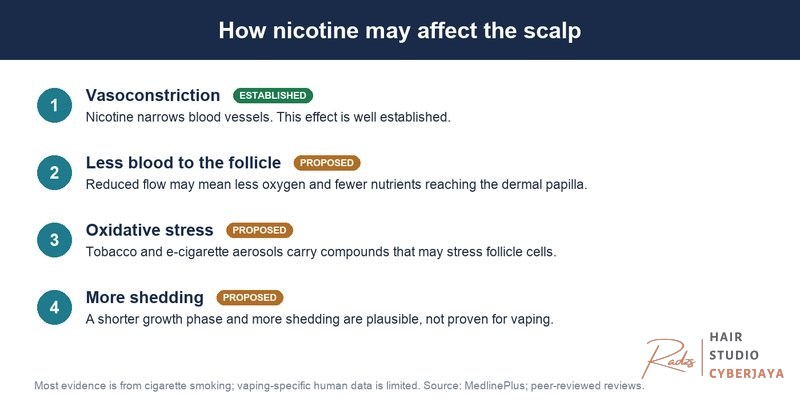
The primary concern regarding whether vaping causes hair loss stems from the presence of nicotine and other chemicals in e-liquids. Nicotine, a vasoconstrictor, reduces blood flow to various parts of the body, including the hair follicles. Healthy hair follicles require a steady supply of oxygen and nutrients to grow strong and vibrant hair. When this supply is compromised, hair can become weak, brittle, and eventually fall out.
Beyond nicotine, the various flavorings and propylene glycol in vape juices can also contribute to oxidative stress and inflammation, further impairing hair follicle function. This environmental stress can disrupt the natural hair growth cycle, leading to an increased number of hairs entering the resting phase (telogen) prematurely and subsequent shedding. Many studies suggest that any form of tobacco use, including vaping, negatively impacts hair. These substances don’t just affect hair growth cycles but also the very fiber of your hair.
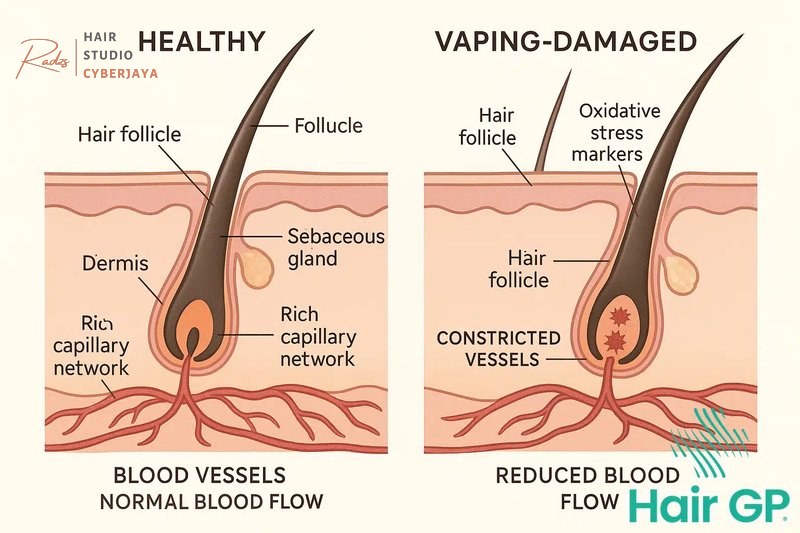
How nicotine impacts hair follicles and growth
Nicotine is a potent chemical that affects the body in multiple ways, and its impact on hair health is a significant concern for those asking, “can vaping cause hair loss?” When nicotine enters the bloodstream, it causes blood vessels to narrow. This vasoconstriction reduces the amount of blood that can reach the hair follicles, which are tiny organs responsible for producing hair strands. Hair follicles are highly active and demand a constant supply of blood-borne nutrients and oxygen to sustain their rapid cell division and growth.
A diminished blood supply means that hair follicles receive fewer essential nutrients and less oxygen. This deprivation can weaken the hair shaft, making it more prone to breakage and thinning. Moreover, chronic nicotine exposure can shorten the anagen (growth) phase of the hair cycle and prematurely push follicles into the telogen (resting) phase, leading to increased hair shedding. Over time, this can result in noticeable hair thinning and even bald spots.
Other chemicals in vape products affect hair health
While nicotine is often highlighted, it’s essential to recognize that e-liquids contain a cocktail of other chemicals that can also harm your hair. Propylene glycol and vegetable glycerin, which form the base of most vape juices, can dry out the scalp and hair, leading to irritation and brittleness. These ingredients, when heated and inhaled, can contribute to oxidative stress in the body.
Oxidative stress occurs when there’s an imbalance between free radicals and antioxidants, damaging cells, including those in hair follicles. Furthermore, the numerous flavorings used in e-cigarettes, many of which are unregulated, can trigger inflammatory responses or allergic reactions on the scalp. Chronic inflammation can severely impair hair follicle function, further contributing to hair loss and making it harder for your hair to grow back healthy. These various components collectively increase the likelihood that vaping and hair loss are connected.
Comparing vaping and traditional smoking’s effects on hair
When discussing whether vaping causes hair loss, it’s natural to compare its effects with those of traditional smoking. While both involve inhaling harmful substances, the specific chemical profiles differ. Traditional cigarettes contain thousands of chemicals, including tar, carbon monoxide, and various carcinogens, which are known to cause extensive damage to overall health, including hair.
Smoking severely restricts blood flow, increases oxidative stress, and can deplete the body of vital nutrients necessary for hair growth. Vaping, while often marketed as a “safer” alternative, still delivers nicotine and other potentially harmful chemicals, albeit typically in different concentrations and without tar. Both methods impact blood circulation and cellular health, making them contributors to hair thinning and loss. However, the precise degree of impact can vary, and research is still evolving on the long-term effects of vaping.
Similarities in hair loss mechanisms
Both vaping and traditional smoking contribute to hair loss through remarkably similar mechanisms, primarily centered around their impact on circulation and cellular health. The most significant commonality is the presence of nicotine in both. Nicotine, regardless of its delivery method, acts as a vasoconstrictor, narrowing blood vessels and thereby reducing the crucial flow of oxygen and nutrients to hair follicles. This deprivation starves the follicles, leading to weakened hair strands and a disrupted growth cycle.
Additionally, both smoking and vaping can induce oxidative stress. The chemicals inhaled, whether from burning tobacco or heated e-liquids, can create free radicals that damage cells, including those responsible for hair growth. This cellular damage can accelerate the aging of hair follicles, leading to premature thinning and shedding. Both habits also elevate inflammation, which further exacerbates the problem by irritating the scalp and impairing follicle function. This shared biological impact solidifies the concern that vaping and hair loss are closely linked.
Differences and specific risks associated with vaping
While sharing common hair loss mechanisms with traditional smoking, vaping presents unique differences and specific risks. One notable difference lies in the absence of tar and many combustion byproducts found in cigarettes. This has led some to believe vaping is entirely harmless, but this is a misconception. Vaping introduces a different set of chemicals, including propylene glycol, vegetable glycerin, and various flavorings, many of which have not been thoroughly studied for their long-term effects on hair or overall health.
Some e-liquid components, when heated, can form new compounds that might be irritating or toxic, potentially contributing to scalp inflammation and follicle damage. Furthermore, the act of frequent vaping can lead to dehydration, which indirectly affects hair health by reducing elasticity and making hair more brittle. While traditional smoking has a well-documented history of health risks, the long-term impacts of vaping on specific conditions like hair loss are still emerging. Therefore, it’s crucial to consider the unique risks associated with vaping when assessing its potential to cause hair loss.
How to mitigate hair loss if you vape
If you’re concerned about whether vaping causes hair loss and you currently vape, there are several steps you can take to mitigate the potential damage and promote healthier hair. The most direct and effective approach is to consider reducing or completely quitting vaping. This will eliminate the primary source of nicotine and other harmful chemicals that disrupt hair follicle function and blood circulation. Even a gradual reduction can yield positive results for your hair’s health.
Alongside reducing vaping, adopting a holistic approach to hair care and overall well-being is crucial. This includes focusing on a nutrient-rich diet, ensuring adequate hydration, and managing stress levels. At Radzs Hair Studio Cyberjaya, we believe in a comprehensive strategy to combat hair loss, and addressing lifestyle factors like vaping is a key component. Remember, healthy hair often reflects overall body health.
Steps to take for healthier hair while vaping
If quitting vaping immediately isn’t an option, you can still implement strategies to support your hair’s health and minimize the effects of vaping. Prioritizing a nutrient-rich diet is essential. Ensure your diet includes plenty of vitamins and minerals vital for hair growth, such as Biotin, Vitamin D, Iron, Zinc, and Omega-3 fatty acids. Foods like leafy greens, lean proteins, nuts, and seeds can provide these crucial elements.
Hydration is another key factor. Vaping can contribute to dehydration, which negatively impacts hair. Drink plenty of water throughout the day to keep your body and hair follicles well-hydrated. Furthermore, consider incorporating gentle hair care routines, using sulfate-free shampoos and conditioners, and avoiding harsh chemical treatments or excessive heat styling. Regular scalp massages can also help stimulate blood flow to the follicles, counteracting some of the vasoconstrictive effects of nicotine.
When to seek professional help for hair loss
While understanding the potential impact of “vaping and hair loss” is important, it’s equally crucial to recognize when to seek professional help. If you notice significant hair shedding, patches of baldness, or persistent thinning despite taking self-care measures, it’s time to consult a specialist. Hair loss can be a complex issue with multiple underlying causes, and vaping might only be one contributing factor.
A dermatologist or a hair loss specialist can accurately diagnose the root cause of your hair loss. They can perform diagnostic tests, such as blood tests or scalp biopsies, to rule out other conditions like nutritional deficiencies, hormonal imbalances, autoimmune diseases, or genetic predispositions. Early diagnosis and intervention are key to effective treatment. Professionals can offer personalized advice, prescribe topical treatments, oral medications, or even suggest advanced therapies to promote hair regrowth and health.
Common misconceptions about vaping and hair loss
There are several common misconceptions surrounding the connection between vaping and hair loss. One prevalent myth is that because vaping doesn’t involve combustion, it is entirely harmless to the body, including hair. This overlooks the fact that e-liquids still contain nicotine and other chemicals that can impact physiological processes vital for hair health. The absence of tar doesn’t equate to the absence of harm.
Another misconception is that only heavy vapers will experience hair loss. While heavy use might exacerbate the problem, even moderate vaping can contribute to hair thinning over time due to chronic exposure to vasoconstrictive nicotine and other irritants. It’s also often believed that hair loss from vaping is irreversible, which is not always true. While severe damage can be challenging to reverse, early cessation and proper hair care can often lead to significant improvement and even regrowth. Understanding these nuances is key to accurately addressing the concern about whether vaping causes hair loss.
Addressing common myths and misunderstandings
Many individuals harbor misconceptions that cloud their understanding of how vaping causes hair loss. A significant myth is that “zero nicotine” vape juices are completely safe for hair. While nicotine-free options eliminate the vasoconstrictive effects of nicotine, other chemicals like propylene glycol and flavorings can still cause scalp irritation and oxidative stress, potentially impacting hair health. It’s not just about nicotine.
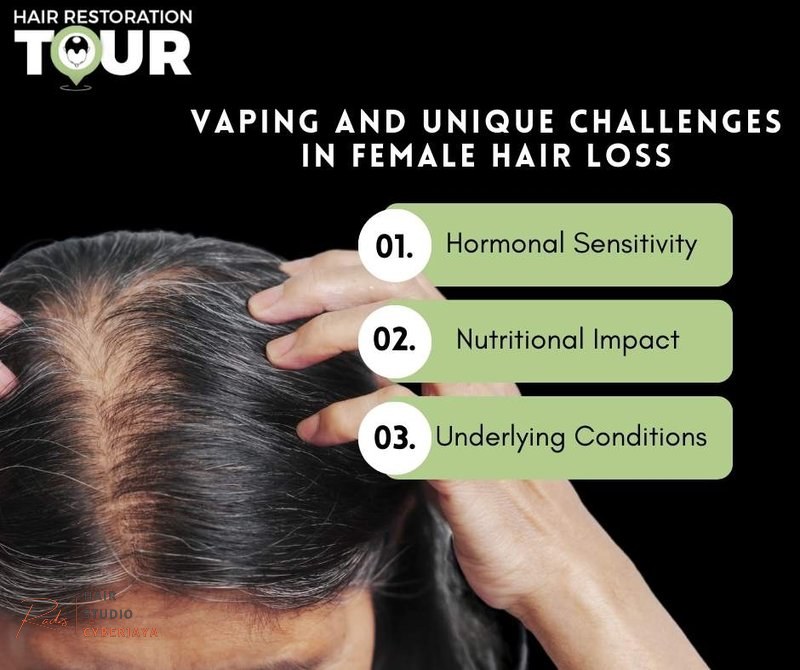
Another misunderstanding is that hair loss from vaping only affects men. The truth is that both men and women can experience hair thinning and loss due to vaping. Hormonal differences might influence the pattern, but the underlying mechanisms of reduced blood flow and cellular damage affect both sexes. Furthermore, some believe that vaping only causes temporary hair shedding. While initial shedding might be temporary, chronic vaping can lead to progressive thinning and miniaturization of hair follicles, resulting in permanent damage if not addressed.
Understanding potential recovery and prevention
If you’re grappling with the question, “does vaping cause hair loss?” and have noticed thinning hair, understanding potential recovery and prevention strategies is crucial. The good news is that if vaping is indeed a primary contributor to your hair loss, stopping or significantly reducing your vape intake can often lead to improvements in hair health. The body has a remarkable capacity for healing, and by removing the harmful elements, you give your hair follicles a chance to recover and resume normal growth patterns.
Prevention is always better than cure. If you haven’t started vaping, avoiding it altogether is the best way to protect your hair from its potential negative effects. For current vapers, making informed choices and taking proactive steps can help minimize damage and encourage regrowth. This involves not only addressing the vaping habit itself but also supporting your overall health with good nutrition and stress management. At Radzs Hair Studio Cyberjaya, we believe in empowering our clients with the knowledge to make healthier lifestyle choices for their hair.
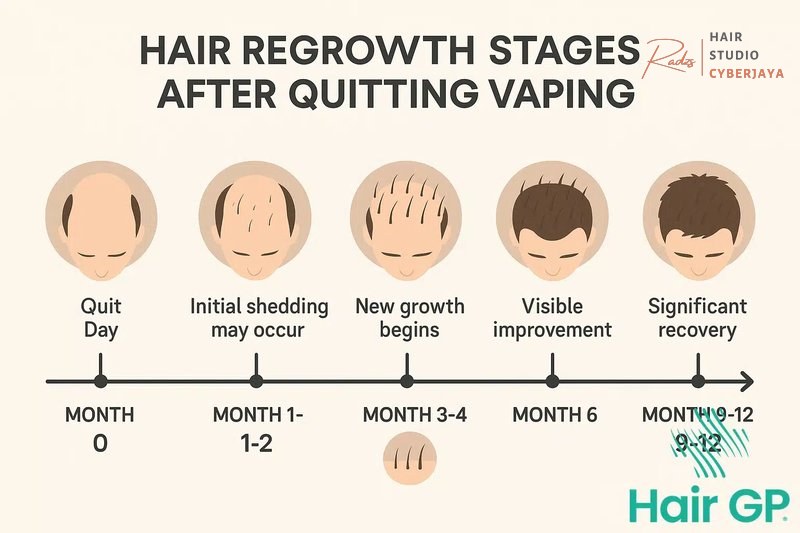
Hair regrowth timeline after quitting vaping
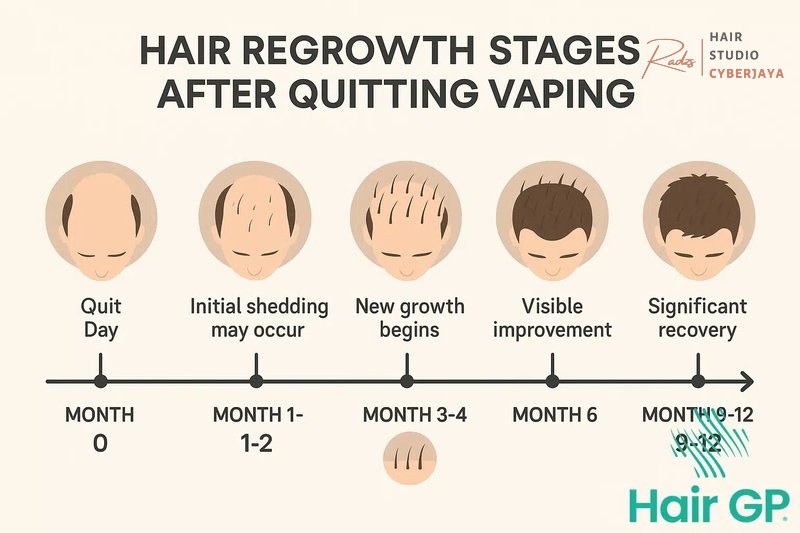
For those who decide to quit vaping, understanding the hair regrowth timeline can provide motivation and realistic expectations. The recovery process is not instantaneous, as hair growth cycles are lengthy. Immediately after quitting, your body begins to heal. Improved blood circulation starts to restore vital nutrients and oxygen to your hair follicles. You might not see noticeable changes right away, as it takes time for damaged follicles to rejuvenate.
Typically, within 3 to 6 months, many individuals report a reduction in hair shedding and potentially some signs of new growth. This is because the hair growth cycle spans several months, and it takes time for new, healthier hairs to emerge from recovered follicles. Full recovery and significant density improvements can take up to a year or even longer, depending on the extent of previous damage and individual factors. Consistency in a healthy lifestyle and proper hair care during this period will significantly enhance the results. This journey shows that vaping and hair loss can be reversed with commitment.
Preventative measures for maintaining healthy hair
Beyond addressing the issue of whether vaping causes hair loss, implementing preventative measures is key for maintaining healthy hair, regardless of your vaping status. A balanced diet rich in vitamins and minerals is foundational. Ensure you consume adequate protein, iron, zinc, and vitamins A, C, D, and E, all crucial for hair strength and growth. Staying well-hydrated is also paramount; water supports overall cellular health, including that of hair follicles.
Minimize stress, as chronic stress can lead to telogen effluvium, a type of temporary hair loss. Practice stress-reduction techniques such as meditation, yoga, or regular exercise. Protect your hair from environmental damage by wearing hats in harsh sun and avoiding excessive heat styling. Use gentle, nourishing hair products and consider regular scalp treatments to keep follicles healthy and stimulate circulation. These holistic approaches can significantly contribute to maintaining robust and vibrant hair.
Frequently Asked Questions about vaping and hair loss
Can vaping cause hair loss in women specifically?
Yes, vaping can cause hair loss in women just as it can in men. The nicotine in vape products reduces blood flow to hair follicles, which can lead to thinning and shedding. While hormonal factors might influence the pattern of hair loss, the underlying mechanisms of damage from vaping apply to all genders.
Is the hair loss from vaping permanent?
Hair loss from vaping is not necessarily permanent, especially if the habit is stopped early. When you cease vaping, blood flow and nutrient delivery to the follicles can improve, often leading to a reduction in shedding and potential regrowth of healthier hair. However, prolonged exposure can cause more significant damage.
Do nicotine-free vapes cause hair loss?
While nicotine-free vapes eliminate the vasoconstrictive effects of nicotine, they still contain other chemicals like propylene glycol and flavorings. These ingredients can cause scalp irritation, dryness, and oxidative stress, which may still contribute to some degree of hair thinning, though likely less severe than with nicotine-containing products.
How long after quitting vaping will my hair improve?
Improvement in hair health after quitting vaping can vary, but many individuals observe a reduction in shedding within 3 to 6 months. Significant regrowth and increased density may take up to a year or longer, as hair growth is a slow process and follicles need time to recover and normalize their cycles.
What are the signs of vaping-related hair loss?
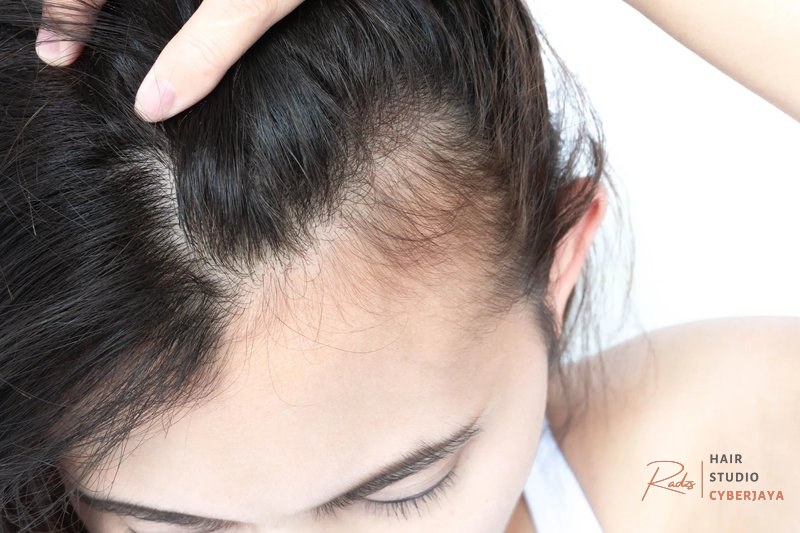
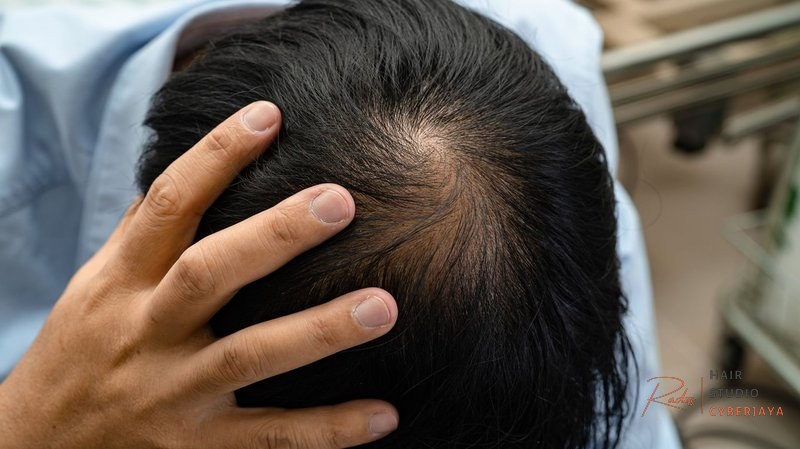
Signs of vaping-related hair loss include increased hair shedding, noticeable thinning on the scalp (especially at the crown or temples), weaker and more brittle hair strands, and a general lack of luster. If you experience these symptoms and vape regularly, it’s worth considering the connection.
Conclusion
The question “does vaping cause hair loss” is a significant concern for many, and the evidence suggests a strong link. Nicotine, a key component in most vape products, impairs blood flow to hair follicles, depriving them of essential nutrients and oxygen. Other chemicals in e-liquids also contribute to oxidative stress and inflammation, disrupting the natural hair growth cycle and leading to thinning and shedding. While often seen as a safer alternative to traditional smoking, vaping presents its own set of risks to hair health.
Understanding these connections is the first step towards healthier hair. By considering reducing or quitting vaping, adopting a nutrient-rich diet, ensuring proper hydration, and managing stress, you can significantly mitigate the negative effects. If you’re experiencing hair loss and are concerned about the impact of vaping, it’s crucial to seek professional advice. Remember, addressing the root causes is key to restoring your hair’s vitality. For personalized advice and effective solutions, visit us at Radzs Hair Studio Cyberjaya, where we are dedicated to helping you achieve and maintain beautiful, healthy hair. Don’t let the potential link between vaping and hair loss diminish your confidence; take control of your hair health today.