
For many, the dream of luscious, vibrant hair is a constant pursuit, leading us to explore various supplements and remedies. Among these, prenatal vitamins often surface as a popular topic, with many wondering, do prenatal vitamins promote hair growth? Yes, prenatal vitamins can indirectly support hair growth due to their rich nutrient profile, though they are specifically formulated for pregnant individuals. At Radzs Hair Studio Cyberjaya, we understand the desire for healthy hair and aim to provide clear, science-backed information to help you make informed decisions about your hair care journey. While prenatals offer a concentrated blend of vitamins and minerals vital for fetal development, some of these nutrients also play a crucial role in maintaining healthy hair.
The allure of prenatal vitamins for hair growth often stems from anecdotal evidence and the observation of thicker, healthier hair during pregnancy. This phenomenon is largely attributed to hormonal changes, but the robust nutritional support from prenatal vitamins certainly plays a part. However, it is essential to understand the specific components of these vitamins and their broader implications before incorporating them into your routine, especially if you are not pregnant.
Understanding prenatal vitamins and their hair growth benefits
Prenatal vitamins are comprehensive supplements designed to meet the increased nutritional demands of pregnancy. They typically contain higher doses of essential vitamins and minerals compared to standard multivitamins, specifically focusing on nutrients critical for both maternal health and fetal development. Key ingredients often include folic acid, iron, calcium, and a range of B vitamins, all of which indirectly contribute to overall bodily health, including the health of your hair. Many individuals find that these rich nutrient profiles can lead to stronger and healthier hair strands. However, it is important to consult with a healthcare professional before starting any new supplement regimen.
Folic acid, for instance, is crucial for cell division and growth, impacting hair follicle health. Iron helps prevent iron-deficiency anemia, a common cause of hair loss. Biotin, often included in higher amounts, is well-known for its role in strengthening hair and nails. These combined elements create an environment conducive to healthy hair growth. Many women notice significant improvements in their hair’s texture and thickness during pregnancy, which is often mistakenly attributed solely to the prenatal vitamins rather than the complex interplay of hormones and nutrition.
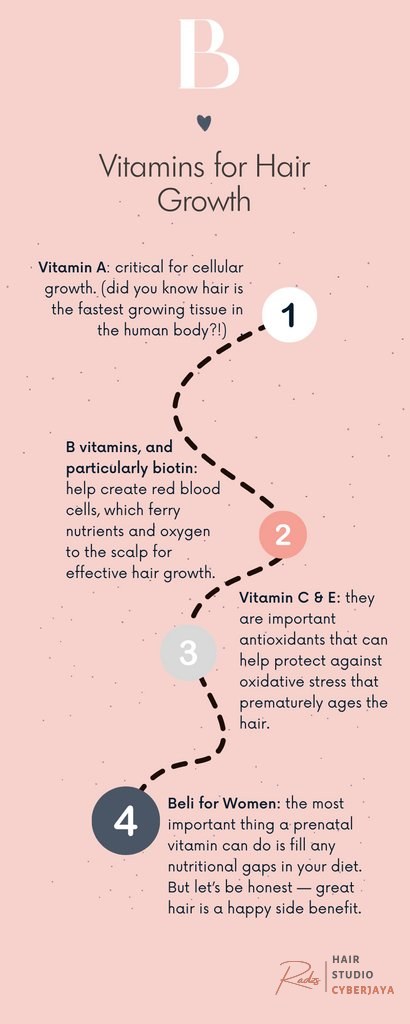
Key nutrients in prenatal vitamins that impact hair health

Several vital nutrients found in prenatal vitamins play a significant role in promoting healthy hair. Folic acid, a B vitamin, is essential for healthy cell growth and division, which directly impacts the cells within hair follicles. Adequate folic acid intake can support the production of new hair cells, contributing to stronger, more robust hair strands. Iron is another critical component, as iron deficiency can lead to significant hair loss. Prenatal vitamins often contain a higher dose of iron to prevent anemia in pregnant women, which can also benefit non-pregnant individuals experiencing iron-related hair thinning.
Biotin, although not always present in higher doses in all prenatal formulations, is widely recognized for its benefits to hair, skin, and nails. It helps in the metabolism of fatty acids and amino acids, which are building blocks for keratin, the primary protein in hair. Zinc, vitamins C and D, and omega-3 fatty acids also contribute to hair health by supporting the immune system, reducing inflammation, and maintaining scalp health. While these nutrients are beneficial, it is their combined effect in a balanced formulation that provides comprehensive support.
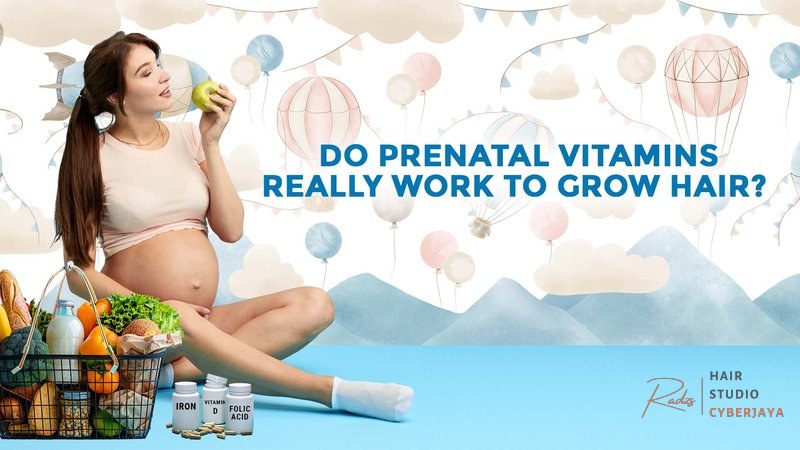
The science behind prenatal vitamins and hair growth
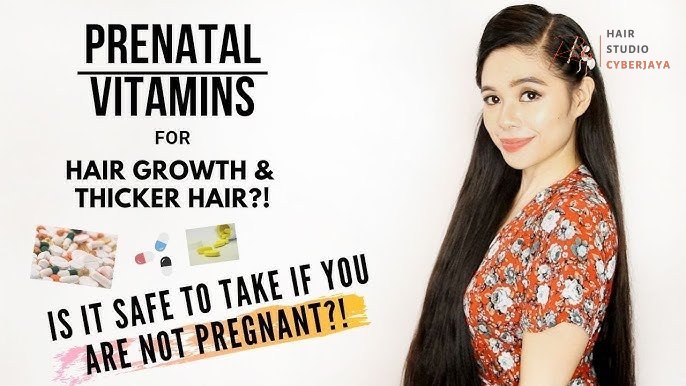
The scientific community acknowledges that certain nutrients found in prenatal vitamins are crucial for overall health, including hair health. While there isn’t extensive research directly proving that prenatal vitamins specifically promote hair growth in non-pregnant individuals more effectively than other supplements, the individual components are well-studied. For example, biotin deficiency is linked to hair loss, and supplementing with biotin can improve hair strength and reduce shedding for those deficient.
Similarly, iron deficiency anemia is a recognized cause of diffuse hair loss. Correcting this deficiency with iron supplements, often found in prenatals, can lead to hair regrowth. The increased blood flow and nutrient delivery during pregnancy also contribute to healthier hair, making it challenging to isolate the exact impact of prenatal vitamins alone. However, the comprehensive nutritional support offered by these vitamins certainly plays a supportive role in maintaining optimal conditions for hair growth, particularly when dietary intake is insufficient.
Risks and considerations for taking prenatal vitamins if not pregnant
While the idea that prenatal vitamins promote hair growth is appealing, it’s crucial to understand that these supplements are not without risks, especially for those who are not pregnant. They are formulated with higher doses of certain nutrients to meet the specific demands of pregnancy, which can be excessive for others. Taking high doses of certain vitamins and minerals unnecessarily can lead to adverse health effects. It’s essential to weigh the potential benefits against these risks before deciding to incorporate them into your daily routine for hair growth purposes.
For instance, the high iron content in prenatal vitamins can be problematic for non-pregnant individuals. Excessive iron intake can lead to iron overload, which can damage organs such as the liver, heart, and pancreas. Similarly, high levels of fat-soluble vitamins like Vitamin A, often found in prenatals, can accumulate in the body and become toxic. Consulting a healthcare professional before starting any supplement, especially one designed for a specific physiological state like pregnancy, is always advisable to ensure safety and appropriateness for your individual needs.
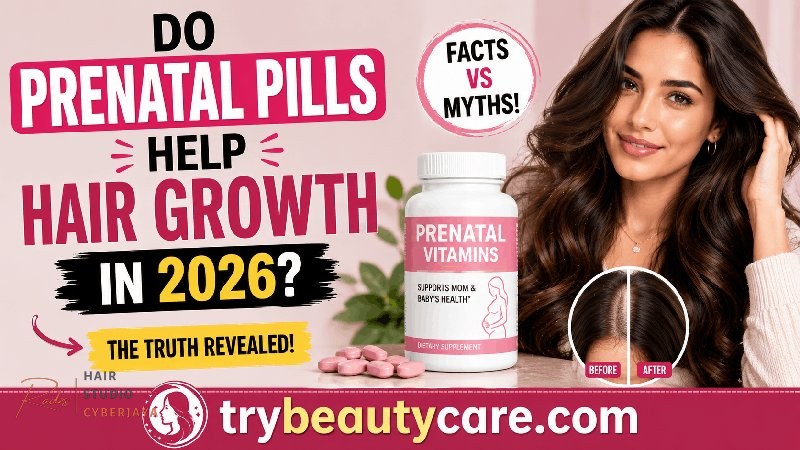
Potential side effects of high nutrient levels
Taking prenatal vitamins when not pregnant can expose you to excessive levels of certain nutrients, leading to various side effects. One of the most common concerns is iron overload. While iron is vital, too much can cause constipation, nausea, vomiting, and in severe cases, liver damage or heart problems. The iron content in prenatal vitamins is specifically tailored for pregnant women who often experience iron deficiency.
Another concern is Vitamin A toxicity. High doses of Vitamin A, especially in its preformed state (retinol), can accumulate in the body and cause headaches, dizziness, nausea, skin peeling, and even liver damage. For pregnant women, excessive Vitamin A can also be teratogenic, meaning it can cause birth defects. Although this risk is primarily for pregnant individuals, non-pregnant users should still be cautious. Other nutrients like folic acid, while generally safe, can mask a Vitamin B12 deficiency at very high doses, potentially delaying diagnosis and treatment of neurological issues.
Who should avoid taking prenatal vitamins for hair growth?
Not everyone should consider taking prenatal vitamins, especially if their primary goal is just hair growth. Individuals who already have a balanced diet and are not nutrient deficient may not benefit significantly and could instead face risks. Those with pre-existing medical conditions, such as hemochromatosis (a condition causing iron overload), should strictly avoid iron-rich supplements like prenatals without medical supervision. Similarly, individuals with kidney problems might struggle to excrete excess minerals, leading to dangerous accumulation.
If you are not pregnant or planning to conceive, and your diet is generally healthy, your nutritional needs might be adequately met without the high doses found in prenatals. Instead, focusing on a balanced diet rich in fruits, vegetables, lean proteins, and whole grains is a safer and often more effective approach for overall health and hair vitality. For specific concerns about hair loss or thinning, it is always best to consult with a doctor or a dermatologist at Radzs Hair Studio. They can recommend targeted solutions based on your individual health profile.
Safer and more effective alternatives for hair growth
When considering options to promote hair growth, it’s important to explore alternatives that are specifically designed for this purpose and carry fewer risks than prenatal vitamins for non-pregnant individuals. There are numerous supplements and topical treatments on the market formulated to target hair health directly. These alternatives often provide a more tailored approach, focusing on the specific nutrients and compounds known to support hair follicles and stimulate growth without the potential for excessive nutrient intake.
Before jumping into any new regimen, consulting with a hair care professional or a dermatologist can help identify the root cause of your hair concerns. They can recommend the most appropriate and safest solutions based on your hair type, lifestyle, and overall health. Radzs Hair Studio is dedicated to helping you achieve your hair goals safely and effectively. We can guide you through the best practices for maintaining healthy, vibrant hair, ensuring you choose the right products and treatments for your specific needs.
Specialized hair growth supplements
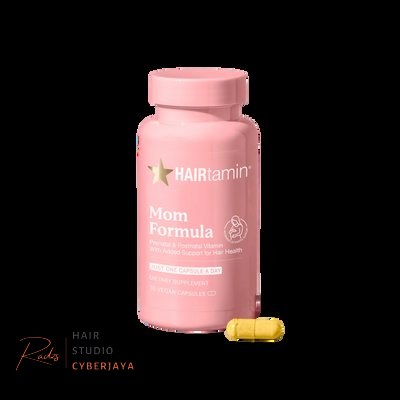
For those looking to boost hair growth, numerous specialized supplements are available that are specifically formulated with hair health in mind. These products typically contain a blend of vitamins, minerals, and other compounds known to support hair follicles and strengthen strands. Common ingredients often include biotin, zinc, vitamins C, D, and E, and various B vitamins. Unlike prenatal vitamins, these supplements are balanced to address hair-specific needs without the high doses of certain nutrients that might be excessive for non-pregnant individuals.
Some popular ingredients in hair growth supplements also include marine collagen, silica, and amino acids like L-cysteine and methionine, which are crucial for keratin production. These formulations aim to nourish the hair from within, promoting healthier, stronger growth and reducing breakage. When choosing a supplement, look for reputable brands that provide transparent ingredient lists and ideally, third-party testing to ensure quality and efficacy. Always read reviews and consult with a professional to find the best fit for your hair type and concerns.
Lifestyle and dietary changes for healthier hair
Beyond supplements, adopting a healthy lifestyle and making specific dietary changes can significantly impact hair health. What you eat directly fuels your body, including your hair follicles. A diet rich in protein is essential, as hair is primarily made of protein. Include lean meats, fish, eggs, legumes, and nuts in your meals. Omega-3 fatty acids, found in fatty fish like salmon, flaxseeds, and walnuts, are crucial for scalp health and hair luster.
Vitamins and minerals from whole foods are often absorbed more effectively than from supplements. Ensure you get enough Vitamin C from citrus fruits, bell peppers, and berries, which aids in collagen production and iron absorption. Zinc from oysters, beef, and pumpkin seeds supports hair tissue growth and repair. Staying hydrated, managing stress, getting adequate sleep, and avoiding harsh chemical treatments can also contribute to overall hair vitality and growth. These holistic approaches are foundational for maintaining truly healthy and beautiful hair.

Frequently asked questions about prenatal vitamins and hair growth
Are prenatal vitamins safe for everyone to take for hair growth?
No, prenatal vitamins are not safe for everyone to take solely for hair growth. They contain higher doses of certain nutrients, like iron and folic acid, which can be excessive and potentially harmful for non-pregnant individuals, especially if they have underlying health conditions or a balanced diet already.
How long does it take to see hair growth results from prenatal vitamins?
The time it takes to see hair growth results from prenatal vitamins varies widely among individuals. Some may notice changes within a few months, while for others, it could take longer or show no significant effect if their hair issues are not related to a specific nutrient deficiency addressed by the vitamins.
Can men take prenatal vitamins for hair growth?
Men can take prenatal vitamins, but it is generally not recommended for hair growth. The high iron content can be particularly problematic for men, as they are less likely to experience iron deficiency than women and are at a higher risk of iron overload, which can lead to serious health issues.
Are there any specific prenatal vitamins that are better for hair growth?
While all prenatal vitamins contain essential nutrients for overall health, there isn’t one specific brand or type proven to be significantly better for hair growth. The key is the overall nutrient profile, particularly adequate levels of biotin, iron, folic acid, and other B vitamins. Consulting a doctor is best for personalized advice.
What are the signs of too much iron from prenatal vitamins?
Signs of too much iron from prenatal vitamins can include gastrointestinal issues like constipation, nausea, vomiting, and abdominal pain. In more severe cases of iron overload, symptoms can progress to fatigue, joint pain, heart problems, and liver damage, warranting immediate medical attention.
Conclusion
Ultimately, the question of “do prenatal vitamins promote hair growth” has a nuanced answer. While prenatal vitamins contain a potent blend of nutrients that are undeniably beneficial for overall health and can indirectly support healthy hair, they are specifically formulated for the unique demands of pregnancy. For non-pregnant individuals, using them primarily for hair growth carries potential risks due to the high doses of certain nutrients, especially iron and Vitamin A. The visible improvements in hair during pregnancy are often a result of hormonal changes combined with comprehensive nutritional support, not solely the vitamins themselves.
At Radzs Hair Studio Cyberjaya, we encourage a holistic and informed approach to hair care. Instead of relying on supplements not designed for your specific needs, consider consulting with a healthcare professional or a hair expert to identify the root cause of your hair concerns. There are many safer and more effective alternatives, including specialized hair growth supplements and crucial lifestyle and dietary changes, that can help you achieve the luscious locks you desire without unnecessary risks. For personalized advice and professional hair care solutions, feel free to visit us or explore our services at Radzs Hair Studio Cyberjaya. Your journey to healthier, more beautiful hair begins with informed choices and expert guidance.