

Many of us dream of achieving those effortless, beachy waves after a day by the ocean, but a common question often arises: is salt water good for your hair? The answer is not a simple yes or no, as salt water can offer both benefits and drawbacks depending on your hair type and how frequently you expose your strands to it. At Radzs Hair Studio Cyberjaya, we believe in providing our clients with comprehensive information to make informed decisions about their hair health. Let’s delve into the surprising truth about salt water and your hair.
Understanding How Ocean Water for Hair Works
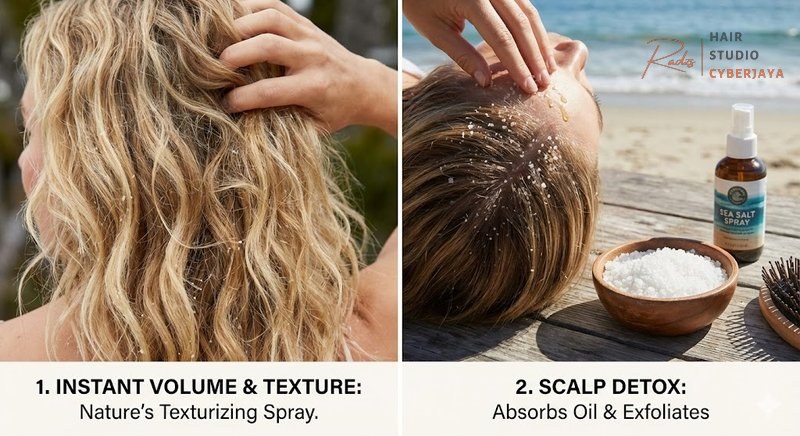
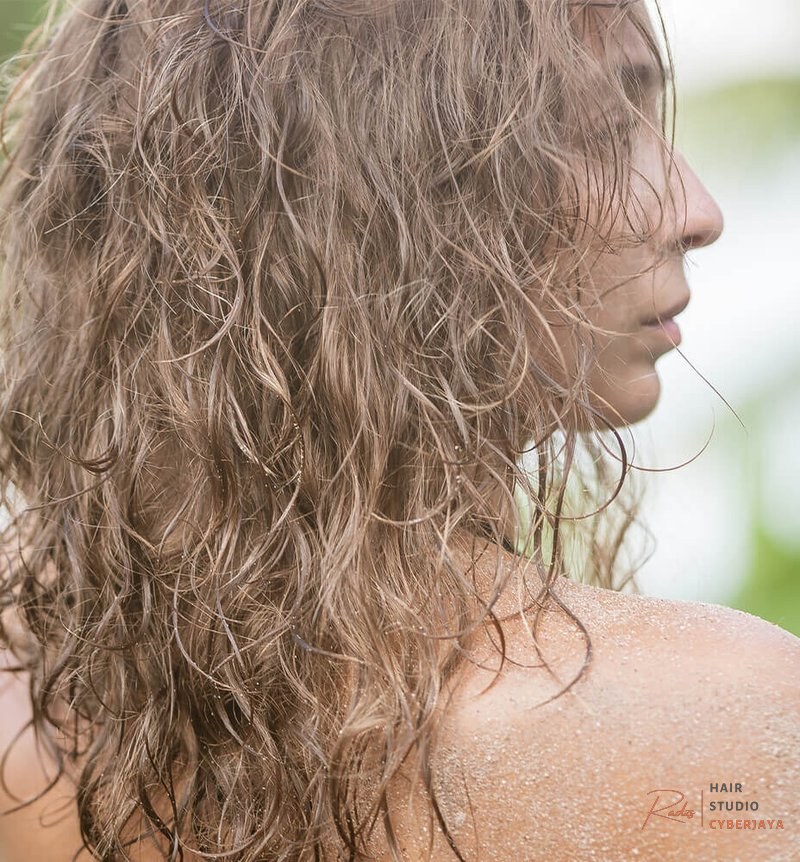
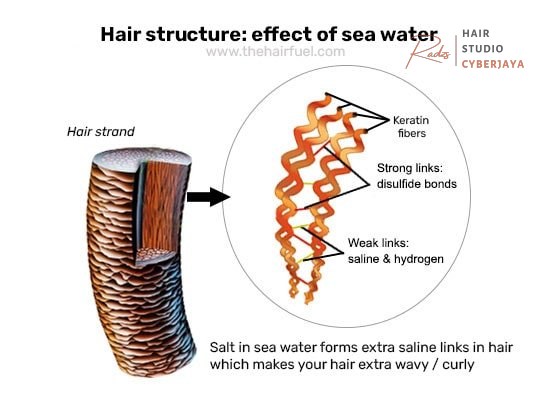
Ocean water, naturally rich in minerals and electrolytes, interacts with your hair in several ways. The most noticeable effect is often the enhanced texture and volume it imparts, giving you that coveted “beach hair” look. This happens because salt crystals adhere to the hair shaft, expanding its diameter and creating friction between strands, which leads to increased body and waves. This is why many people wonder, “is ocean water good for your hair?” when they see these immediate styling benefits.
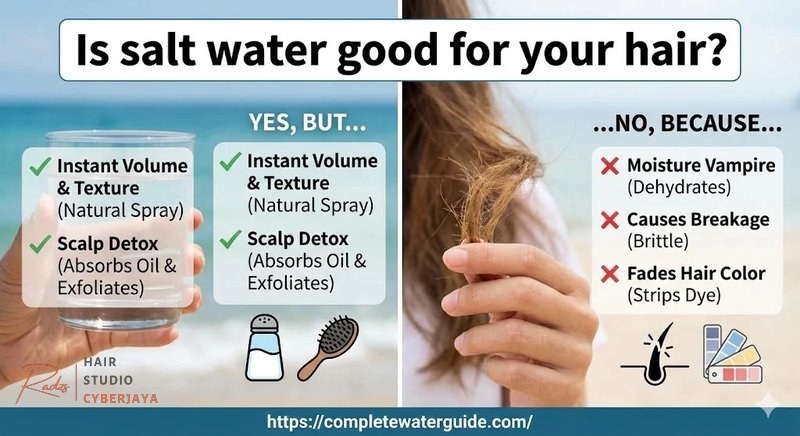
However, the dehydrating nature of salt is a double-edged sword. While it can temporarily absorb excess oil from the scalp, offering a cleansing effect, prolonged exposure can strip your hair of its natural moisture. This can lead to dryness, frizz, and even breakage, especially for those with already dry or damaged hair. Understanding this balance is key to harnessing the positive aspects of salty water for hair without succumbing to its potential downsides.
The Benefits of Salt Water for Your Hair
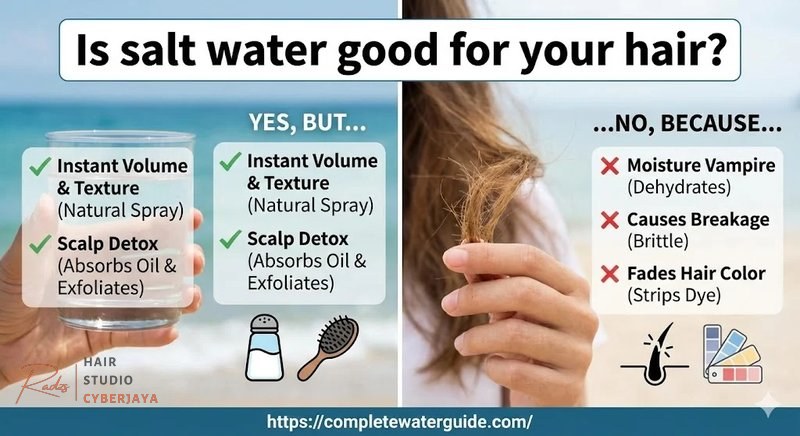
While the drying effects are a concern, there are definite advantages to using salt water on your hair, especially in moderation. Many find that a quick dip in the ocean or the use of a sea salt spray can significantly enhance their hair’s natural texture. This creates natural-looking waves and adds a boost of volume, making it a popular choice for those seeking a more carefree style. The ability of salt water to create these effects is a major reason why some believe “salt water is good for hair.”
Beyond styling, salt water can also offer a purifying effect for your scalp. It helps to absorb excess sebum and product buildup, leaving your scalp feeling cleaner and refreshed. For those prone to oily scalps, this can be a welcome benefit, potentially reducing the frequency of washes. Furthermore, the minerals found in sea water, such as magnesium, calcium, and potassium, are believed by some to contribute to overall scalp health, providing essential nutrients that can stimulate circulation and promote a healthy environment for hair growth. This contributes to the idea that “is sea water healthy for hair” can have a positive answer for many.
The Downsides of Salt Water for Your Hair
Despite its perceived benefits, extensive exposure to salt water can pose significant challenges for your hair health. The primary concern revolves around its dehydrating properties. Salt is a desiccant, meaning it draws moisture out of wherever it comes into contact. When applied to hair, it can strip away the natural oils that are crucial for maintaining softness, shine, and elasticity. This leads to dry, brittle hair that is more susceptible to damage and breakage, making the question “what does salt water do to your hair” a complex one.
If your hair is already dry, color-treated, or chemically processed, the effects can be even more pronounced. Salt water can exacerbate existing dryness, fade hair color, and make processed hair feel rough and unmanageable. It can also cause cuticles to lift, leading to increased frizz and tangles, and leave behind a residue that makes hair feel stiff and crunchy. For these reasons, many wonder “is salt good for your hair” when experiencing these negative impacts.
Protecting Your Hair From Salty Water
If you love the beach or swimming in saltwater pools, you don’t have to completely avoid the fun. With the right precautions, you can minimize the negative effects of salty water for hair and keep your locks healthy. Before heading into the water, wet your hair thoroughly with fresh tap water. Your hair acts like a sponge; if it’s already saturated with fresh water, it will absorb less salt water. This simple step can make a big difference in preventing excessive drying.
Applying a leave-in conditioner or a few drops of hair oil before swimming creates a protective barrier around your hair strands. This barrier helps to seal the cuticle, locking in moisture and reducing the amount of salt that can penetrate and cause damage. After your swim, rinse your hair immediately with fresh water. The sooner you remove the salt residue, the better your hair will fare. Following up with a moisturizing shampoo and conditioner will replenish any lost hydration and help restore your hair’s natural balance. Consider using a deep conditioning treatment once a week if you frequently expose your hair to salt water.
Using Salt Water for Hair Care Safely
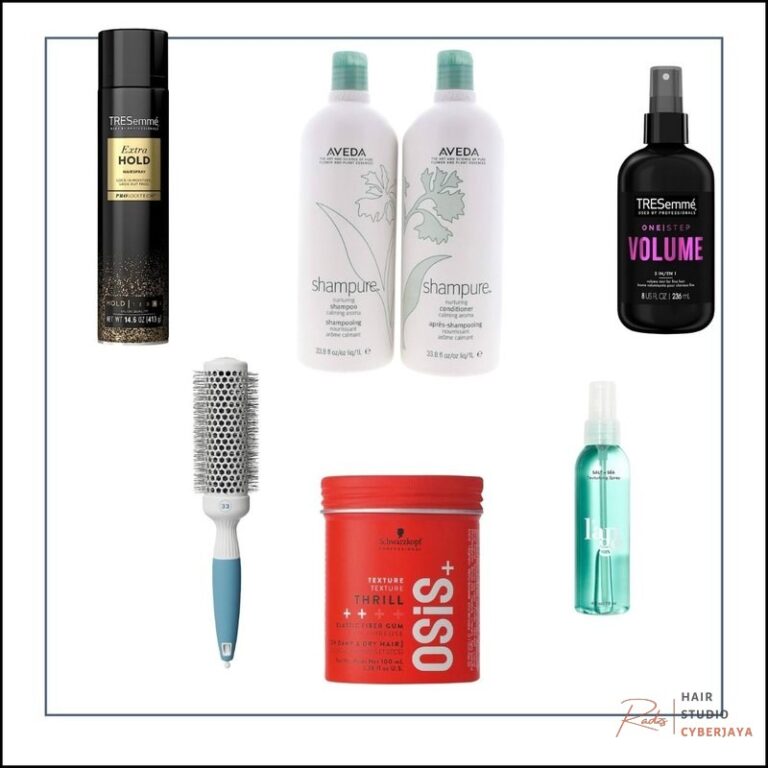
For those who love the textured look salt water provides but want to avoid ocean exposure, commercial sea salt sprays can be a great alternative. These sprays typically contain a lower concentration of salt compared to the ocean and often include conditioning ingredients to counteract dryness. When choosing a product, look for ones that also contain hydrating elements like argan oil, jojoba oil, or aloe vera to help maintain moisture balance. These products allow you to get that “is salty water good for hair” texture without the harsher effects of natural sea water.
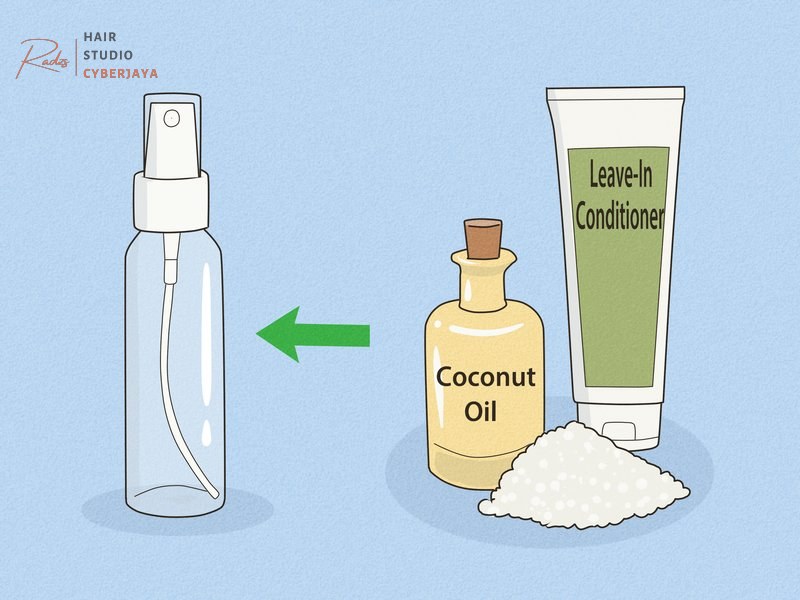
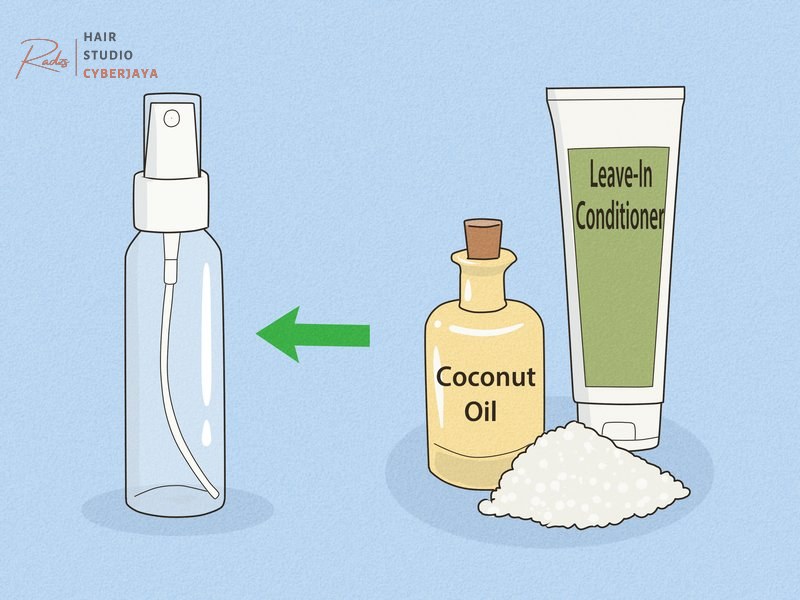
If you’re making your own DIY sea salt spray, be mindful of the salt concentration. A common recipe involves mixing one teaspoon of sea salt with one cup of warm water, along with a few drops of leave-in conditioner or hair oil. Always do a patch test first to see how your hair reacts. Use these sprays sparingly, perhaps a few times a week, rather than daily, to prevent over-drying. Listen to your hair; if it starts to feel dry or brittle, reduce usage and increase moisturizing treatments. The skilled stylists at Radzs Hair Studio Cyberjaya can also recommend personalized hair care routines and products to ensure your hair remains healthy and vibrant, even with occasional salt water exposure.
Comparing Ocean Water and Salt Water Spray for Hair
When considering the effects of salt on your hair, it’s important to distinguish between natural ocean water and manufactured salt water sprays. While both contain salt, their compositions and impacts can differ significantly.
| Feature | Ocean Water | Salt Water Spray (Commercial/DIY) |
|---|---|---|
| Salt Concentration | Naturally high and variable, contains various minerals. | Controlled, usually lower than ocean water. Often includes other ingredients. |
| Other Ingredients | Natural minerals, micro-organisms, pollutants (depending on location). | Water, conditioning agents, oils, fragrances, preservatives. |
| Drying Effect | Potentially severe due to high salt content and prolonged exposure. | Less severe if formulated with hydrating ingredients and used sparingly. |
| Texture Enhancement | Strong, can create defined waves and volume. | Good for creating beachy waves and volume, often with less stiffness. |
| Scalp Impact | Can cleanse but may also irritate sensitive scalps due to high salt. | Can absorb oil; specific ingredients may soothe or stimulate scalp. |
| Control | None over composition or exposure time. | Full control over application, frequency, and ingredient choice. |
| Recommended Use | Occasional, with protective measures. | Regularly for styling, but monitor for dryness. |
Understanding Your Hair Type and Salt Water Exposure
The impact of salt water on your hair is highly dependent on your individual hair type and current condition. Different hair types react distinctively to salt, making personalized care essential. For example, if you have naturally oily hair, a bit of salt water might actually be beneficial. The salt can help to absorb excess sebum, giving your hair a cleaner, less greasy feel and adding some much-needed volume. This is where the idea “is salt water good for your hair” often originates for those with oilier scalps.
However, if your hair is naturally dry, fine, or prone to frizz, you need to exercise more caution. Salt water will likely strip away essential moisture, exacerbating dryness and potentially leading to breakage and split ends. Similarly, color-treated or chemically processed hair (like permed or relaxed hair) is more vulnerable to salt damage. The outer cuticle of such hair is often compromised, making it easier for salt to penetrate and cause dryness, fading, or even irreversible damage. Understanding these nuances is crucial when considering whether “is sea water good for your hair” applies to you.
How to Recover Hair from Salt Water Damage
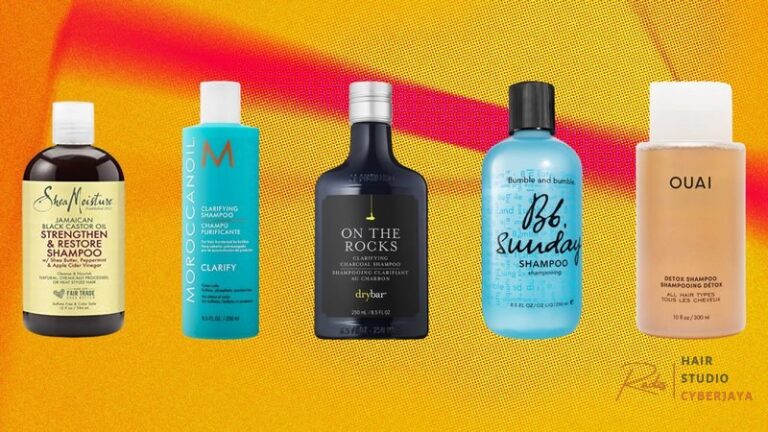
If your hair has already been exposed to salt water and feels dry or damaged, there are several steps you can take to restore its health. The key is to replenish moisture and strengthen the hair shaft. Start with a clarifying shampoo to remove any salt residue, followed by a deeply hydrating conditioner. Look for ingredients like hyaluronic acid, shea butter, argan oil, or glycerin, which are excellent for moisture retention.
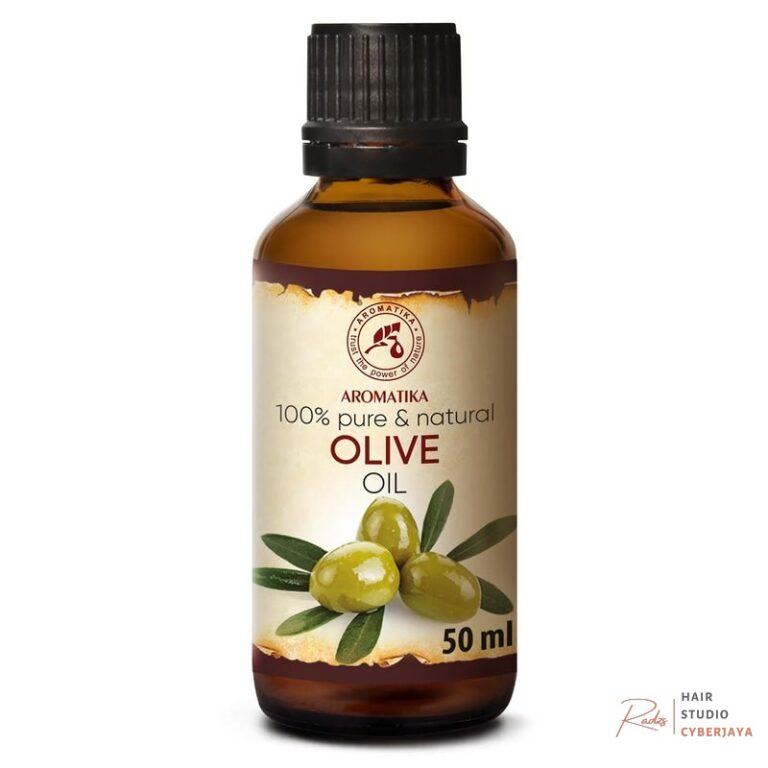
Regular deep conditioning treatments are vital. Apply a hair mask once or twice a week, leaving it on for at least 15-20 minutes, or even overnight for intense hydration. Hot oil treatments can also be very effective; warm up natural oils like coconut, olive, or jojoba oil and apply them to your hair and scalp before washing. Incorporating leave-in conditioners and hair serums into your daily routine can provide continuous moisture and protection, helping to prevent further damage. If the damage is severe, consider getting a professional hair treatment at Radzs Hair Studio Cyberjaya to truly rejuvenate your locks.
Frequently Asked Questions About Salt Water and Hair
Does salt water cause hair loss?
While salt water can lead to dryness and breakage, it does not directly cause hair loss from the scalp. However, severely damaged hair that becomes brittle and breaks easily might give the appearance of thinning. Maintaining good hair hydration is crucial.
Can salt water help grow your hair?
Some believe that the minerals in sea water can stimulate scalp circulation, potentially aiding hair growth. However, there’s no definitive scientific evidence that salt water directly promotes hair growth. Over-exposure can cause dryness, which is counterproductive to healthy growth.
Is sea water better for hair than chlorinated pool water?
Both sea water and chlorinated pool water can be drying. Sea water primarily causes dehydration, while chlorine can also strip natural oils and cause color fading. Both require protective measures and thorough rinsing to minimize damage.
How often can I use sea salt spray on my hair?
It depends on your hair type and the product. For most, using a sea salt spray a few times a week is fine. If your hair starts feeling dry or stiff, reduce frequency and ensure you’re using moisturizing conditioners regularly.
Final Thoughts on Is Salt Water Good for Your Hair
Ultimately, the question of “is salt water good for your hair” comes with a nuanced answer. While ocean water for hair can impart enviable texture and volume, giving you those perfect beachy waves, its dehydrating nature poses a risk, especially for dry, color-treated, or chemically processed hair. Understanding these pros and cons is essential for anyone considering regular exposure to salty water for hair. By taking preventative measures like wetting your hair with fresh water, applying protective conditioners, and rinsing thoroughly afterwards, you can enjoy the ocean without severe damage. For those seeking the aesthetic benefits without the potential drawbacks, a good quality sea salt spray can offer a controlled alternative.
At Radzs Hair Studio Cyberjaya, we are dedicated to helping you achieve and maintain healthy, beautiful hair. Whether you’re battling the effects of salt water exposure or simply seeking advice on managing your unique hair type, our expert stylists are here to guide you. For personalized recommendations and professional treatments to keep your hair looking its best, we invite you to visit us and discover how to truly make your hair thrive. Explore more tips and services to ensure your hair remains vibrant and healthy by visiting our insights on is salt water good for your hair.