

To effectively detangle curly hair, you should always start with wet, conditioned hair, use your fingers or a wide-tooth comb, and work in small sections from ends to roots to minimize breakage and preserve your natural curl pattern. Curly hair is beautiful, but its unique structure makes it more prone to tangles and knots. Proper detangling isn’t just about removing knots; it’s about maintaining the health and integrity of your curls. At Radzs Hair Studio Cyberjaya, we understand the challenges curly-haired individuals face, and we’re here to guide you through the best techniques to ensure your hair stays gorgeous and manageable. Learning how should you detangle curly hair correctly will transform your wash day routine and keep your locks thriving.
Prepare Your Curls for a Gentle Detangling Session
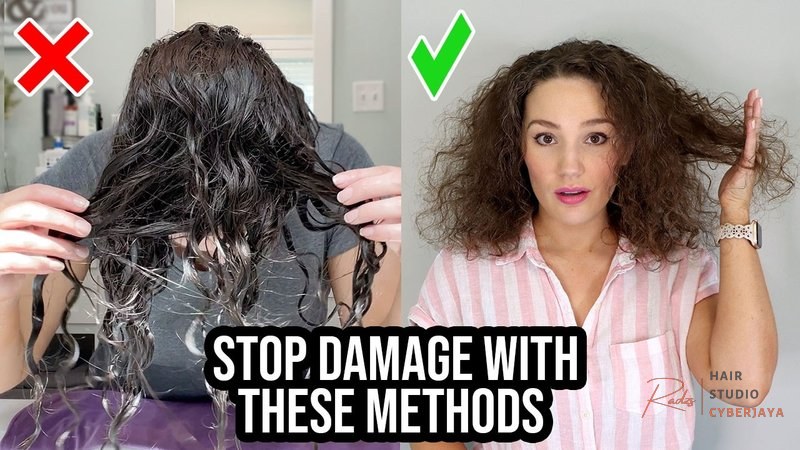
Before you even think about reaching for a comb, proper preparation is key to a pain-free detangling experience. The goal is to create as much slip as possible, allowing knots to glide out easily without causing damage. This initial phase sets the foundation for healthy detangling and prevents unnecessary pulling or breakage. Neglecting this step often leads to frustration and potential hair loss, especially for those with tightly coiled or easily matted curls.
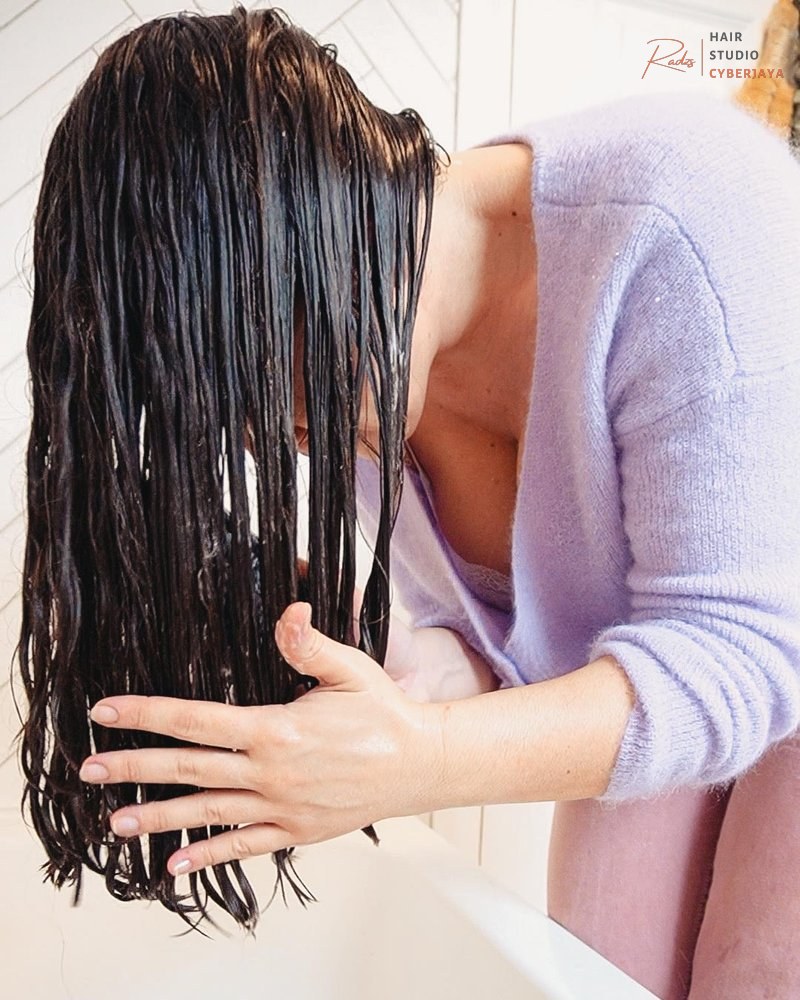
Starting with clean hair is often recommended, as dirt and product buildup can make tangles worse. Wash your hair thoroughly with a sulfate-free shampoo to cleanse without stripping natural oils. Following up with a generous amount of conditioner is crucial. The right conditioner provides the necessary lubrication, softening your curls and making them more pliable. Don’t be shy with the product; a well-saturated head of hair is much easier to work with. Remember, never dry detangle curly hair, as this is a recipe for breakage and discomfort.
Choose the Right Products and Tools for Detangling
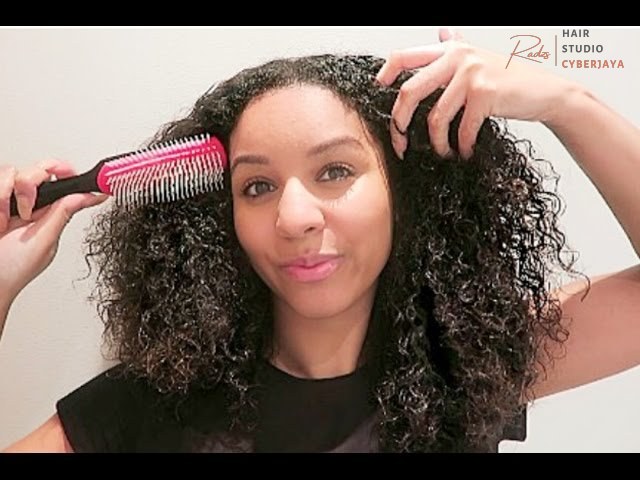
Selecting the appropriate products and tools is paramount to successful curly hair detangling. The wrong brush or insufficient conditioner can turn detangling into a nightmare. For curly hair, gentleness is the name of the game. Look for products specifically formulated for curly hair, rich in moisturizing ingredients like shea butter, argan oil, or coconut oil. These ingredients help to soften the hair cuticle and create the slip needed for easy detangling.
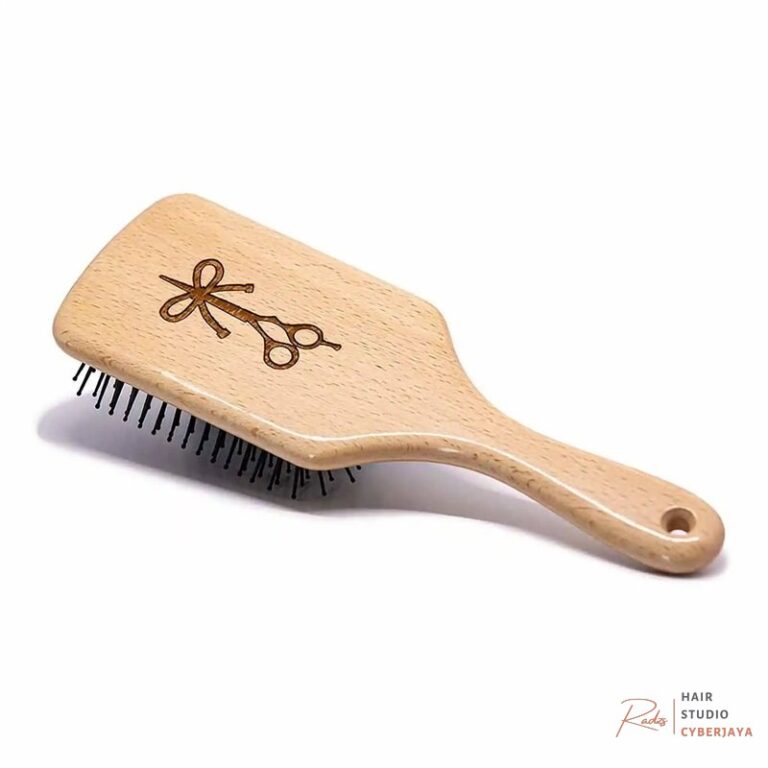
When it comes to tools, your fingers are often your best allies, especially for initial detangling or for very fragile curls. Finger detangling allows you to feel each knot and gently work it out without tension. Following this, a wide-tooth comb or a detangling brush designed for curly hair (like a Denman brush) can be used. These tools have widely spaced bristles or teeth that glide through curls without snagging. Avoid fine-tooth combs at all costs, as they will pull and snap your delicate strands. Ensure your comb or brush is made from a material that won’t create static, which can lead to frizz.
Master the Technique: How to Untangle Curly Hair with Care
Once your hair is prepped and you have your tools ready, it’s time to delve into the actual detangling process. This isn’t a race; it’s a careful, methodical process that requires patience and a gentle touch. Rushing through it will only cause pain and damage. Understanding how to untangle curly hair correctly can significantly reduce hair loss and promote healthier growth. It’s important to remember that curly hair is fragile when wet, so handle it with the utmost care.
Always work in small sections. This makes the task much more manageable and ensures that you thoroughly detangle every part of your hair. Start from the ends and gradually work your way up to the roots. This prevents pushing tangles further down the hair shaft, which only creates bigger, more stubborn knots. If you encounter resistance, don’t rip or pull. Instead, apply more conditioner or a detangling spray to that section, let it sit for a moment, and then try again with even more gentle strokes. This methodical approach ensures minimum breakage and maximum preservation of your curl pattern.
Section Your Hair and Detangle Gradually
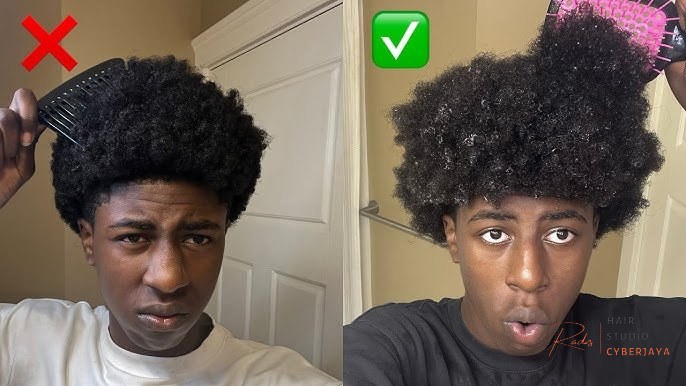
Sectioning your hair is arguably one of the most important steps in detangling curly hair efficiently and without pain. Trying to detangle a whole head of curly hair at once is overwhelming and almost impossible. Divide your hair into four to six manageable sections, depending on your hair’s thickness and length. Use hair clips to secure each section, releasing them one by one as you work.
Within each section, take a small subsection and apply more conditioner or detangling product if needed. Begin by gently separating any large knots with your fingers. Once the major tangles are loosened, take your wide-tooth comb or detangling brush and start from the very ends of the hair, gently combing downwards. As you clear tangles from the ends, move slightly higher up the strand. Continue this process until you can smoothly comb from the roots to the ends of that subsection. Once a section is fully detangled, twist it or braid it lightly to prevent it from re-tangling with other sections while you work.
Maintenance and Post-Detangling Care for Lasting Curls
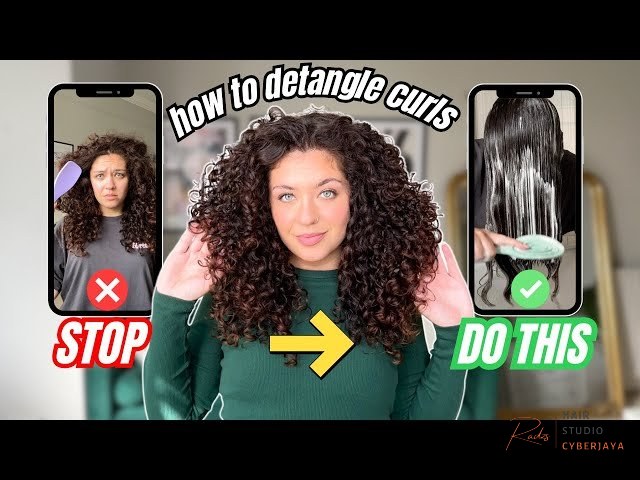
Detangling isn’t a one-time event; it’s an ongoing process that contributes to the overall health and beauty of your curly hair. After you’ve successfully detangled, the way you maintain your curls until the next wash day significantly impacts how easily they will detangle next time. Establishing a consistent hair care routine, including moisturizing and protective styling, will make your detangling sessions much smoother and less time-consuming. Learning how should you detangle curly hair also means understanding how to keep it from getting tangled in the first place.
The frequency of detangling depends on your curl type and lifestyle. Wavy hair (types 2A-2C) might need detangling after every wash, or every two to three days. Looser curls (types 3A-3B) can often go three to five days between detangling sessions. Tighter curls and coils (types 3C-4C) might benefit from weekly detangling or even less frequently, as over-manipulation can lead to breakage. Always listen to your hair and adjust your schedule accordingly. Investing in good quality products for Radzs Hair Studio Cyberjaya’s range will also assist in maintaining beautiful curls.
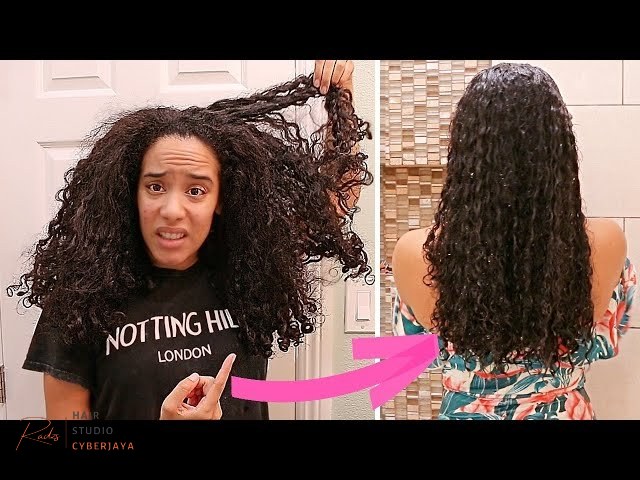
Incorporate Leave-In Conditioners and Protective Styles
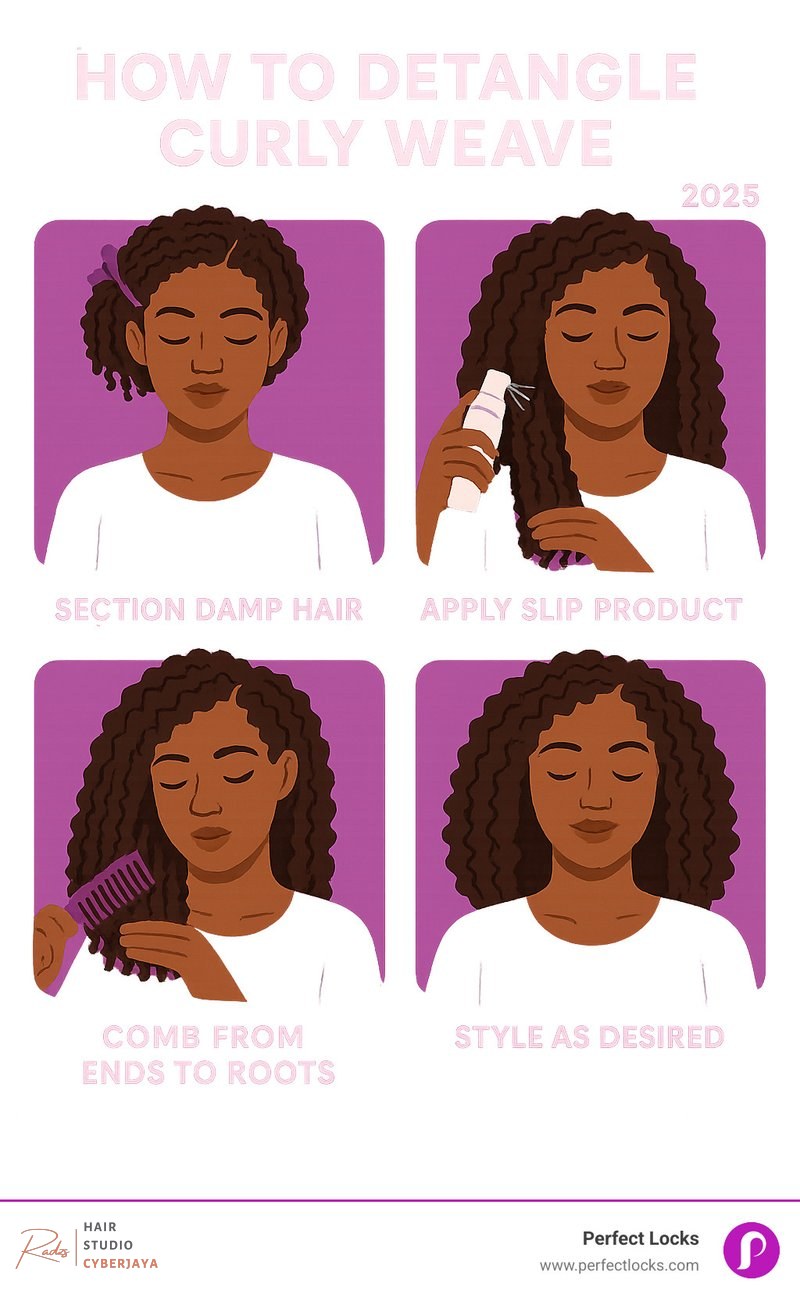
After detangling, nourishing your hair with a leave-in conditioner is a crucial step. Leave-in conditioners provide an extra layer of moisture and protection, sealing the cuticles and keeping your curls soft and manageable. This helps to prevent new tangles from forming as quickly and enhances the overall health and shine of your hair. Apply a generous amount, distributing it evenly through your damp curls, ensuring every strand is coated.
Protective styles are another excellent way to maintain your detangled hair and minimize future tangles. Styles like braids, twists, buns, or pineappling at night can keep your curls from rubbing against fabrics or getting tangled throughout the day and night. Sleeping on a satin or silk pillowcase or wearing a satin bonnet also significantly reduces friction, which is a major cause of tangles and frizz. These simple habits contribute to healthier, easier-to-manage curly hair, making subsequent detangling sessions much less daunting.
| Detangling Method | Benefits | Considerations |
|---|---|---|
| Finger Detangling | Maximum gentleness, ideal for fragile hair, minimizes breakage | Time-consuming, may not fully remove all small knots |
| Wide-Tooth Comb | Efficient for larger sections, good for distributing product | Requires careful technique to avoid pulling, can still cause breakage if rushed |
| Detangling Brush (e.g., Denman) | Excellent for defining curls, effective on damp, conditioned hair | Can be too harsh if used on dry or insufficiently conditioned hair |
| Wet Detangling (with conditioner) | Provides slip, reduces friction, easier to work with | Hair is most fragile when wet, requires gentle handling |
| Dry Detangling | Not recommended for curly hair | Causes significant breakage, pain, and frizz; avoid at all costs |
Common Mistakes to Avoid When Detangling Curly Hair
Detangling curly hair can be a delicate process, and certain practices can do more harm than good. Being aware of these common mistakes will help you avoid unnecessary breakage, pain, and frustration. Many people rush through detangling, treating it like a chore rather than a vital step in their hair care routine. Understanding how to untangle curly hair effectively involves not just knowing what to do, but also what not to do.
One of the biggest mistakes is trying to detangle dry hair. Curly hair is incredibly fragile when dry, and attempting to comb through it without moisture and slip will lead to significant breakage and a lot of pain. Another error is starting from the roots down. This pushes tangles together, creating bigger, more intractable knots. Using the wrong tools, such as fine-tooth combs or stiff brushes, can also severely damage your curls. Finally, neglecting regular trims can exacerbate tangling issues, as split ends tend to snag on each other.
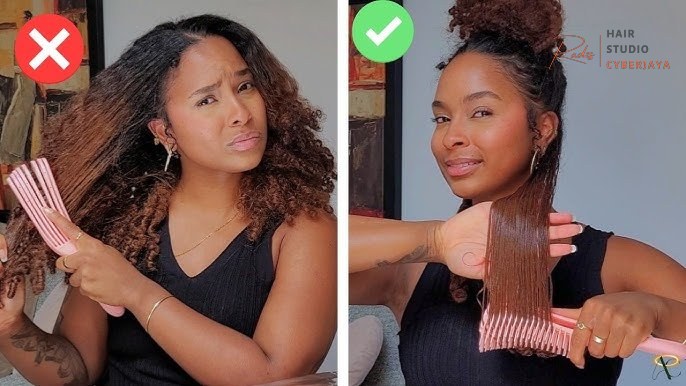
Never Detangle Dry or Unconditioned Hair
This cannot be emphasized enough: never, ever try to detangle curly hair when it is dry. Dry curly hair is stiff and lacks the elasticity needed to stretch and release from tangles. Combing through dry curls will cause them to snap, break, and create frizz. It’s like trying to untie a knot with brute force instead of working it out gently. Even finger detangling on dry hair is ill-advised for most curl types.
The key to successful detangling lies in lubrication. Always ensure your hair is thoroughly wet and generously coated with a moisturizing conditioner or a dedicated detangling product. The conditioner creates “slip,” allowing your fingers or comb to glide through the hair, separating strands and loosening knots without causing friction or tension. Think of it as creating a smooth pathway for your tools to follow. Without this slip, you’re essentially tearing through your hair, which will lead to long-term damage and hinder your hair growth journey.
Frequently Asked Questions About Detangling Curly Hair
Should I detangle curly hair wet or dry?
You should always detangle curly hair when it is wet and saturated with conditioner. Detangling dry curly hair can cause significant breakage, pain, and frizz due to the hair’s fragile state and lack of slip.
What is the best tool to use for detangling curly hair?
The best tools for detangling curly hair are your fingers for initial knot separation, followed by a wide-tooth comb or a detangling brush specifically designed for curly hair, like a Denman brush, to gently work through strands.
How often should you detangle curly hair?
The frequency depends on your curl type and how easily your hair tangles. Wavy hair might need detangling after every wash, while tighter curls and coils might only need it weekly or every two weeks to prevent over-manipulation.
Can detangling curly hair cause hair loss?
Improper detangling, especially on dry or unconditioned hair, can cause breakage and lead to the appearance of hair loss. However, gentle, proper detangling techniques should minimize breakage and not cause excessive hair loss.
What products help with detangling curly hair?
Rich, moisturizing conditioners, leave-in conditioners, and specific detangling sprays are highly effective. Look for products containing ingredients like shea butter, argan oil, or coconut oil to provide excellent slip and hydration.
Final Thoughts on How to Detangle Curly Hair
Mastering how should you detangle curly hair is a game-changer for anyone with beautiful textured locks. By adopting a gentle, patient, and methodical approach, you can transform your wash day experience from a dreaded chore into a peaceful self-care ritual. Remember to always work with wet, conditioned hair, section your curls, and start detangling from the ends, gradually moving up to the roots. Avoiding common mistakes like dry detangling will safeguard your hair from unnecessary breakage and promote its overall health and vitality.
The journey to healthy, thriving curls is an ongoing one, and proper detangling is a cornerstone of that journey. Embrace these techniques, and you’ll notice a significant difference in the strength, shine, and manageability of your hair. For further personalized advice on how you should detangle curly hair, or to explore a range of products suited for your unique curl type, visit us at Radzs Hair Studio Cyberjaya. Our expert stylists are always ready to help you achieve your best hair yet!