
For many women, experiencing hair loss can be distressing, and when it’s linked to a condition like Polycystic Ovary Syndrome (PCOS), it can feel even more overwhelming. PCOS and hair loss are closely connected, with hormonal imbalances often leading to thinning hair and pattern baldness in affected individuals. At Radzs Hair Studio Cyberjaya, we understand these challenges and are dedicated to providing comprehensive information and solutions to help you regain confidence.
This article will delve into the intricate relationship between PCOS and hair loss, shedding light on why it occurs and what steps you can take. We’ll explore the underlying causes, common patterns of hair loss, and various effective treatment options available. Our goal is to empower you with the knowledge needed to manage this symptom effectively and find suitable support.
The hormonal link between PCOS and hair loss
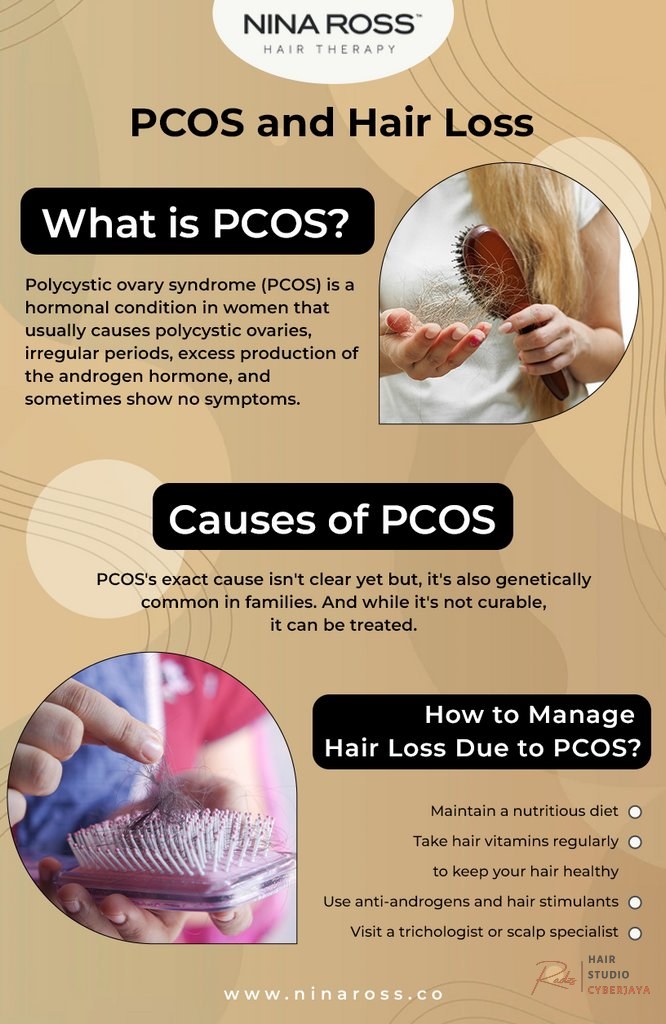
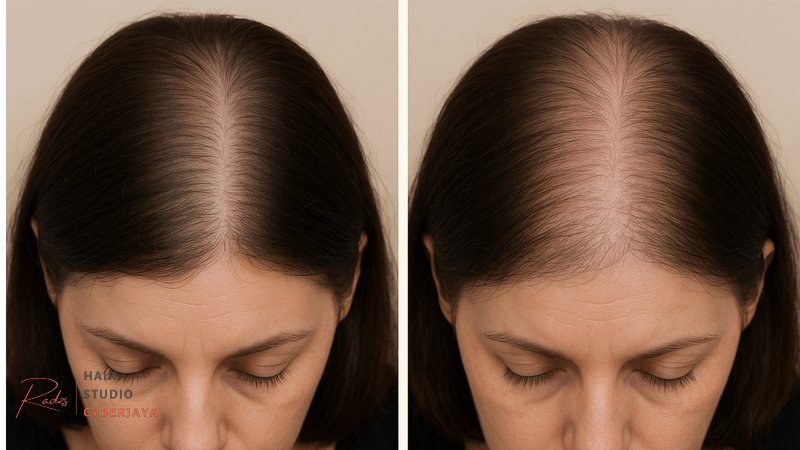
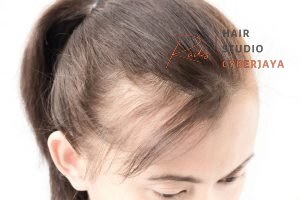
Polycystic Ovary Syndrome (PCOS) is a common hormonal disorder affecting women of reproductive age, characterized by elevated levels of androgens (male hormones), irregular menstrual cycles, and small cysts on the ovaries. One of the most disheartening symptoms of PCOS is hair loss, which often manifests as female-pattern baldness. This type of hair loss is distinctive, typically showing up as thinning around the front and sides of the scalp, as well as a widening of the hair parting.
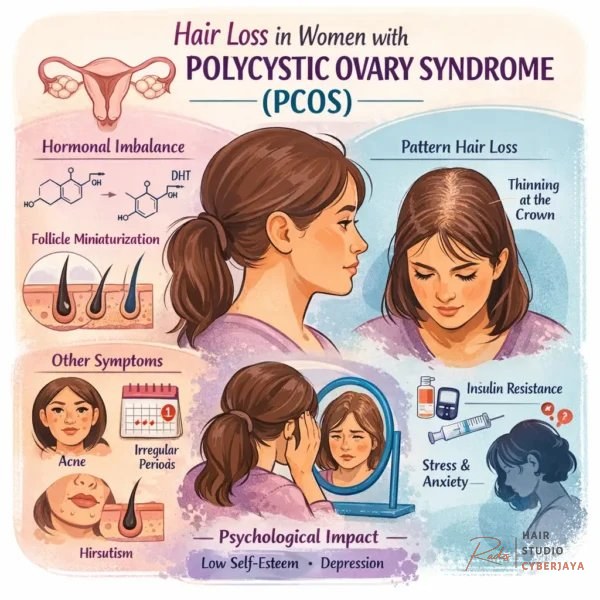
The primary driver behind PCOS-related hair loss is the excess production of androgens, particularly dihydrotestosterone (DHT). While androgens are present in all women, those with PCOS have higher levels, which can miniaturize hair follicles on the scalp. This leads to thinner, finer hair and eventually prevents new hair growth. The impact of these hormones is often visible, leading many women to seek professional advice and solutions.
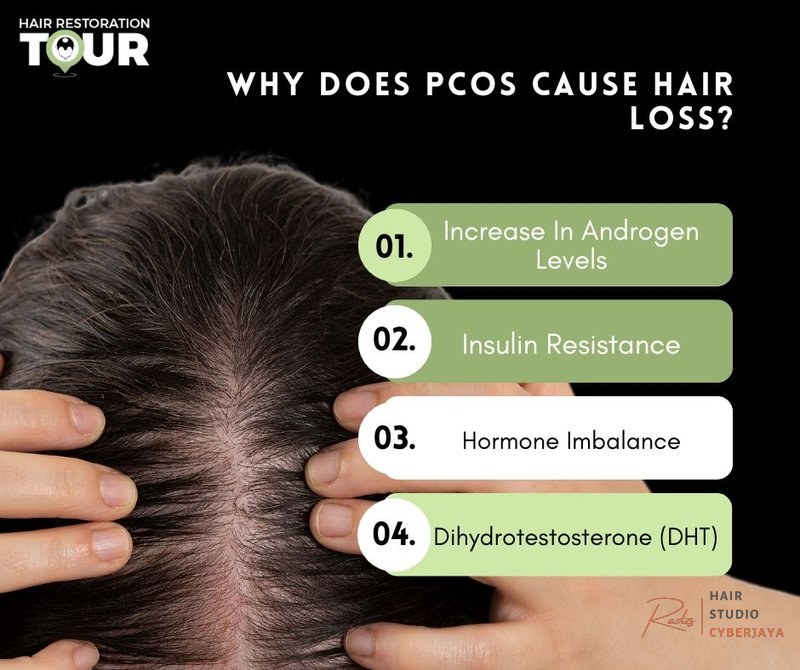
Recognizing the signs of hair loss from PCOS is crucial for early intervention. Beyond general thinning, you might notice your ponytail feeling less substantial or increased hair shedding when brushing or washing. Identifying these symptoms early can help you explore treatment options that can slow down or even reverse the effects of androgenic alopecia associated with PCOS.
Understanding how androgens affect hair follicles
Androgens play a crucial role in hair growth, but their impact varies depending on the body part. On the scalp, high levels of androgens can paradoxically lead to hair loss, particularly in genetically predisposed individuals. These hormones bind to receptors in hair follicles, triggering a process called miniaturization. This causes the hair follicles to shrink, producing progressively finer and shorter hairs until they eventually stop producing hair altogether.
The enzyme 5-alpha reductase converts testosterone into a more potent androgen called dihydrotestosterone (DHT). In women with PCOS, elevated levels of testosterone often mean higher levels of DHT, which is a significant factor in female-pattern hair loss. This hormonal activity is what creates the distinct pattern of thinning often observed, such as a widening part or hair loss around the temples.
It’s important to differentiate PCOS-related hair loss from other forms, as the underlying cause dictates the most effective treatment approach. While stress or nutritional deficiencies can also cause hair shedding, PCOS hair loss has a specific hormonal basis. Therefore, any effective PCOS hair loss treatment must address these hormonal imbalances to achieve sustainable results.
Common patterns and signs of PCOS hair loss
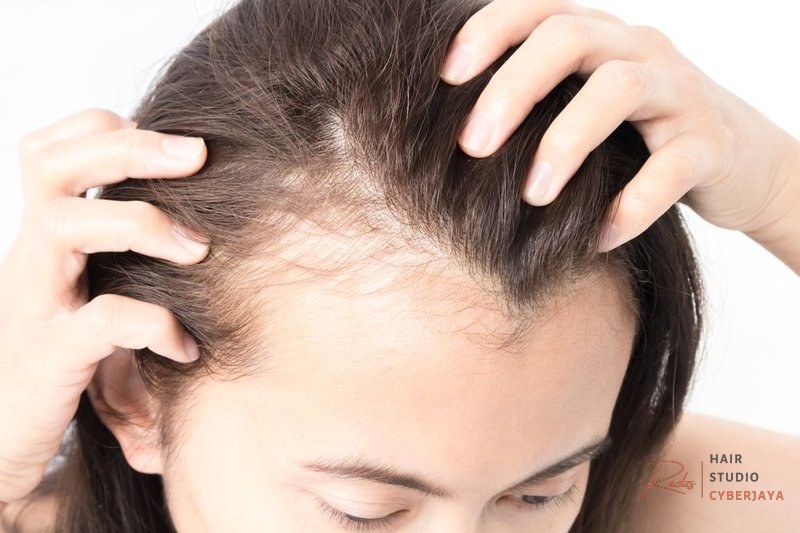
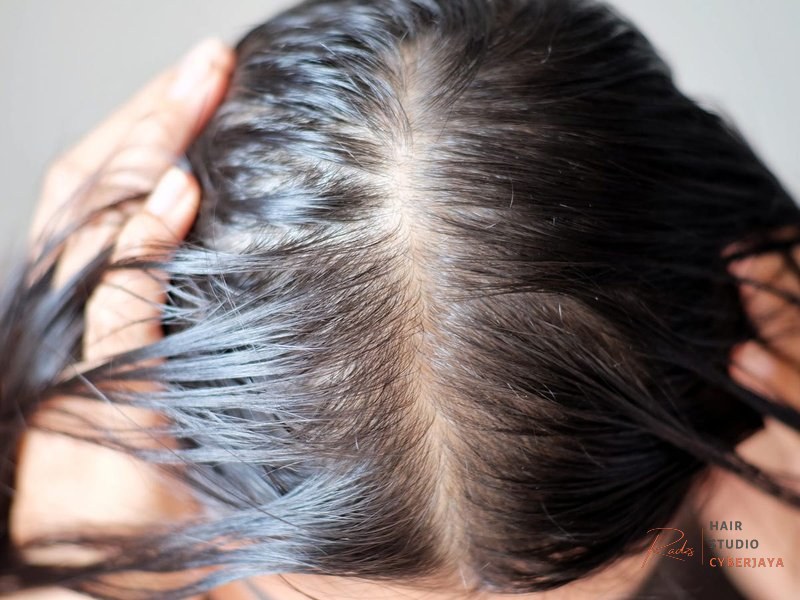
PCOS hair loss typically follows a distinct pattern known as female-pattern hair loss or androgenetic alopecia. Unlike male-pattern baldness, which often features a receding hairline and bald spots, women with PCOS usually experience diffuse thinning across the scalp. The most noticeable sign is often a widening of the part line, making the scalp more visible.
You might also observe increased shedding during brushing or washing, and the overall volume of your hair may feel significantly reduced. The hair may become finer and weaker over time, making it more prone to breakage. This type of hair loss can be particularly distressing because it affects the entire top of the head rather than specific patches, making it harder to conceal.
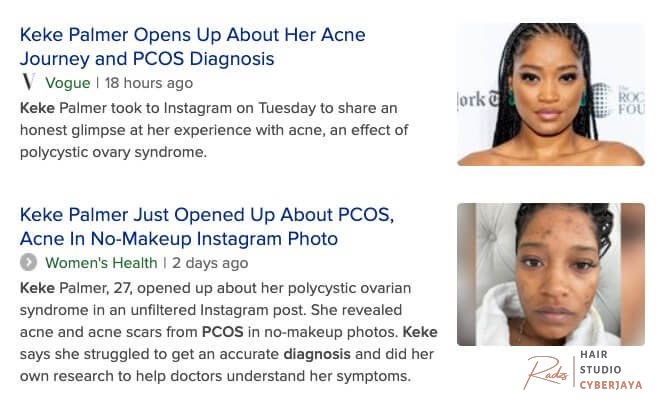
Other accompanying symptoms of PCOS, such as hirsutism (excessive body hair growth), acne, and irregular periods, often coexist with hair loss. If you notice these symptoms in conjunction with hair thinning, it’s a strong indicator that PCOS might be the underlying cause. Consulting with a healthcare professional is essential for accurate diagnosis and to determine how to stop PCOS hair loss effectively.
Effective PCOS hair loss treatment options
Dealing with PCOS hair loss can be challenging, but there are several effective treatment options available to help manage and even reverse the thinning. The most successful approaches typically involve a combination of medical treatments, lifestyle adjustments, and targeted hair care. The goal is often to address the underlying hormonal imbalances while also stimulating hair regrowth.
At Radzs Hair Studio Cyberjaya, we believe in a holistic approach to hair health, recognizing that systemic issues like PCOS require comprehensive care. Working with healthcare providers to manage your PCOS medically is crucial, as this forms the foundation for any hair loss treatment. We can also provide complementary treatments and advice to support your hair journey.
Effective PCOS hair loss treatment often involves a multi-pronged strategy. This includes prescription medications that target androgen levels, topical treatments to stimulate follicle activity, and nutritional supplements that address deficiencies. Combining these methods can provide the best chance for significant hair regrowth and improved hair quality.
Medical treatments to stop PCOS hair loss
One of the primary medical approaches to stop PCOS hair loss involves managing the hormonal imbalances that cause it. Anti-androgen medications, such as spironolactone, can help block the effects of androgens on hair follicles. These medications work by reducing the production of male hormones or by preventing them from binding to receptors, thereby slowing down hair miniaturization.
Oral contraceptives, particularly those with anti-androgenic properties, are also frequently prescribed. They help regulate menstrual cycles and reduce androgen levels, which can significantly improve hair thinning. It’s important to consult with a doctor to determine the most suitable medication for your specific condition, as these treatments require medical supervision.
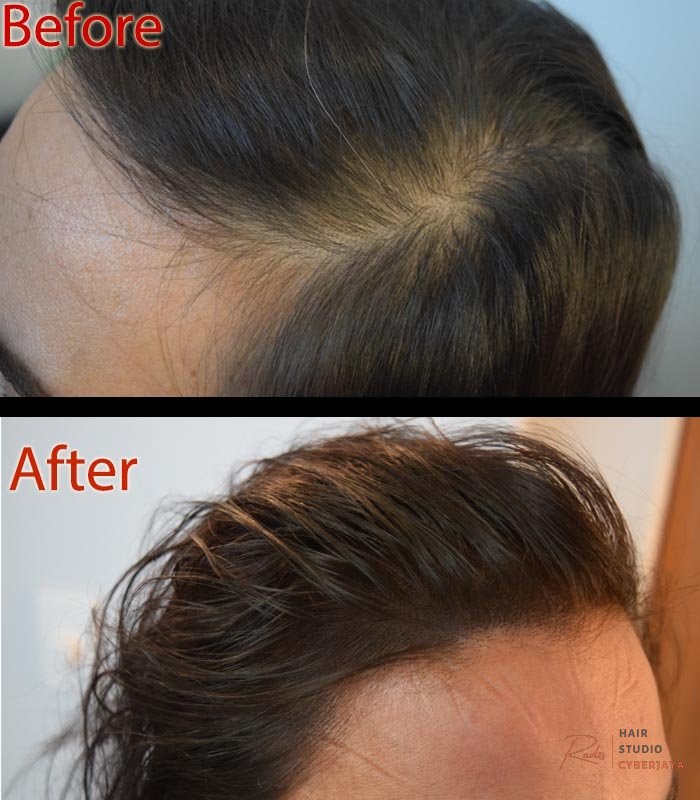
Another common treatment is minoxidil, a topical solution that can stimulate hair growth and prevent further loss. While minoxidil doesn’t address the underlying hormonal cause, it is highly effective in promoting follicular activity. It’s often used in conjunction with other treatments to maximize results, helping to strengthen existing hair and encourage new growth.
Lifestyle adjustments for managing hair loss
While medical treatments are vital, lifestyle adjustments play a significant role in managing PCOS and hair loss. Diet and exercise are powerful tools for improving overall health and can directly impact hormone levels. A balanced diet, rich in whole foods, lean proteins, and healthy fats, can help regulate insulin resistance, a common issue in PCOS that can exacerbate androgen production.
Regular physical activity also helps in weight management and improves insulin sensitivity, indirectly contributing to hormone balance. Additionally, managing stress through practices like yoga, meditation, or adequate sleep can reduce cortisol levels, another hormone that can influence androgen production. These changes create a more favorable environment for hair growth and overall well-being.
Nutritional supplements can also be beneficial. Many women with PCOS have deficiencies in vitamins and minerals like zinc, iron, and biotin, which are essential for healthy hair growth. Supplementing with these can support hair health, though it’s always best to consult a healthcare professional before starting any new supplements to ensure they are appropriate for your specific needs.
Advanced treatments and procedures for hair restoration
For individuals seeking more advanced solutions for PCOS hair loss, several innovative treatments and procedures are available. These options can be particularly helpful for those who have not seen sufficient results from conventional methods or have significant hair thinning. One such advanced treatment is Platelet-Rich Plasma (PRP) therapy, which involves injecting a concentration of your own platelets into the scalp.
PRP contains growth factors that can stimulate hair follicles, promoting new hair growth and increasing hair density. This procedure is performed in-clinic and often requires multiple sessions to achieve optimal results. It’s a promising option for many, as it utilizes the body’s natural healing mechanisms to restore hair.
Another option for more severe cases of hair loss is hair transplantation. This surgical procedure involves moving healthy hair follicles from one part of the scalp (donor area) to areas of thinning or baldness. While hair transplantation does not address the underlying PCOS, it can effectively restore hair density and provide a natural-looking result for those with significant hair loss.
For those looking for non-surgical cosmetic solutions, scalp micropigmentation can be an excellent choice. This procedure involves tattooing tiny dots onto the scalp to mimic the appearance of hair follicles, creating an illusion of fuller, denser hair. It’s a great option for adding density to thinning areas and can significantly boost confidence.
Prevention and long-term management of PCOS hair loss
Preventing further hair loss and managing PCOS effectively long-term requires a consistent and proactive approach. While reversing existing hair loss can be challenging, focusing on prevention and maintaining hormonal balance is key. Regular monitoring by healthcare professionals is crucial to track your progress and adjust treatments as needed.
A consistent routine of prescribed medications, dietary changes, and stress management will significantly impact your hair health. Furthermore, ongoing research into PCOS offers new insights and treatment options, so staying informed and discussing these with your doctor is beneficial. The goal is to create a sustainable plan that supports both your overall health and hair growth.
At Radzs Hair Studio Cyberjaya, we believe that understanding your condition and taking proactive steps can make a significant difference in managing PCOS and its impact on your hair. Our team is here to support you with expert advice and hair care solutions that complement your medical treatment. We are committed to helping you achieve and maintain healthy, beautiful hair.
Building a comprehensive hair care routine
Developing a targeted hair care routine is essential for managing PCOS hair loss. Start by using gentle, sulfate-free shampoos and conditioners that won’t strip your hair of natural oils or irritate your scalp. Look for products that promote scalp health and strengthen hair follicles. Avoid harsh chemical treatments, excessive heat styling, and tight hairstyles that can put stress on your hair.
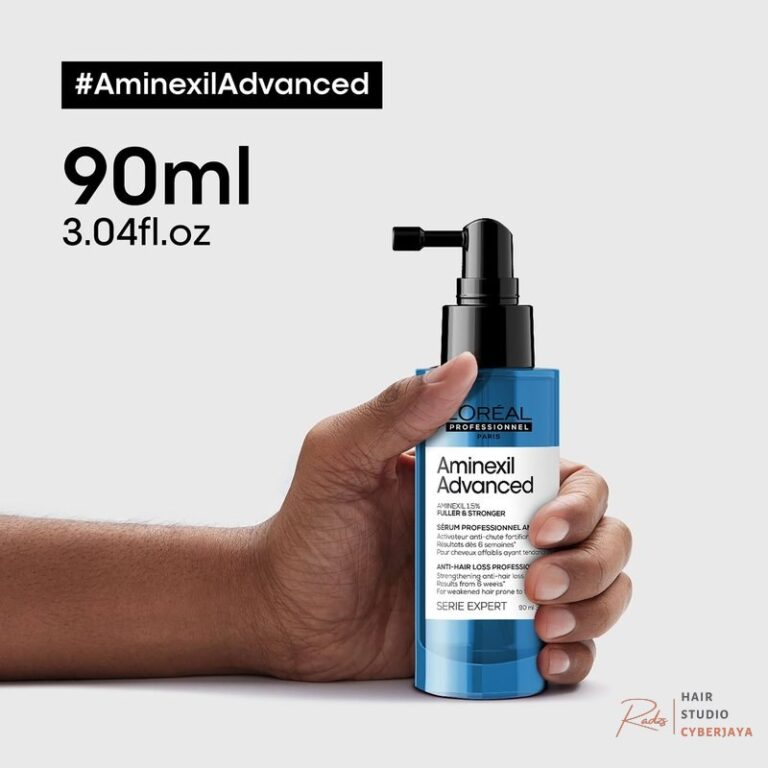
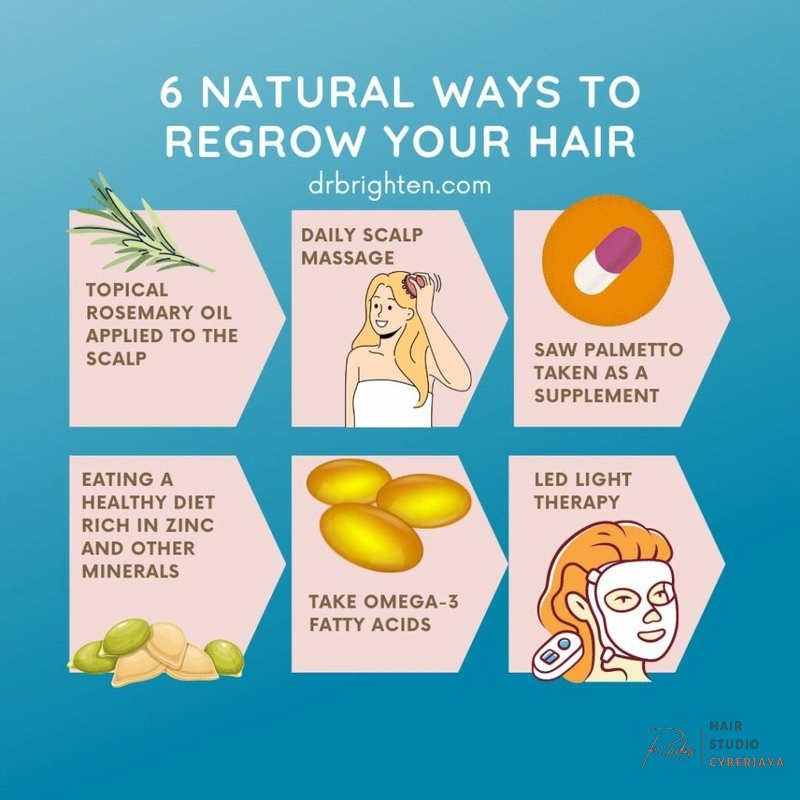
Consider incorporating scalp massages into your routine, which can help increase blood circulation to the hair follicles and promote growth. Specialized serums and topical treatments containing ingredients like caffeine, biotin, or saw palmetto can also support hair health. These ingredients are known for their ability to stimulate follicles and reduce hair shedding.
Regular trims can help remove split ends and maintain overall hair health, even if you’re trying to grow your hair out. Protecting your hair from environmental damage, such as sun exposure, is also important. A good hair care routine, combined with medical treatment, forms a powerful strategy to combat PCOS hair loss effectively.
The role of nutrition and supplements
Nutrition plays a pivotal role in managing PCOS and can directly influence hair health. A diet that stabilizes blood sugar and reduces insulin resistance is crucial, as high insulin levels can contribute to elevated androgen production. Focus on low-glycemic foods, lean proteins, healthy fats, and plenty of fiber from fruits and vegetables. Limiting processed foods, refined sugars, and excessive carbohydrates can make a significant difference.
Certain supplements can also support hair growth and address common deficiencies in women with PCOS. Zinc deficiency is frequently observed in PCOS patients and can contribute to hair loss; zinc supplementation may help. Iron is essential for hair growth, so if you have iron deficiency anemia, correcting it can improve hair health. Biotin, vitamin D, and omega-3 fatty acids are also beneficial for overall hair vitality.
However, it is vital to consult with a healthcare professional or a registered dietitian before starting any new supplement regimen. They can help identify specific deficiencies through testing and recommend appropriate dosages, ensuring that supplements are integrated safely and effectively into your overall PCOS management plan.
Regular monitoring and professional support
Long-term management of PCOS hair loss requires consistent medical and professional support. Regular check-ups with your endocrinologist or gynecologist are essential to monitor your hormone levels, assess the effectiveness of your current treatments, and make any necessary adjustments. Blood tests can track androgen levels, insulin sensitivity, and nutrient deficiencies, guiding your treatment plan.
Additionally, consulting with a dermatologist specializing in hair loss can provide specialized care. They can offer advanced diagnostic tools and recommend topical treatments or procedures tailored to your specific hair loss pattern. These specialists can also help distinguish PCOS hair loss from other causes, ensuring you receive the most appropriate care.
At Radzs Hair Studio Cyberjaya, we can complement your medical treatment with expert hair care advice and services. We offer consultations to help you choose the best products and styling techniques to minimize damage and promote healthy hair growth. We aim to be a supportive partner in your journey to manage PCOS hair loss and regain your confidence.
Frequently asked questions about PCOS and hair loss
What does PCOS hair loss look like?
PCOS hair loss typically presents as diffuse thinning across the scalp, often most noticeable as a widening of the part line. Unlike male-pattern baldness, it usually doesn’t involve a receding hairline or distinct bald spots, but rather a reduction in overall hair density and finer hair strands.
Can hair loss from PCOS be reversed?
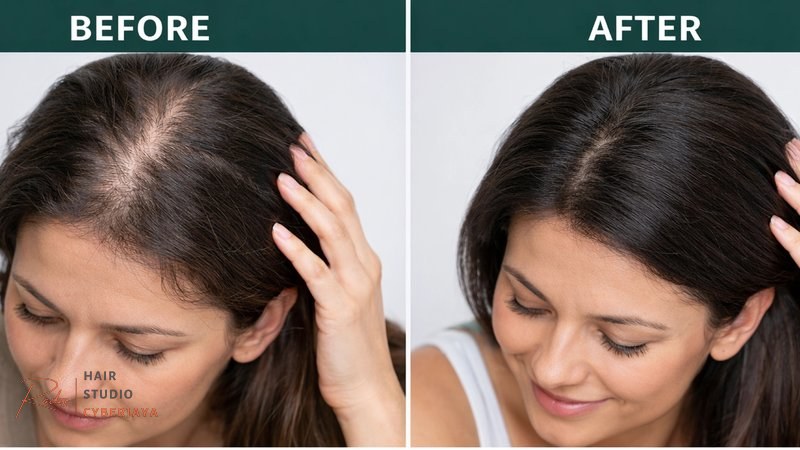
While completely reversing hair loss can be challenging, effective management of PCOS through medication, lifestyle changes, and targeted hair treatments can significantly slow down or even stop further loss and promote some regrowth. Early intervention is key for the best outcomes.
How long does it take for hair to grow back after PCOS treatment?
Hair regrowth after starting PCOS treatment can vary widely among individuals. It often takes several months, typically 3 to 6 months, to notice visible improvements, as hair growth is a slow process. Consistency with treatment and lifestyle changes is crucial for sustainable results.
Are there natural remedies for PCOS hair loss?
Natural remedies can complement medical treatments for PCOS hair loss, but rarely replace them. These include dietary changes, stress management techniques, and certain supplements like zinc, iron, and biotin. Always consult a healthcare professional before relying solely on natural remedies.
What is the best shampoo for PCOS hair loss?
The best shampoos for PCOS hair loss are typically gentle, sulfate-free formulations that promote scalp health and don’t strip natural oils. Look for products containing ingredients like biotin, caffeine, or saw palmetto, which can support hair follicle strength and growth. It’s often best to consult with a dermatologist or hair specialist for personalized recommendations.
Conclusion
Navigating the complexities of PCOS and hair loss can be a challenging journey, but with the right knowledge and support, managing this condition is entirely possible. We’ve explored how hormonal imbalances drive PCOS hair loss, common patterns to watch for, and various treatment options available. From medical interventions like anti-androgens and oral contraceptives to lifestyle adjustments such as diet, exercise, and stress management, a holistic approach is often the most effective.
Understanding these aspects empowers you to take proactive steps towards better hair health and overall well-being. By combining professional medical guidance with a tailored hair care routine, you can significantly impact the progression of hair loss and even stimulate regrowth. We hope this comprehensive guide has provided valuable insights and practical strategies to help you on your journey.
For personalized advice and expert hair care solutions tailored to your specific needs, don’t hesitate to reach out to Radzs Hair Studio Cyberjaya. Our team is dedicated to helping you achieve healthy, beautiful hair and regain your confidence.