

For optimal hair health and to prevent damage, you should aim to dry your hair within 30 minutes to an hour after washing it, though gentle towel drying immediately followed by air drying or low-heat blow-drying is often recommended. Understanding the best practices for drying your hair after a wash is crucial for maintaining its strength, shine, and overall vitality. At Radzs Hair Studio Cyberjaya, we believe that proper hair care extends beyond just washing and conditioning; the drying process plays a significant role in how your hair looks and feels.
Leaving your hair wet for too long can lead to several issues, including increased frizz, bacterial growth on the scalp, and even weakening of the hair shaft. This happens because wet hair is more vulnerable to damage. However, rushing to dry it with excessive heat can be equally detrimental. Finding the right balance is key to achieving salon-worthy results at home.
Understanding why wet hair is more vulnerable to damage

When your hair is wet, its structure changes significantly, making it far more susceptible to damage than when it’s dry. The outer layer of your hair, known as the cuticle, is made up of overlapping cells that resemble shingles on a roof. When wet, these cuticles swell and lift, exposing the delicate inner cortex of the hair strand. This elevated state of the cuticle makes the hair more fragile and prone to breakage, stretching, and frizz.
This increased vulnerability means that rough handling, such as vigorous towel drying or aggressive brushing, can easily lead to physical damage. Furthermore, prolonged wetness can create an ideal environment for yeast and bacteria to thrive on the scalp, potentially leading to issues like dandruff or an itchy scalp. It’s a delicate balance to strike: you want to remove excess water efficiently without causing further stress to your vulnerable strands. Understanding this inherent fragility is the first step in adopting a gentler approach to post-wash hair care.
The science behind hair swelling and cuticle damage
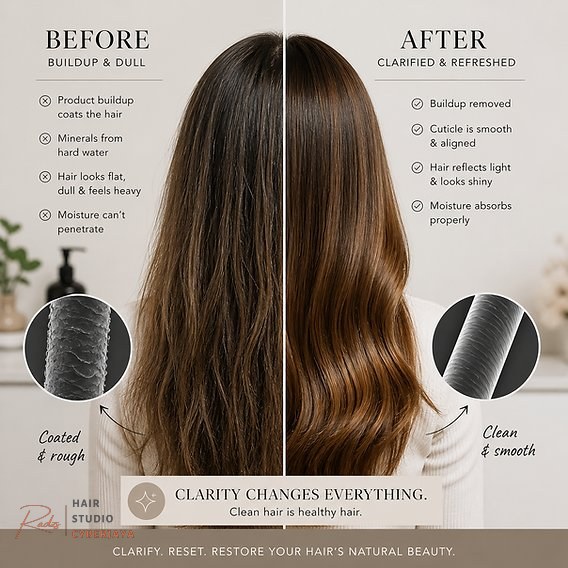
The science behind hair swelling when wet is fascinating and crucial for understanding why your hair is more delicate post-wash. Hair is naturally porous, meaning it has tiny openings that allow water molecules to penetrate its structure. When water enters the hair shaft, it causes the cortex to swell. This swelling forces the cuticles, which normally lie flat, to lift and open up. This “open” state leaves the hair’s internal protein structure, primarily keratin, exposed and less protected.
In this vulnerable state, any friction or heat can cause significant damage. For example, rubbing your hair aggressively with a towel can snag and tear the lifted cuticles, leading to frizz, split ends, and dullness. Similarly, applying high heat from a blow-dryer to soaking wet hair can cause the water inside the hair shaft to boil and expand rapidly, creating tiny bubbles that literally burst within the hair. This phenomenon, known as “bubble hair,” can severely weaken the hair structure, making it brittle and prone to breakage. Gentle handling and controlled drying methods are therefore essential to protect the integrity of your hair.
Risks of leaving hair wet for too long
Leaving your hair wet for an extended period, especially if you tend to air dry naturally, carries several risks that can compromise your hair and scalp health. Firstly, prolonged wetness significantly increases the risk of developing fungal and bacterial infections on the scalp. The warm, moist environment created by wet hair is an ideal breeding ground for conditions like malassezia, which is linked to dandruff, or other bacterial issues that can lead to itching, irritation, and even hair loss in severe cases.
Secondly, wet hair is mechanically weaker and more elastic. This means it can stretch more before breaking. While this might sound good, it actually makes the hair more prone to damage when combed or brushed. The constant stretching and contracting can weaken the hair shaft over time, leading to increased breakage and split ends. Lastly, for many hair types, especially those prone to frizz, air-drying for too long can result in a more unruly, less defined look. The cuticles remain open for longer, allowing more moisture from the air to penetrate and cause frizz. Therefore, it’s important to understand how long after wash hair should you dry it to avoid these common pitfalls.
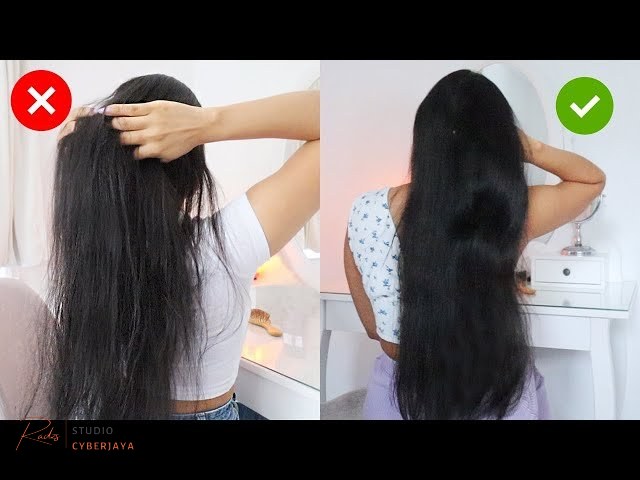
The immediate post-wash drying process
The immediate post-wash drying process is a critical step that sets the foundation for your hair’s health and style. How you treat your hair in these first few minutes can either protect its integrity or inadvertently cause damage. The goal is to remove excess water gently and efficiently, preparing your hair for further styling or natural air drying without stressing the vulnerable strands. This initial phase involves more than just reaching for a towel; it requires a conscious effort to be gentle and thoughtful.
Proper technique can significantly reduce frizz, minimize breakage, and enhance the effectiveness of any styling products you apply afterward. Many common habits, such as vigorously rubbing hair with a standard bath towel, can be surprisingly damaging. Instead, adopting a more delicate approach will ensure your hair remains strong, smooth, and healthy. It’s about being proactive in protecting your hair from the moment it leaves the shower.
Gently patting with a microfiber towel
After washing your hair, the first and most crucial step in the drying process is to gently remove excess water. This is where the choice of towel and your technique make a significant difference. Traditional cotton towels, while absorbent, can be quite harsh on wet hair. Their rough fibers can create friction, snagging the lifted cuticles and leading to frizz and breakage.
Instead, opt for a microfiber towel or an old cotton t-shirt. Microfiber towels are designed with finer, smoother fibers that are ultra-absorbent and create less friction. When using either, avoid vigorous rubbing. Instead, gently squeeze and pat your hair to absorb the water. You can wrap your hair in the towel or t-shirt for a few minutes to allow it to soak up moisture naturally. This gentle approach helps to keep the cuticles smooth, reducing frizz and protecting the hair shaft from unnecessary stress and damage.
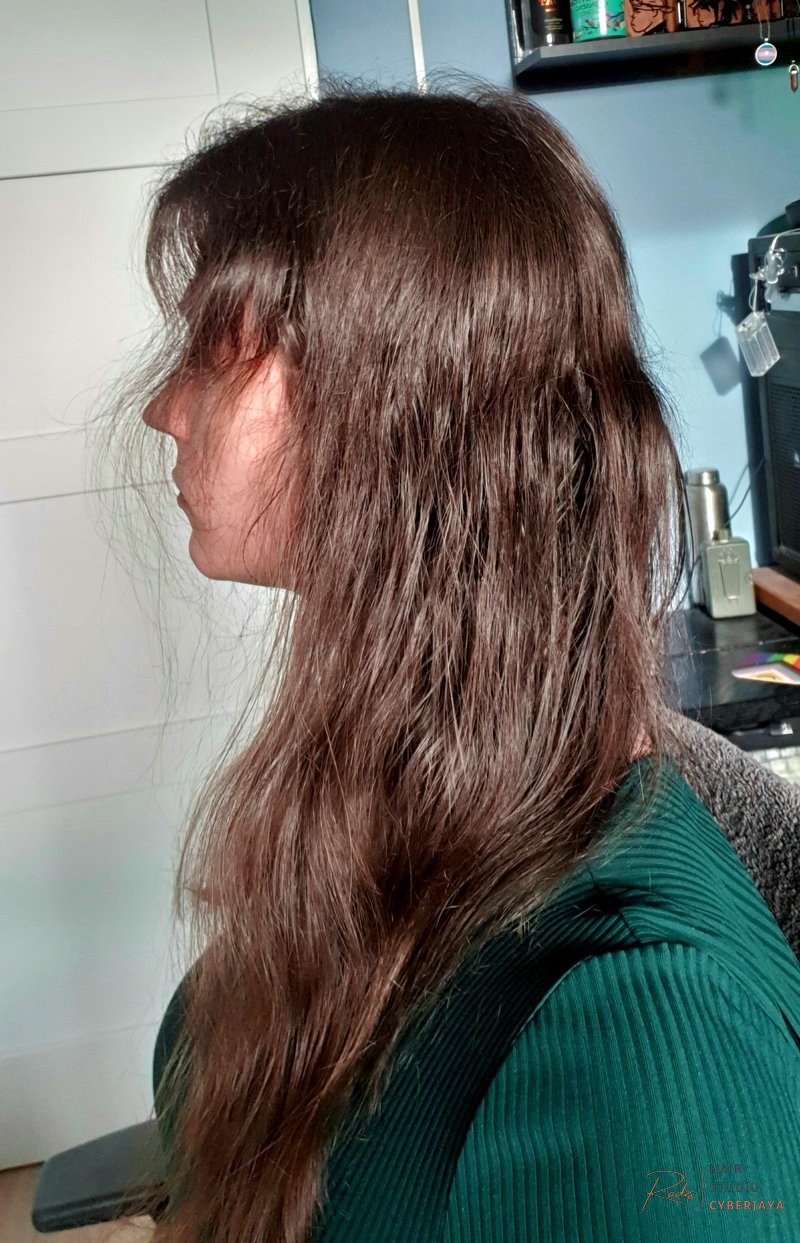
Applying leave-in products for protection
Once you’ve gently towel-dried your hair, it’s the perfect time to apply any leave-in products. This step is essential for providing extra protection, moisture, and manageability, especially if you’re wondering how long after wash hair should you dry it and what steps to take in between. Wet hair is highly receptive to products, allowing them to penetrate more effectively and deliver their benefits.
Depending on your hair type and concerns, you might choose a leave-in conditioner for added hydration, a heat protectant if you plan to blow dry, or an anti-frizz serum to smooth the cuticles. For those with curly or wavy hair, a curl cream can help define your natural pattern. Distribute the product evenly through your hair, focusing on the mid-lengths and ends, where hair tends to be driest. Using a wide-tooth comb or your fingers to gently detangle and ensure even application will minimize breakage and prepare your hair for the next drying stage.
Choosing your drying method wisely
Choosing your drying method wisely is just as important as how you wash your hair. The decision between air drying and blow-drying, and how you execute each, can significantly impact your hair’s health, appearance, and longevity. There’s no one-size-fits-all answer, as the best method often depends on your hair type, lifestyle, and desired style. However, understanding the pros and cons of each, and implementing best practices, will empower you to make informed choices that benefit your strands.
Both air drying and blow-drying have their place in a healthy hair routine, provided they are done correctly. The key is to minimize stress on the hair, avoid excessive heat whenever possible, and use products that support your chosen method. This thoughtful approach ensures that you not only achieve your desired look but also maintain the vitality and strength of your hair over time.
Benefits and drawbacks of air drying
Air drying your hair can seem like the gentlest option, and it certainly has its benefits. It eliminates heat damage, saves time compared to blow-drying, and can be ideal for certain hair types, especially those with natural waves or curls that you want to enhance. Many people find that air drying gives their hair a softer, more natural texture, and it requires no special equipment.
However, air drying also comes with its drawbacks. As mentioned earlier, leaving your hair wet for an extended period can lead to cuticle damage and an increased risk of scalp issues due to prolonged moisture. For some hair types, especially fine or straight hair, air drying can result in a lack of volume or a limp appearance. It can also exacerbate frizz, particularly in humid environments, as the hair cuticles remain open for longer, absorbing more moisture from the air. The best approach is to partially air dry (until about 70-80% dry) before completing with a cool blow-dry or letting it fully air dry if you’re not prone to frizz or scalp sensitivity.
Best practices for blow-drying safely
When you opt for blow-drying, doing it safely is paramount to prevent heat damage. The goal is to dry your hair efficiently without stripping it of moisture or scorching the delicate strands. At Radzs Hair Studio Cyberjaya, we always recommend a few key best practices. Firstly, always apply a heat protectant spray to damp hair before blow-drying. This creates a barrier that shields your hair from direct heat.
Secondly, never blow-dry soaking wet hair. Aim to get your hair about 60-80% dry through gentle towel blotting or partial air-drying before introducing heat. This significantly reduces the amount of time your hair is exposed to the dryer. Use a medium or cool heat setting, not the hottest one, and keep the dryer moving constantly. Avoid concentrating the heat on one section for too long. For added control and smoothness, use a nozzle attachment and direct the airflow down the hair shaft, from roots to ends. Finish with a blast of cool air to seal the cuticles and lock in shine. This method minimizes damage and helps answer the question of how long after wash hair should you dry it for the best results.
Timing considerations for various hair types
The optimal drying time after washing your hair isn’t a universal constant; it varies significantly based on your individual hair type and texture. What works wonders for fine, straight hair might be detrimental to thick, curly strands. Understanding these nuances is key to developing a personalized hair care routine that truly supports your hair’s health and aesthetic. Each hair type has unique characteristics that influence how it reacts to water and heat, and therefore, how quickly and gently it should be dried.
Considering your hair’s specific needs, such as its thickness, porosity, and curl pattern, allows you to tailor your drying approach for the best possible outcome. This personalized attention not only prevents common issues like frizz and breakage but also enhances your hair’s natural beauty. It’s about working with your hair, not against it, to achieve healthy, vibrant results every time you wash it.
Fine and thin hair
For individuals with fine and thin hair, the drying process requires a delicate touch and a slightly faster pace. Fine hair tends to absorb water quickly and can become weighed down if left wet for too long, leading to a limp and flat appearance. Additionally, it’s more susceptible to breakage when wet. Therefore, the answer to how long after wash hair should you dry it for fine hair leans towards a more immediate approach.
After gently blotting with a microfiber towel, aim to start drying within 15-30 minutes. If blow-drying, use the lowest heat setting and a medium airflow. Focus on lifting the roots for volume. For air drying, ensure your environment isn’t too humid, as fine hair can easily become frizzy. Partially blow-drying the roots before air drying the rest can also help add volume without exposing the entire hair length to heat. This swift yet gentle method helps fine hair retain its natural body and prevents unnecessary damage.
Thick and coarse hair
Thick and coarse hair types present a different challenge when it comes to drying: they retain a lot of water and can take a long time to air dry completely. While this hair type is generally more robust than fine hair, prolonged wetness still poses risks, including scalp issues and potential stretching damage if handled roughly. When considering how long after wash hair should you dry it for thick or coarse hair, a strategy that balances efficiency with protection is essential.
After a thorough, gentle towel blot, you might wait 30-60 minutes before fully drying. This allows some initial air drying and slightly reduces the overall blow-drying time. If using a blow-dryer, invest in a powerful one with multiple heat and speed settings. You can use a slightly higher heat setting than fine hair, but always with a heat protectant. Sectioning your hair will make the process more manageable and ensure even drying. For those who prefer air drying, consider letting it dry partially for several hours, then finish with a cool blow-dry to smooth any frizz and ensure the scalp is completely dry. This prevents the hair from sitting wet for too long while still minimizing heat exposure.
Curly and coily hair
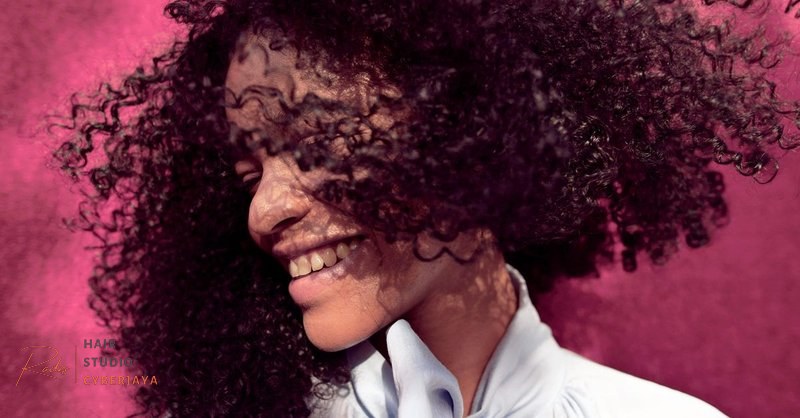
Curly and coily hair types require a unique approach to drying, as they are naturally prone to dryness and frizz. The goal is to dry the hair in a way that preserves the curl pattern, minimizes frizz, and locks in moisture. Leaving curly hair wet for too long can lead to excessive frizz, while aggressive blow-drying can disrupt the curl pattern and cause damage. Therefore, understanding the delicate balance is crucial when determining how long after wash hair should you dry it.
After washing, gently squeeze out excess water with a microfiber towel or cotton t-shirt. Avoid rubbing entirely. Apply a generous amount of leave-in conditioner and a curl-defining product to soaking wet or damp hair to help define curls and prevent frizz. You can then opt for air drying, allowing your curls to form naturally. For faster drying, use a diffuser attachment on your blow-dryer with a low heat and low speed setting. Hover the diffuser around your hair or gently cup sections of curls in the diffuser bowl, avoiding aggressive movements. Drying until your hair is 80-90% dry and letting it air dry the rest of the way can help maintain moisture and reduce frizz. The key is patience and a gentle touch to ensure bouncy, well-defined curls.
Common mistakes to avoid during hair drying
The hair drying process, whether air drying or blow-drying, is often fraught with common mistakes that can inadvertently lead to damage, frizz, and an overall unhealthy appearance. Many of these habits are ingrained, but understanding and avoiding them can dramatically improve the health and look of your hair. From the moment you step out of the shower to the final touches of styling, every action matters. Being mindful of these pitfalls is just as important as knowing how long after wash hair should you dry it.
Identifying and correcting these common errors can transform your hair care routine, leading to smoother, stronger, and more vibrant hair. It’s about shifting from quick, sometimes careless, habits to intentional, protective practices that prioritize your hair’s well-being. By making small adjustments, you can prevent significant long-term damage and enjoy healthier hair every day.
Rubbing hair vigorously with a towel
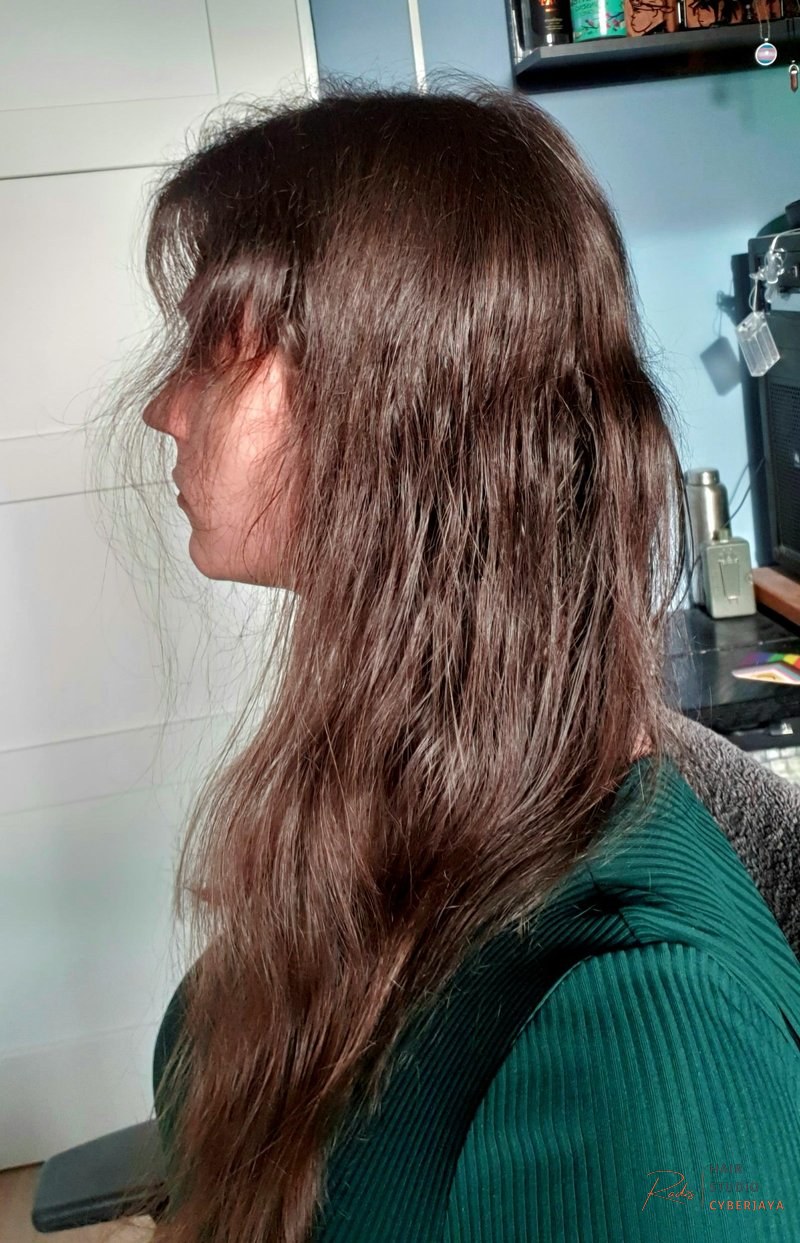
One of the most common and damaging mistakes people make after washing their hair is rubbing it vigorously with a standard bath towel. While it might seem like the quickest way to remove excess water, this action is highly detrimental to your hair’s health. As discussed, wet hair cuticles are open and vulnerable. The rough texture of a traditional cotton towel, combined with aggressive rubbing, creates intense friction. This friction can snag, lift, and even tear the delicate cuticles, leading to several undesirable outcomes.
The immediate consequence is increased frizz, as the disrupted cuticles cannot lie flat. Over time, this practice contributes significantly to split ends, breakage, and dullness, making your hair appear unhealthy and difficult to manage. Instead, always opt for a microfiber towel or a soft cotton t-shirt and gently pat or squeeze your hair to absorb water. This small change in technique can make a massive difference in maintaining the integrity and smoothness of your hair.
Using high heat settings without protection
Another prevalent mistake, particularly for those who blow-dry, is using high heat settings without adequate protection. While high heat certainly speeds up the drying process, it comes at a significant cost to your hair’s health. Extreme heat can literally “cook” the protein structure of your hair, leading to irreversible damage. This includes drying out the hair, making it brittle, causing split ends, and even altering its natural color and texture.
When water inside the hair shaft heats up too quickly, it expands rapidly, creating bubbles that can rupture the hair’s outer layer, a phenomenon known as “bubble hair.” This leaves the hair weak and susceptible to breakage. To avoid this, always apply a heat protectant spray or cream to your hair before blow-drying. Furthermore, opt for medium or low heat settings and keep the blow-dryer moving constantly. Never hold the dryer in one spot for too long. Prioritizing hair health over speed will ensure your hair remains strong and shiny, making you glad you considered how long after wash hair should you dry it carefully.
Brushing wet hair aggressively
Brushing wet hair aggressively is a common habit that can lead to significant damage. As previously discussed, wet hair is at its most vulnerable state due to lifted cuticles and increased elasticity. When you comb or brush through wet hair with force, especially with a brush not designed for wet hair, you’re essentially stretching and tearing the fragile strands. This can cause widespread breakage, split ends, and damage to the hair’s internal structure.
Instead, always detangle wet hair gently. Begin by applying a leave-in conditioner or detangling spray to provide slip. Use a wide-tooth comb or a brush specifically designed for wet hair, which typically has flexible bristles that glide through tangles without pulling. Start detangling from the ends of your hair and work your way up to the roots, slowly and patiently. This technique minimizes tension on the hair, preventing breakage and preserving its health. Patience and the right tools are crucial for maintaining strong, beautiful hair.
| Hair Type | Recommended Drying Time After Wash | Key Considerations |
|---|---|---|
| Fine/Thin Hair | 15-30 minutes | Prone to limpness and breakage. Use low heat, focus on roots for volume. Avoid prolonged wetness to prevent scalp issues. |
| Thick/Coarse Hair | 30-60 minutes | Retains water, takes longer to dry. Can use slightly higher heat with protection. Sectioning is key for even drying. |
| Curly/Coily Hair | No strict time, prioritize gentle air-dry or diffuser | Prone to frizz and dryness. Use leave-ins and curl definers. Diffuse on low heat/speed, or air dry to preserve curl pattern. |
| Damaged/Chemically Treated Hair | As soon as gently towel-dried | Highly vulnerable. Minimize heat, maximize air drying. Focus on protecting and nourishing during drying. |
Frequently asked questions
Is air drying your hair after a shower healthy or unhealthy?
Air drying can be healthy if done correctly, allowing hair to dry naturally without heat damage. However, leaving hair wet for too long can lead to scalp issues and increased fragility, so it’s best to partially air dry and then complete the drying process.
Should I always blow dry my hair after I wash it?
No, you don’t always need to blow dry your hair. While blow-drying can style hair quickly, air drying is a gentler alternative. If you do blow dry, always use heat protectant and low heat settings to prevent damage.
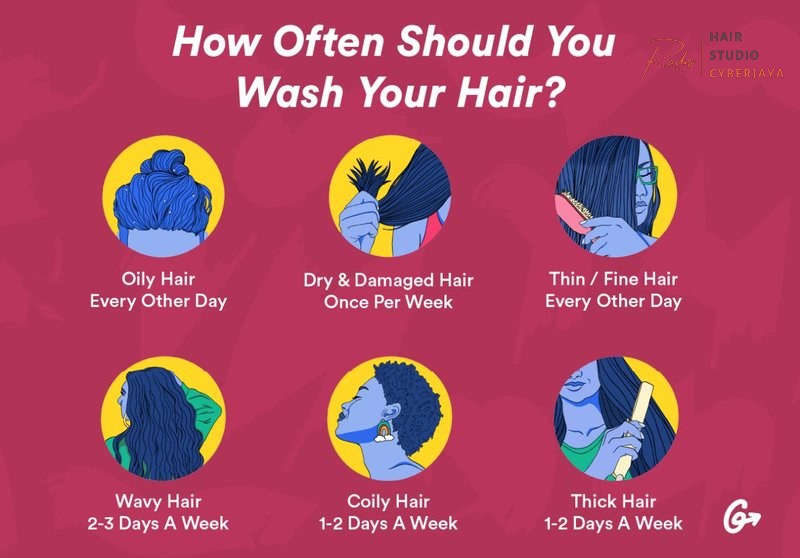
How often should you wash and air dry your hair?
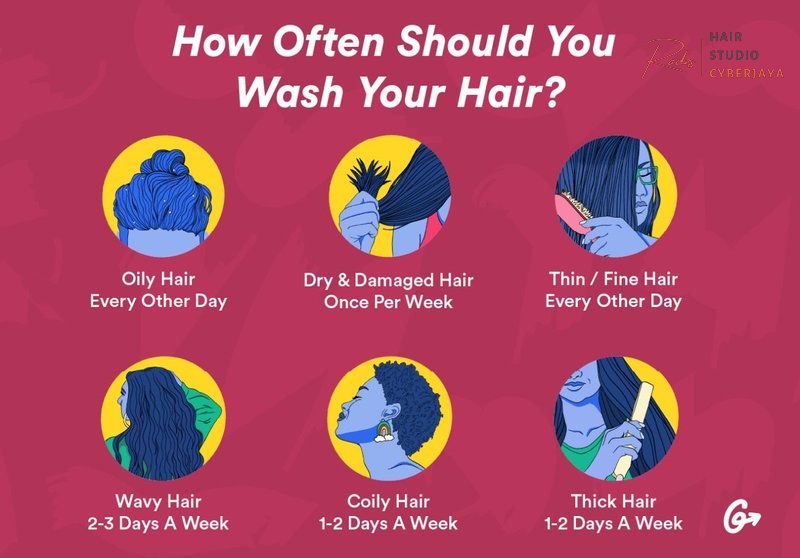
The frequency depends on your hair type and scalp. Oily scalps might need washing 2-4 times a week, while dry scalps may only need 1-2 times. Air drying is often suitable for every wash, provided you don’t leave it wet for excessively long periods.
Why does my hair feel rough and stringy after I wash it?
Rough and stringy hair after washing can indicate product buildup, hard water issues, or damage from aggressive drying. Ensure you’re thoroughly rinsing out shampoo and conditioner, using a clarifying shampoo periodically, and being gentle with your hair during washing and drying.
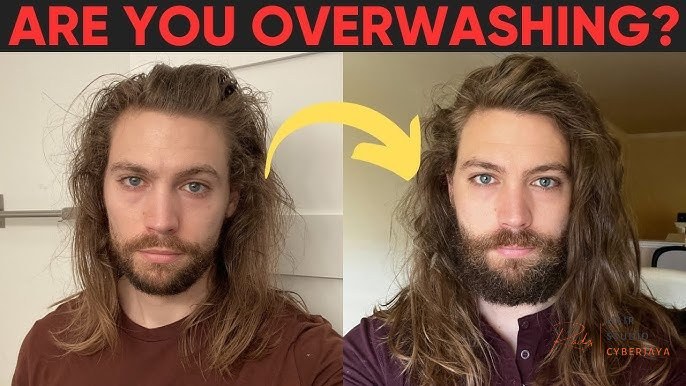
Can daily hair washing make hair dry?
Daily hair washing can sometimes lead to dryness, especially if you use harsh shampoos or don’t follow up with a good conditioner. However, for some hair types, particularly oily ones, daily washing is necessary. Pre-conditioning or using gentle, hydrating products can mitigate dryness.
Conclusion
Understanding how long after wash hair should you dry it is a fundamental aspect of maintaining healthy, vibrant hair. By adopting gentle drying techniques, choosing the right products, and considering your specific hair type, you can minimize damage and enhance your hair’s natural beauty. Remember that wet hair is vulnerable, so always treat it with care—from the initial towel blot to your chosen drying method. Avoid common mistakes like vigorous rubbing and excessive heat to prevent frizz, breakage, and scalp issues.
At Radzs Hair Studio Cyberjaya, we are committed to helping you achieve your best hair possible. By following these guidelines, you’ll be well on your way to a healthier hair routine. If you ever have questions or need personalized advice on how long after wash hair should you dry it for your specific needs, don’t hesitate to visit us or explore our services. We are here to help you unlock the secret to beautiful, well-cared-for hair!