

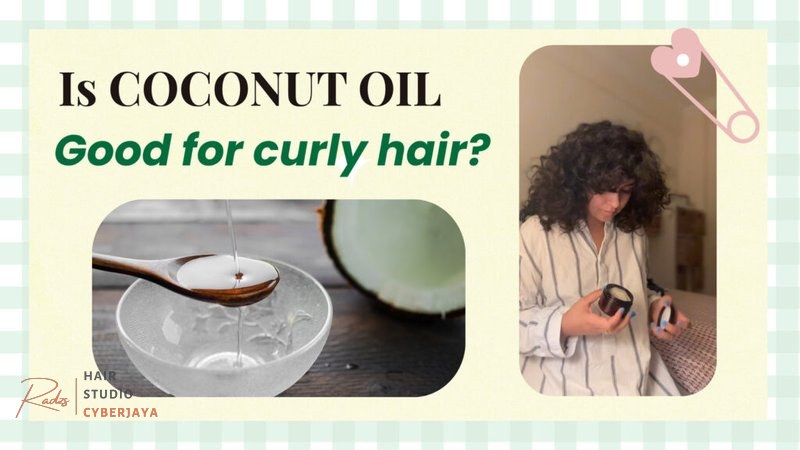
Many individuals with curly hair wonder if Radzs Hair Studio Cyberjaya can provide insights into whether coconut oil is good for curly hair. Yes, coconut oil is generally good for curly hair, offering numerous benefits when used correctly. This natural ingredient can be a game-changer for managing frizz, enhancing shine, and providing deep hydration to your beloved curls. It works by penetrating the hair shaft, reducing protein loss, and smoothing the cuticle, which helps in making curls more manageable and vibrant.
At Radzs Hair Studio Cyberjaya, we often recommend incorporating coconut oil into your hair care routine to address common concerns like dryness and breakage. Its unique molecular structure allows it to penetrate deeper than many other oils, providing lasting moisture and protection. However, understanding your hair’s specific needs, especially its porosity, is key to maximizing its benefits. Let’s delve into how coconut oil can transform your curly hair and how to use it effectively.
Coconut oil provides essential hydration for curly hair
Coconut oil stands out as an exceptional ingredient for hydrating curly hair due to its unique composition. Unlike many other oils that merely sit on the surface, coconut oil has a small molecular structure that allows it to penetrate the hair shaft deeply. This deep penetration helps to seal in moisture, which is crucial for curly hair that tends to be naturally drier than straighter hair types. Regular application can significantly improve the overall hydration levels of your curls, making them feel softer and more supple.
The ability of coconut oil to provide this profound hydration is particularly beneficial for combating the common issue of frizz. When hair is adequately moisturized, its cuticles lie flat, preventing external humidity from causing the hair to swell and frizz. By creating a protective barrier, coconut oil helps to maintain the hair’s internal moisture balance, resulting in well-defined and smooth curls. This makes styling easier and keeps your curls looking vibrant throughout the day. It’s a truly brilliant solution for keeping your curls healthy and happy.

Understanding the benefits of coconut oil for curly hair hydration
Coconut oil offers a plethora of benefits specifically tailored for the unique needs of curly hair, primarily focusing on hydration. Its rich fatty acid profile, particularly lauric acid, means it can bind to hair proteins and prevent protein loss, which is often a concern for damaged or chemically treated curls. This not only strengthens the hair from within but also helps to retain essential moisture, leading to less dryness and more resilient curls.
Furthermore, the deep conditioning properties of coconut oil make it an excellent choice for pre-shampoo treatments or as a leave-in conditioner. When applied before washing, it can reduce the amount of water absorbed by the hair, minimizing hygral fatigue and preventing the hair from becoming overly porous. As a leave-in, it provides continuous moisture throughout the day, ensuring your curls remain soft, shiny, and hydrated. This comprehensive approach to hydration makes coconut oil a valuable ally in any curly hair care regimen.
Coconut oil effectively tames frizz and enhances curl definition
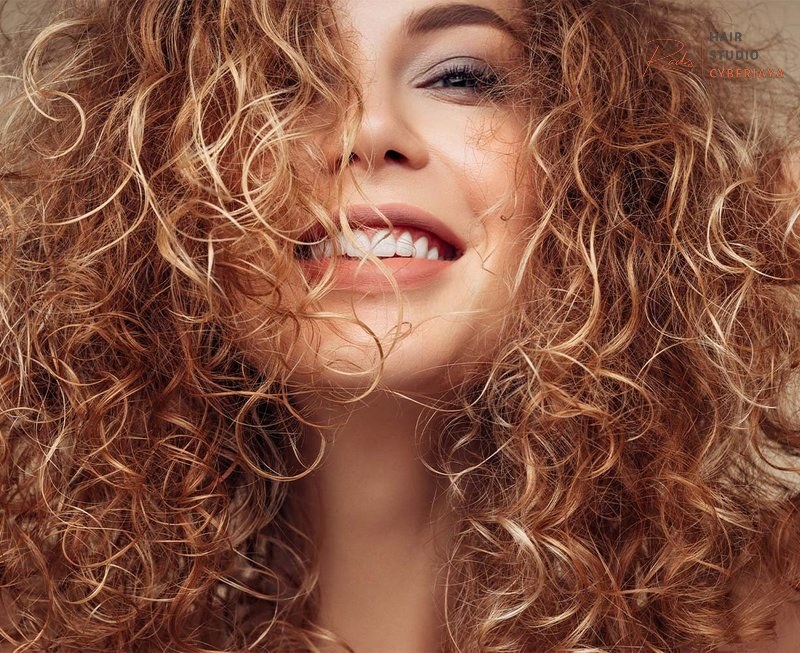
Frizz is a common challenge for many with curly hair, often caused by a lack of moisture and an open cuticle layer. Coconut oil is an excellent natural remedy for taming frizz and enhancing the natural definition of your curls. Its ability to penetrate the hair shaft and smooth the cuticle helps to seal in moisture and create a protective barrier against humidity. This barrier prevents the hair from absorbing excess moisture from the air, which is a primary trigger for frizz.
By effectively smoothing the hair’s surface, coconut oil makes your curls appear more polished and less unruly. This improved texture also contributes to better curl definition, allowing each curl clump to form more distinct and bouncy patterns. Many find that incorporating coconut oil into their styling routine helps their curls hold their shape longer and reduces the need for heavy, product-laden styling. Just using it to make hair less dry, and sometimes right after washing, works awesome.

How coconut oil improves frizz and curl patterns
The mechanism by which coconut oil combats frizz and enhances curl patterns is rooted in its unique fatty acid composition. Lauric acid, a predominant fatty acid in coconut oil, has a high affinity for hair proteins. This allows it to penetrate deeply into the hair shaft, reducing protein loss and strengthening the hair from within. Stronger hair is less prone to breakage and has a smoother, more uniform surface.
When the hair cuticle is smooth and sealed, it reflects light better, resulting in increased shine and a healthier appearance. This smooth surface also helps curls to clump together more effectively, enhancing their natural definition and reducing stray frizz. Applying coconut oil can help smooth the surface of the hair, making curls easier to work with and style. This can be especially helpful if your hair feels rough or tangled. For best results, use a small amount to avoid weighing down your curls.
Coconut oil protects curly hair from damage and breakage
Curly hair is often more susceptible to damage and breakage due to its unique structure, which can make it drier and more fragile. Coconut oil provides an excellent protective barrier, shielding curls from environmental stressors and reducing mechanical damage. Its ability to penetrate the hair shaft helps to fortify the hair from within, making it more resistant to daily wear and tear, such as combing, styling, and exposure to heat or harsh weather conditions.
The deep nourishment provided by coconut oil strengthens the hair cuticle, preventing it from lifting and exposing the inner cortex to damage. This protective action is crucial for maintaining the integrity of curly strands, which are prone to splitting and fraying. By regularly incorporating coconut oil into your hair care routine, you can significantly reduce the incidence of breakage and promote healthier, stronger curls that are less prone to damage.
The role of coconut oil in preventing hair breakage
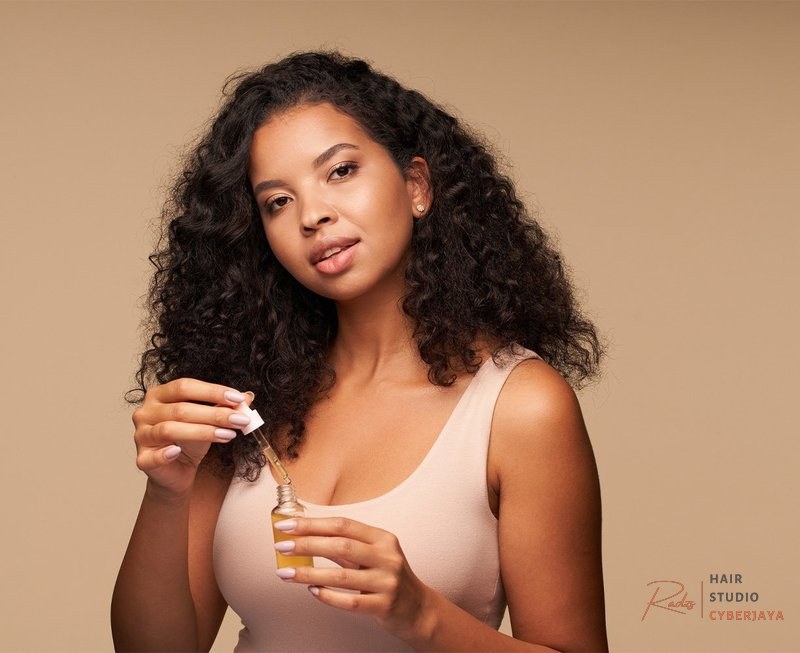
Preventing hair breakage is a critical aspect of maintaining healthy curly hair, and coconut oil plays a significant role in this. One of the key ways it achieves this is by reducing protein loss from the hair. Hair is primarily composed of protein, and everyday activities like washing and styling can lead to protein depletion, weakening the strands and making them brittle.
Coconut oil has been shown to reduce protein loss in both damaged and undamaged hair. By coating the hair shaft and penetrating its core, it fills in the gaps and strengthens the hair’s internal structure. This makes the hair more elastic and less likely to snap under stress. Coconut oil for curly hair is highly penetrative; it leaves less space for water to enter hair. Coconut Oil reduces protein loss, which helps maintain hair strength. This dual action of strengthening and protecting ensures that your curls remain resilient and breakage-free.
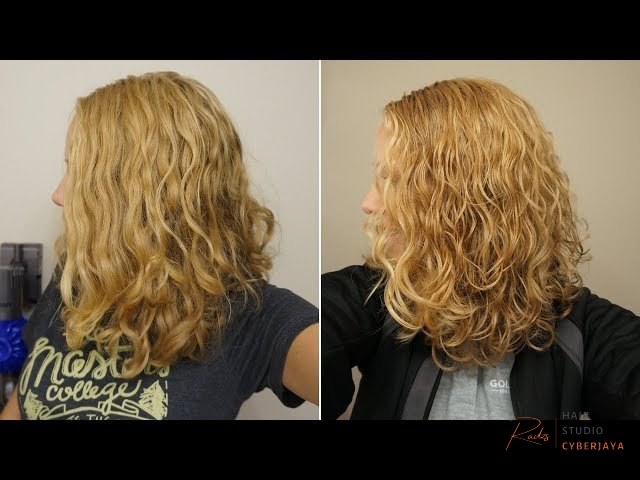
How to apply coconut oil effectively to curly hair
Applying coconut oil to curly hair correctly is essential to reap its maximum benefits without weighing down your curls. The method of application often depends on your hair’s porosity and desired results. For a pre-shampoo treatment, warm a small amount of virgin coconut oil in your hands and gently massage it into your dry hair, focusing on the ends and mid-lengths. Leave it on for at least 30 minutes, or even overnight, before shampooing and conditioning as usual. This helps to protect your hair from harsh cleansing agents and keeps it hydrated.
For a leave-in conditioner or styling aid, use a very small amount—a pea-sized drop for fine hair, slightly more for thicker curls. Rub it between your palms until it’s liquid, then lightly scrunch it into damp curls after washing. This helps to seal in moisture, reduce frizz, and enhance curl definition without making your hair greasy. Experiment with quantities to find what works best for your unique curl pattern and hair density. Another reason coconut oil and curls aren’t always compatible is protein. Coconut oil is super high in protein, posing another challenge to low porosity hair, so mindful application is key.
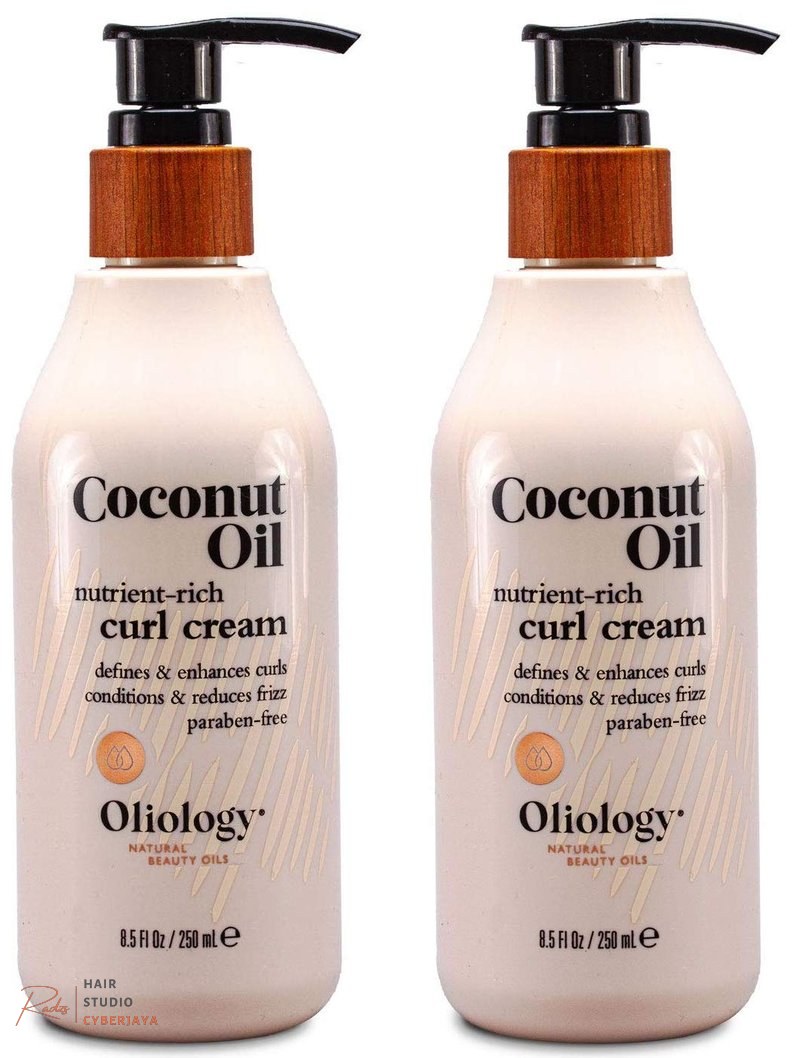
Best practices for incorporating coconut oil into your routine
Incorporating coconut oil into your curly hair routine requires a bit of experimentation to find what best suits your hair type. For those with high porosity hair, which tends to absorb moisture quickly but also lose it just as fast, coconut oil can be a fantastic sealant. Apply it as the last step in your styling routine to lock in all the moisture from your other products.
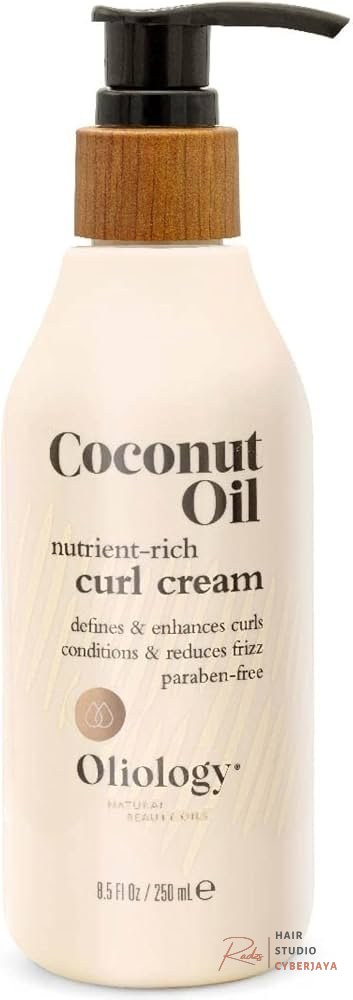
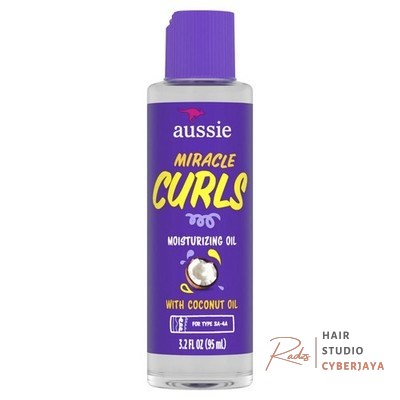
If you have low porosity hair, which struggles to absorb moisture, use coconut oil sparingly and consider applying it to damp hair. This helps the oil penetrate better. It can also be used as a deep conditioning treatment once a week by mixing it with other natural ingredients like honey or aloe vera. Always ensure you are using pure, unrefined virgin coconut oil for the best results, as processed versions may lack beneficial nutrients. You can also explore products like Radzs Hair Studio Cyberjaya hair care lines that feature coconut oil.
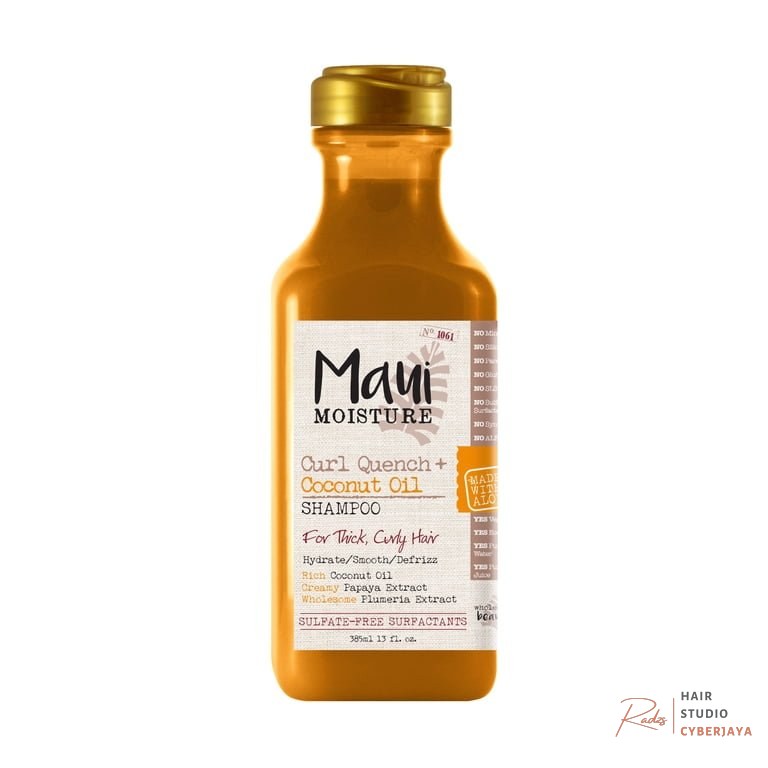
Potential downsides and considerations for coconut oil
While coconut oil offers numerous benefits for curly hair, it’s also important to be aware of potential downsides and consider your hair’s unique characteristics. For some, particularly those with low porosity hair, coconut oil can be too heavy and may lead to product buildup. Hair with low porosity has tightly bound cuticles that resist moisture penetration, and thick oils like coconut oil can sit on the surface, making hair feel greasy, limp, or even drier in the long run by preventing other moisturizing products from entering. It’s crucial to pay attention to how your hair responds and adjust your usage accordingly.
Another consideration is that coconut oil is rich in protein. While protein is beneficial for strengthening hair, an excess of it can lead to protein overload, especially for hair that is already sensitive to protein. Symptoms of protein overload include stiff, brittle hair that is prone to breakage. If you notice these signs, it may be best to reduce or discontinue coconut oil usage and opt for more moisture-focused treatments. Understanding your hair’s needs is key to leveraging the power of coconut oil effectively.
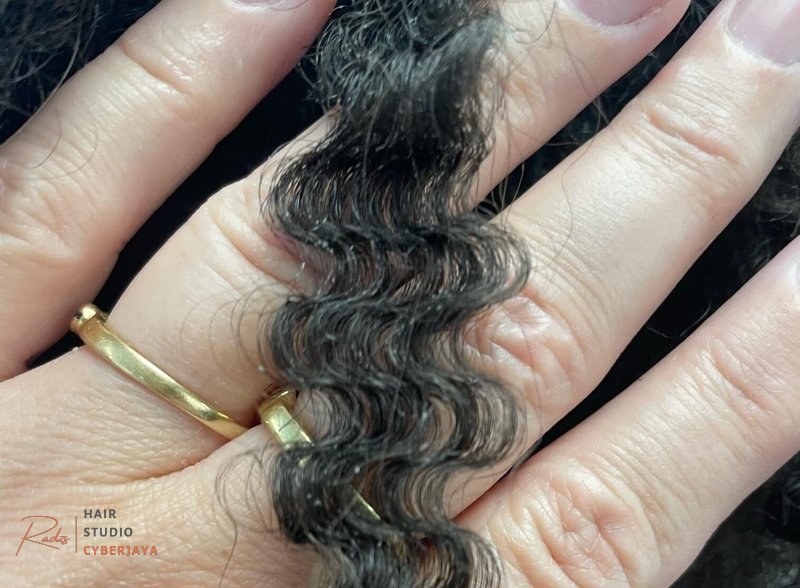
When coconut oil might not be the best choice for your curls
Coconut oil, despite its widespread popularity, might not be the ideal solution for every curly hair type. As mentioned, individuals with low porosity hair often find that coconut oil can create a barrier that prevents essential moisture from penetrating the hair shaft, leading to dryness and dullness rather than hydration. In such cases, lighter oils like jojoba, argan, or grapeseed oil may be more suitable, as they are less likely to cause buildup.
Additionally, some people might experience scalp sensitivity or allergic reactions to coconut oil. While rare, it’s always wise to perform a patch test before applying it extensively. If your hair is prone to feeling greasy quickly, or if you notice your curls becoming less bouncy and more weighed down, these are signs that coconut oil might be too heavy for your hair. In these situations, exploring alternative natural oils or specialized curl products could yield better results for your specific hair needs.
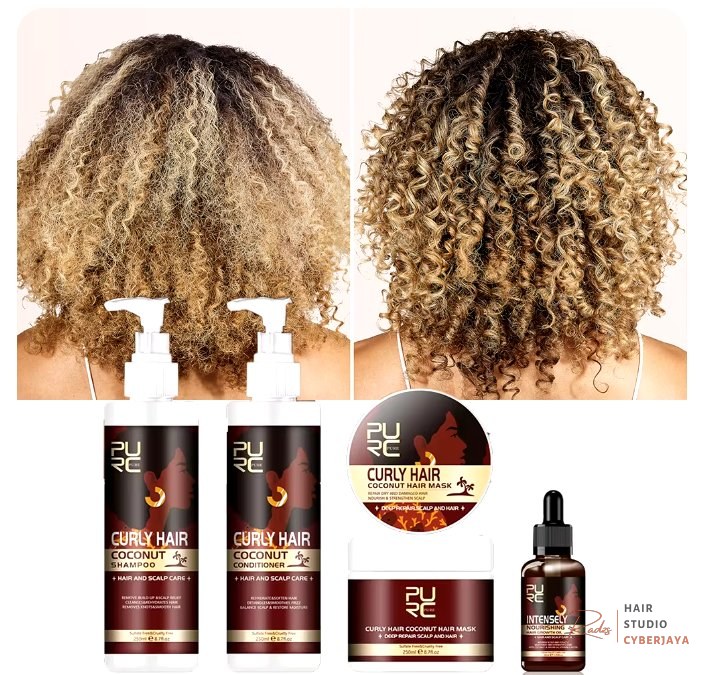
Frequently asked questions about coconut oil and curly hair
Is coconut oil suitable for all curly hair types?
While many curly hair types benefit from coconut oil, it is not universally suitable. Hair porosity plays a significant role; low porosity hair might find it too heavy, leading to buildup and dryness, whereas high porosity hair often thrives on its sealing properties. It’s always best to observe how your specific curls react.
How often should I use coconut oil on my curly hair?
The frequency of coconut oil application depends on your hair’s needs. For deep conditioning, once or twice a week is usually sufficient. For light styling or frizz control, a small amount can be used daily or every few days. Adjust based on how your hair feels and looks.
Can coconut oil cause protein overload in curly hair?
Yes, because coconut oil is rich in protein-like fatty acids, excessive use, especially on protein-sensitive hair, can lead to protein overload. This can make hair stiff, brittle, and prone to breakage. If you notice these symptoms, reduce or stop using coconut oil.
What is the best type of coconut oil to use for curly hair?
For optimal results, always choose virgin, unrefined coconut oil. This type retains all its natural nutrients and beneficial compounds, providing the most effective conditioning and protection for your curly hair compared to refined or processed varieties.
Should I apply coconut oil to wet or dry curly hair?
You can apply coconut oil to both wet and dry hair, depending on your goal. Applying it to damp hair can help seal in moisture and define curls. For deep conditioning treatments or pre-shampoo, applying it to dry hair often allows for better penetration and protection.
Conclusion
In conclusion, the journey to healthy, vibrant curls often involves finding the right natural ingredients, and understanding if coconut oil is good for curly hair is a key step. We’ve seen that coconut oil offers significant benefits, including deep hydration, effective frizz control, and protection against damage and breakage. Its unique molecular structure allows it to penetrate the hair shaft, making it a powerful ally for many with curly hair. However, it’s also crucial to consider individual hair porosity and avoid potential protein overload, ensuring that this natural remedy enhances rather than hinders your curl journey.
By understanding your hair’s unique needs and applying coconut oil and curly hair treatments effectively, you can unlock the full potential of this versatile oil. At Radzs Hair Studio Cyberjaya, we are dedicated to helping you achieve your best hair yet. Whether you’re looking for personalized advice or professional treatments, our experts are here to guide you. Discover the amazing coconut oil benefits for curly hair, including frizz control, penetrating hydration, and prevention of breakage. Visit us today to explore how we can help your curls flourish!