

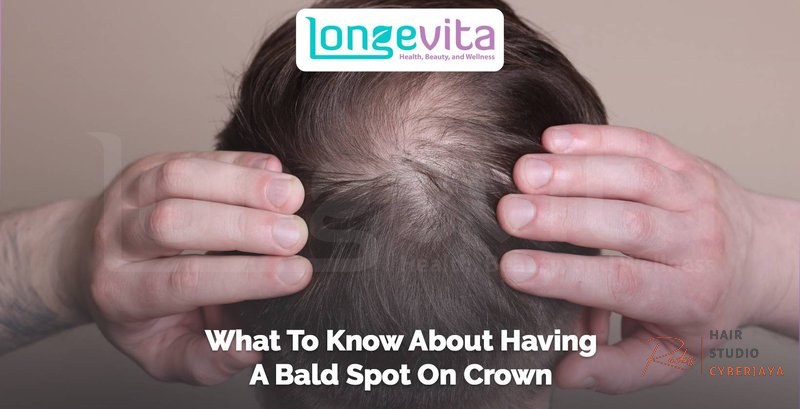
Crown hair loss occurs when hair follicles in the crown shed faster than the body can replace them, leading to gradual thinning over time. This common form of hair loss can be a source of significant concern for many, impacting self-esteem and appearance. Understanding the underlying causes and available treatments is crucial for effectively managing and potentially reversing the condition. At Radzs Hair Studio Cyberjaya, we are dedicated to providing comprehensive insights and personalized solutions for all your hair care needs, including effective strategies for addressing thinning hair on the crown.
Identifying the root causes of crown hair loss
Understanding why you are experiencing crown hair loss is the first step towards finding an effective solution. While male pattern baldness (androgenetic alopecia) is a primary culprit, several other factors can contribute to thinning hair on the crown. Recognizing these causes can help you and your hair specialist devise the most suitable treatment plan. It is important to consider both genetic predispositions and lifestyle elements when diagnosing hair loss.
One of the most common causes of crown hair loss, particularly in men, is androgenetic alopecia. This genetic condition leads to hair follicles becoming sensitive to dihydrotestosterone (DHT), a hormone that miniaturizes hair follicles, causing them to produce thinner, shorter hairs until they eventually stop growing altogether. This process typically manifests as a receding hairline and noticeable thinning at the crown of the head. Women can also experience androgenetic alopecia, often appearing as diffuse thinning across the scalp, including the crown.
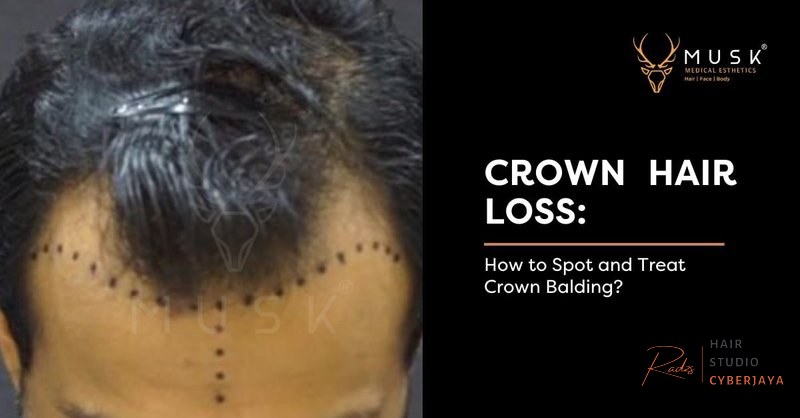
Beyond genetics, various other factors can contribute to or exacerbate crown head hair loss. These include hormonal imbalances, particularly in women, which can be triggered by events like pregnancy, childbirth, or menopause. Stress-related shedding, known as telogen effluvium, can also cause widespread hair thinning, sometimes more noticeably on the crown. Nutritional deficiencies, especially in iron, vitamin D, and biotin, play a significant role in hair health and can lead to hair loss if not addressed. Certain medical conditions, such as thyroid disorders and autoimmune diseases, can also manifest as hair thinning on the crown.
Examining common reasons for thinning hair at crown
Many individuals notice thinning hair at the crown before other areas of the scalp. This specific pattern is often linked to the distribution of androgen receptors in the hair follicles. For men, the crown area is particularly susceptible to the effects of DHT, leading to a visible bald spot. For women, while diffuse thinning is more common, the crown can still be an area where reduced hair density becomes noticeable first, especially as female pattern baldness progresses. Understanding these common patterns helps in early detection and intervention.
Lifestyle choices also significantly impact hair health. Poor diet, excessive styling with heat, tight hairstyles that cause tension on the scalp, and even certain medications can contribute to crown head hair loss. Smoking and heavy alcohol consumption can impair blood circulation to the scalp, depriving hair follicles of essential nutrients. Addressing these lifestyle factors alongside medical treatments can yield better results in combating thinning hair on the crown. Consulting with a specialist at Radzs Hair Studio Cyberjaya can help you pinpoint specific triggers and develop a tailored plan.
Recognizing the early signs of crown hair thinning
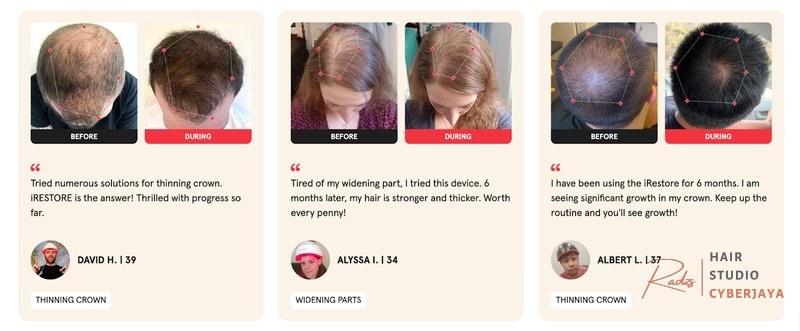
Early detection is crucial for effectively managing and treating crown hair loss. Many people overlook the initial signs, attributing them to normal hair shedding or styling issues. However, being vigilant about changes in your hair density and texture, especially at the crown, can make a significant difference in the outcome of any treatment. Prompt action can help slow down the progression of hair loss and even encourage regrowth.
One of the first signs of thinning hair on the crown is a noticeable reduction in hair density when you run your fingers through your hair. The scalp may become more visible, especially under bright lights or when your hair is wet. You might also find more hair than usual on your pillow, in your shower drain, or on your comb or brush. These subtle changes often indicate that the hair follicles in the crown area are entering a resting phase prematurely or producing finer, weaker strands.
Spotting the initial stages of crown head hair loss
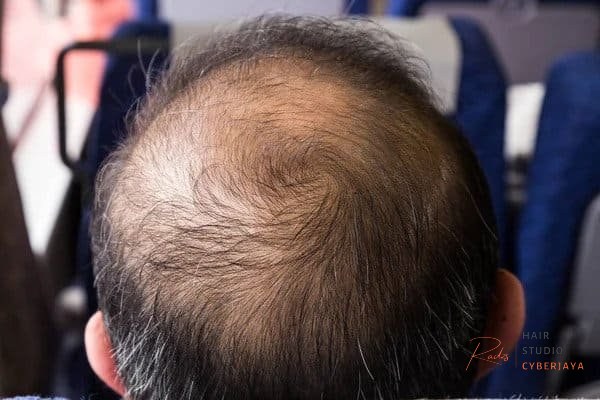
The initial stages of crown head hair loss can be very subtle. For men, a common indicator is a widening of the whorl at the back of the head. What might have once been a dense swirl of hair can begin to look sparser. For women, the part line might appear wider, or ponytails may feel thinner than they used to. These changes often occur gradually, making them easy to dismiss until the thinning becomes more pronounced. Pay close attention to how your hair behaves when wet, as this often reveals the true density of your hair.
Another early sign is a change in the texture of your hair. The hair on your crown might feel finer, weaker, or less vibrant than the hair on other parts of your scalp. It may also become more difficult to style, lacking the volume and body it once had. Some individuals might also notice increased scalp sensitivity or itching in the affected area, though this is not always directly linked to hair loss. If you observe any of these signs, it is advisable to seek professional advice to understand the cause and explore potential solutions for crown hair loss.
Effective treatments for crown hair loss
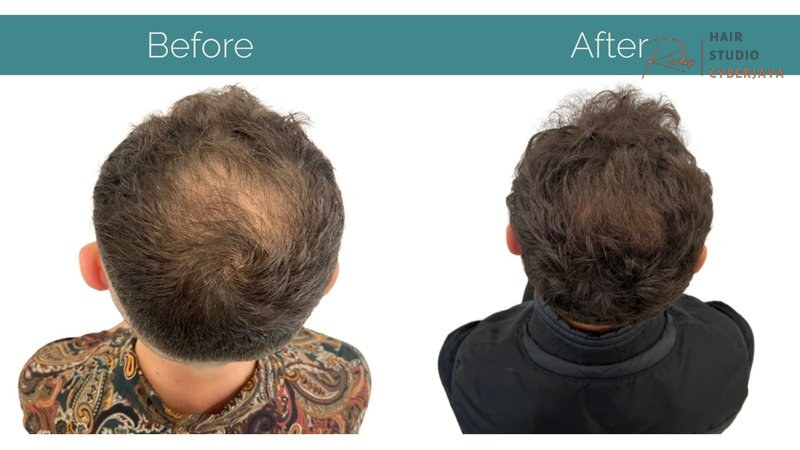
Addressing crown hair loss requires a tailored approach, as the best treatment depends on the underlying cause, the extent of the loss, and individual preferences. Fortunately, advancements in hair care and medical science offer a wide array of solutions, from topical treatments to advanced surgical procedures. At Radzs Hair Studio Cyberjaya, we provide a personalized consultation to help you navigate these options and find the most effective path forward for your specific needs.
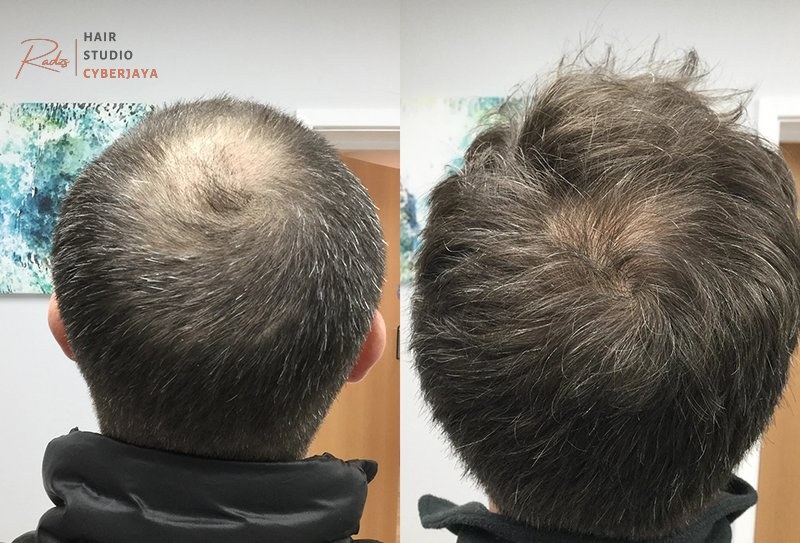
For many, non-surgical treatments are the first line of defense against thinning hair on the crown. Minoxidil, an over-the-counter topical solution, is a popular choice known to stimulate hair growth and slow down hair loss. It works by increasing blood flow to the hair follicles, extending the growth phase of the hair cycle. Finasteride, a prescription oral medication, is primarily used for male pattern baldness. It works by inhibiting the production of DHT, thereby reducing its damaging effects on hair follicles. However, it’s important to discuss potential side effects with a healthcare professional before starting any medication.
Exploring surgical and non-surgical solutions for thinning hair on the crown
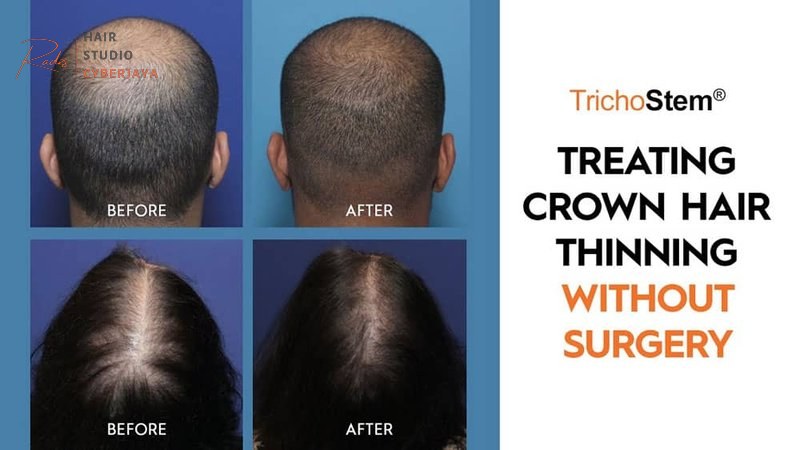
Beyond topical solutions and oral medications, several other non-surgical options can help combat crown head hair loss. Platelet-Rich Plasma (PRP) therapy involves drawing a small amount of your blood, processing it to concentrate the platelets, and then injecting the PRP into the scalp. The growth factors in PRP can stimulate dormant hair follicles and promote new hair growth. Low-level laser therapy (LLLT) devices, available for at-home use or in-clinic treatments, are also gaining popularity. These devices use red light to stimulate cellular activity in hair follicles, encouraging hair growth and improving hair density. Radzs Hair Studio Cyberjaya offers comprehensive advice on these innovative treatments.
When non-surgical options are insufficient, surgical solutions like hair transplantation offer a more permanent solution for significant crown hair loss. During a hair transplant, healthy hair follicles are typically taken from the back or sides of the head (donor areas) and meticulously transplanted to the thinning crown area. This procedure can restore a natural-looking hairline and density to the crown. There are two primary techniques: Follicular Unit Transplantation (FUT) and Follicular Unit Extraction (FUE). Both aim to provide a fuller head of hair, but they differ in how donor hair is harvested. Consulting with experienced professionals is essential to determine if you are a suitable candidate for a hair transplant.
Lifestyle adjustments and holistic approaches to prevent crown hair loss
While medical treatments play a crucial role in addressing existing crown hair loss, adopting a holistic approach that includes lifestyle adjustments can significantly contribute to preventing further thinning and maintaining overall hair health. Many factors within our daily routines can either support or hinder the vitality of our hair. Focusing on these aspects can enhance the effectiveness of other treatments and foster a healthier scalp environment. It is important to remember that hair health is often a reflection of overall bodily well-being.
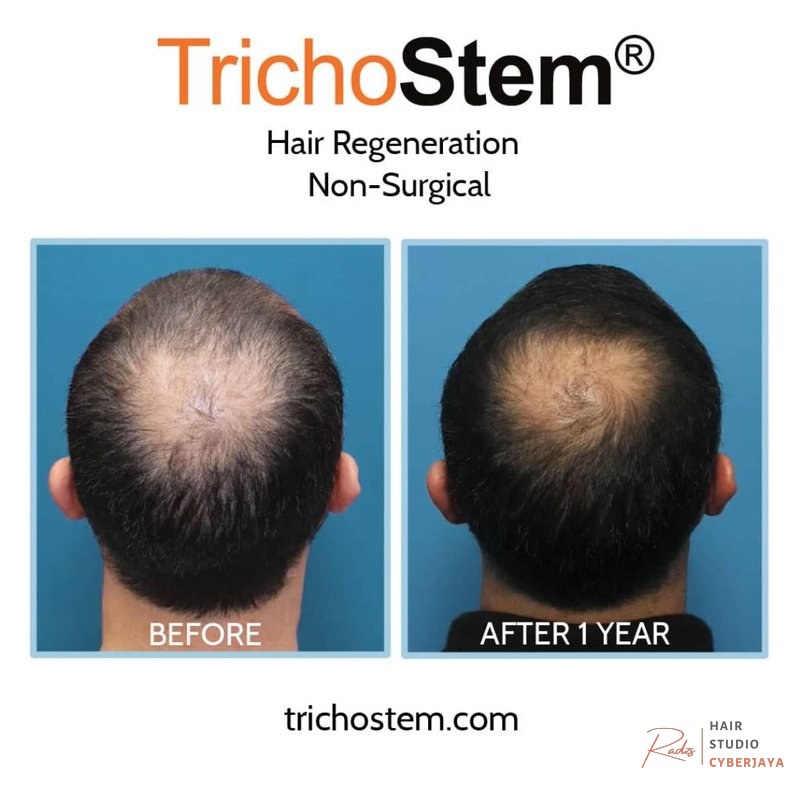
Nutrition is paramount when it comes to healthy hair. A balanced diet rich in vitamins, minerals, and proteins provides the essential building blocks for strong hair growth. Key nutrients for hair include iron, zinc, biotin, and vitamins A, C, D, and E. Foods like leafy greens, lean proteins, nuts, seeds, and fatty fish are excellent sources of these vital compounds. Supplementing vitamin D can be particularly beneficial for your scalp and hair, especially if you have a deficiency. Avoiding crash diets and ensuring adequate calorie intake also helps maintain healthy hair cycles, preventing premature shedding and supporting hair density at the crown.
Dietary and stress management tips for healthy hair on the crown
Stress is a well-known contributor to hair loss, including thinning hair on the crown. Chronic stress can push hair follicles into a resting phase, leading to telogen effluvium. Implementing stress-reducing techniques such as meditation, yoga, regular exercise, and adequate sleep can significantly mitigate this effect. Creating a calm environment for yourself can promote overall health, which in turn benefits your hair. You can also explore specific shampoos that claim to slow down hair loss, though their effectiveness can vary.
Proper hair care practices are also vital. Be gentle with your hair, especially when wet, as it is most vulnerable to breakage. Avoid excessive heat styling, tight hairstyles that pull on the scalp, and harsh chemical treatments. Choose shampoos and conditioners formulated for thinning hair or sensitive scalps. Regular, gentle scalp massages can improve blood circulation, delivering more nutrients to the hair follicles. These simple yet effective practices, combined with professional guidance, can help you manage and potentially prevent crown hair loss. Radzs Hair Studio Cyberjaya provides expert advice on nurturing your hair naturally.
When to seek professional help for crown hair loss
While many people try to manage crown hair loss with over-the-counter products and home remedies, there comes a point when professional intervention becomes necessary. Recognizing when to seek expert advice can save you time, money, and potentially more extensive hair loss. Early consultation with a hair specialist can lead to a more accurate diagnosis and a more effective treatment plan, tailored to your specific condition. Do not hesitate to reach out if you notice persistent or rapidly worsening hair thinning.
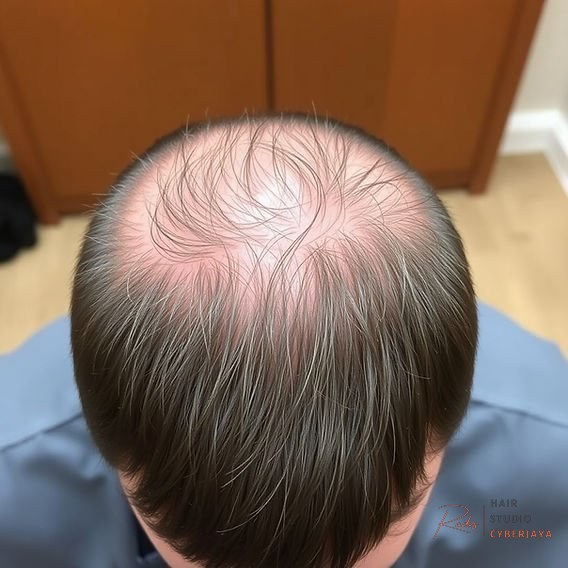
You should consider seeking professional help if you experience sudden or rapid hair loss on the crown, if over-the-counter treatments haven’t yielded desired results after several months, or if your hair loss is accompanied by other symptoms like scalp itching, pain, redness, or scaling. A specialist can help rule out underlying medical conditions that might be contributing to your hair loss. They can also provide a definitive diagnosis, such as identifying if you have androgenetic alopecia or another form of hair loss, which is crucial for determining the most appropriate course of action.
Consulting specialists for severe or persistent thinning hair at crown
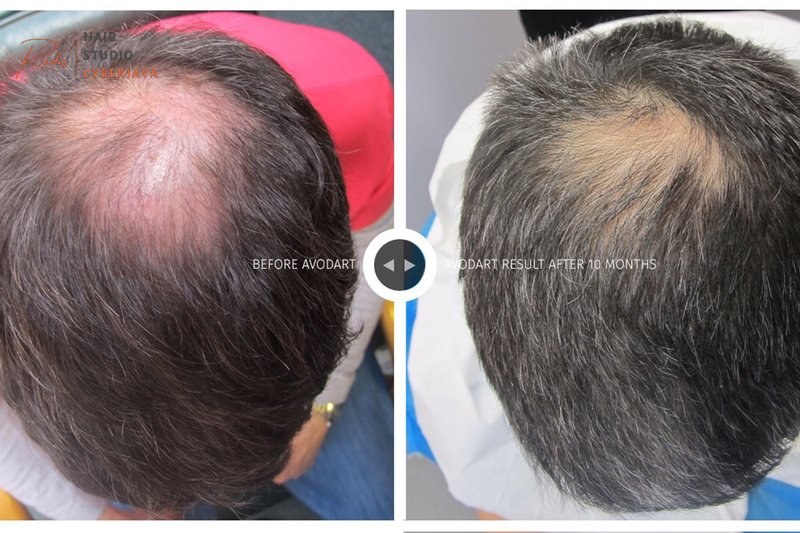
For severe or persistent thinning hair at the crown, a consultation with a trichologist or dermatologist specializing in hair loss is highly recommended. These professionals have the expertise to conduct thorough examinations, which may include scalp analyses, blood tests, and sometimes even a scalp biopsy, to identify the exact cause of your crown head hair loss. They can then recommend advanced treatments that might not be available over the counter, such as prescription medications, specialized in-clinic therapies, or surgical hair restoration options. They can also differentiate between a natural hair whorl and actual thinning hair on the crown.
Working with a professional ensures that you receive evidence-based treatments and personalized care. They can monitor your progress, adjust treatments as needed, and provide ongoing support and advice. At Radzs Hair Studio Cyberjaya, our team of experts is equipped to assess your specific situation and guide you through the various treatment options available, helping you make informed decisions about your hair health. We understand the emotional impact of hair loss and are committed to helping you restore your confidence and achieve a fuller, healthier head of hair.
Frequently asked questions about crown hair loss
What are the primary causes of crown head hair loss?
The primary causes of crown head hair loss include male and female pattern baldness (androgenetic alopecia) due to genetic predisposition and DHT sensitivity, hormonal imbalances, stress-related shedding (telogen effluvium), nutritional deficiencies, and certain medical conditions or medications.
Can lifestyle changes really impact thinning hair on the crown?
Yes, lifestyle changes can significantly impact thinning hair on the crown. A balanced diet rich in essential nutrients, effective stress management, gentle hair care practices, and avoiding harsh treatments can support hair health and potentially slow down or prevent further hair loss.
How long does it take to see results from crown hair loss treatments?
The time to see results from crown hair loss treatments varies depending on the treatment type and individual response. Non-surgical treatments like minoxidil or finasteride typically require consistent use for at least 3-6 months to show noticeable improvement. Hair transplants yield visible results over several months as new hair grows.
Are there different types of crown hair loss for men and women?
Yes, while both men and women can experience crown hair loss, the patterns often differ. Men typically experience a distinct bald spot on the crown and a receding hairline. Women often experience more diffuse thinning across the scalp, including the crown, sometimes with a widening part line.
When should I consult a specialist for my crown hair loss?
You should consult a specialist if you notice sudden or rapid crown hair loss, if over-the-counter treatments are ineffective after several months, or if you have accompanying symptoms like scalp irritation. A professional can provide an accurate diagnosis and recommend personalized, effective treatments.
Navigating your journey with crown hair loss
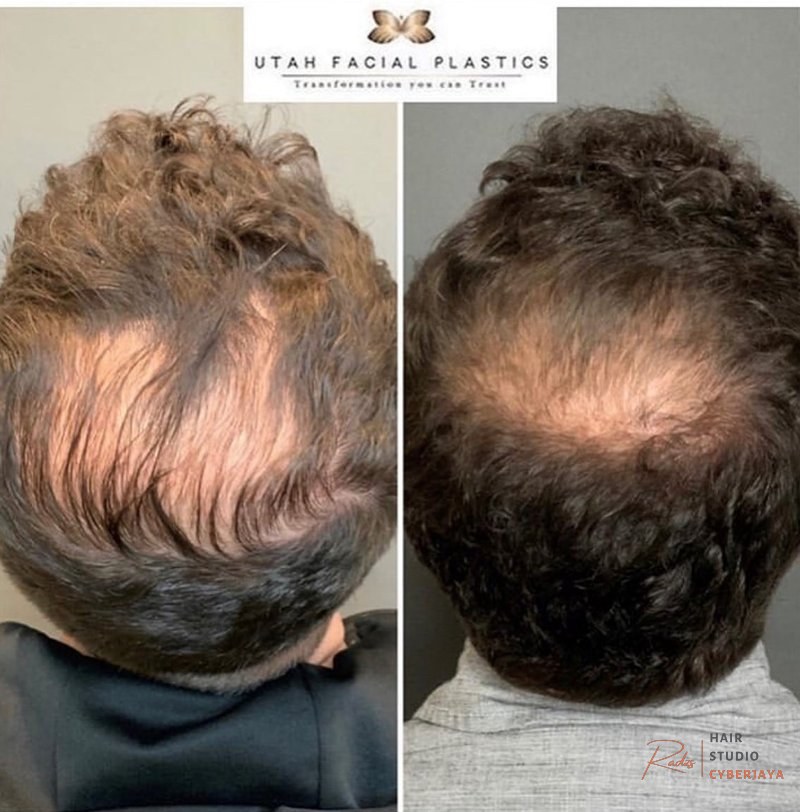
Understanding the intricacies of crown hair loss, from its various causes to the range of available treatments, is a crucial first step toward regaining control over your hair health. This guide has provided an overview of why thinning hair on the crown occurs, how to spot its early signs, and the diverse solutions available to address it. Whether you are dealing with early-stage thinning or more significant crown head hair loss, remember that effective solutions are within reach.
By integrating lifestyle adjustments, exploring both surgical and non-surgical options, and knowing when to seek professional guidance, you can actively work towards preventing further hair loss and promoting regrowth. For personalized advice and comprehensive treatment plans tailored to your unique needs, don’t hesitate to reach out to the experts. Learn more about how you can address crown hair loss effectively.
Take the proactive step towards a fuller, healthier head of hair by consulting with the skilled professionals at Radzs Hair Studio Cyberjaya today. We are committed to helping you restore your confidence and achieve the best possible results for your hair.