

When considering a hair transplant, one of the most common questions our clients at Radzs Hair Studio Cyberjaya ask is, “Do most hair transplant surgeons use manual FUE or NeoGraft?” The truth is, both manual FUE (Follicular Unit Extraction) and NeoGraft are popular and effective methods, but their adoption rates can vary based on the surgeon’s preference, experience, and the specific needs of the patient. Understanding the differences between these two techniques is crucial for making an informed decision about your hair restoration journey.
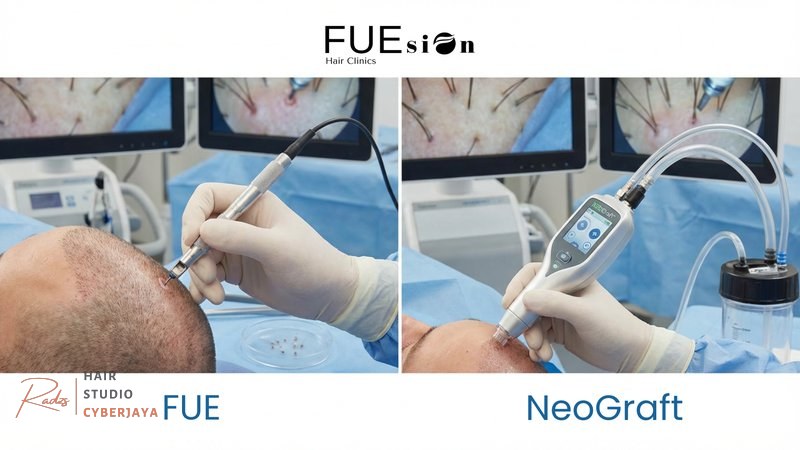
Manual FUE is a technique where a surgeon manually extracts individual hair follicles from the donor area, typically the back or sides of the head, using a small punch tool. These follicles are then meticulously transplanted to the balding areas. NeoGraft, on the other hand, is a semi-automated FUE system that uses a suction-based device to extract and implant hair follicles, aiming to reduce the manual effort and potentially speed up the procedure. Each method offers distinct advantages and considerations that we’ll explore in detail.
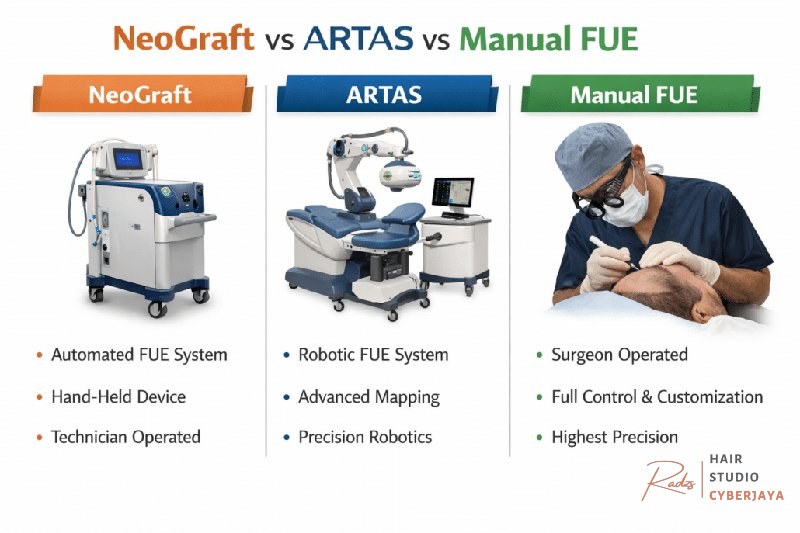
Comparing manual FUE and NeoGraft in hair transplant surgery
Both manual FUE and NeoGraft aim to achieve natural-looking hair restoration by extracting and transplanting individual follicular units. However, the execution and nuances of each method differ significantly, influencing factors like procedure time, recovery, and the surgeon’s involvement. Manual FUE relies entirely on the surgeon’s skill and precision, allowing for a highly customized approach to follicle extraction and placement.
NeoGraft, as a semi-automated system, introduces technology to assist in the extraction process, potentially leading to faster procedures. This can be appealing for some patients and clinics. Understanding these fundamental differences helps clarify why certain surgeons might lean towards one method over the other when performing hair transplants for their patients.
Manual FUE: Precision and artistry
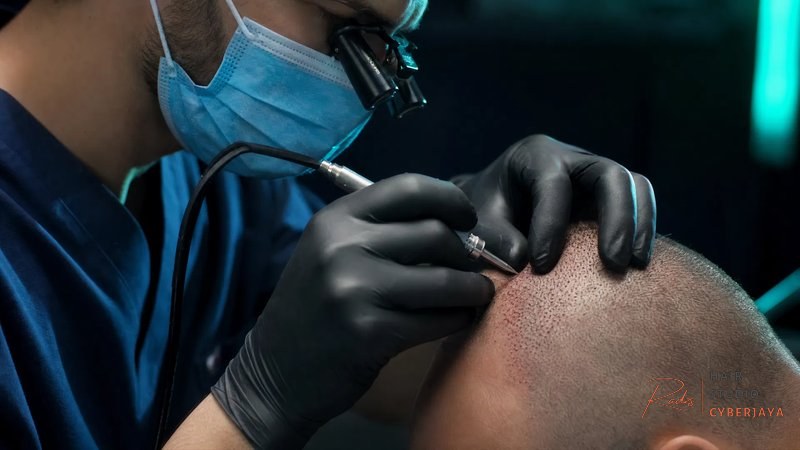
Manual FUE is often lauded for its precision and the artistic control it offers the surgeon. In this method, the surgeon individually extracts each follicular unit using a handheld punch tool, typically ranging from 0.7mm to 1.0mm in diameter. This meticulous process allows the surgeon to select the healthiest grafts and to carefully manage the density of extraction in the donor area, minimizing the risk of over-harvesting.
The manual approach requires significant skill, patience, and experience from the surgeon. It allows for greater flexibility in terms of extraction angles and depths, which can be crucial for achieving the most natural hair growth patterns. Many surgeons who prioritize detailed, bespoke results often prefer manual FUE due to this level of control and the ability to adapt to each patient’s unique hair characteristics.
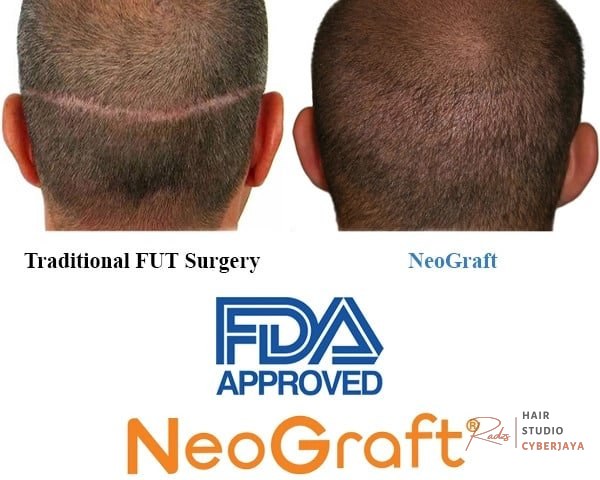
NeoGraft: Speed and consistency
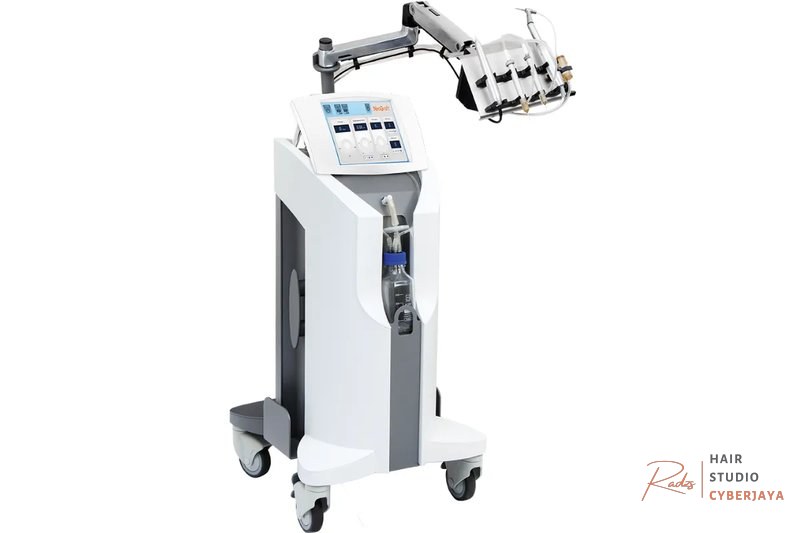
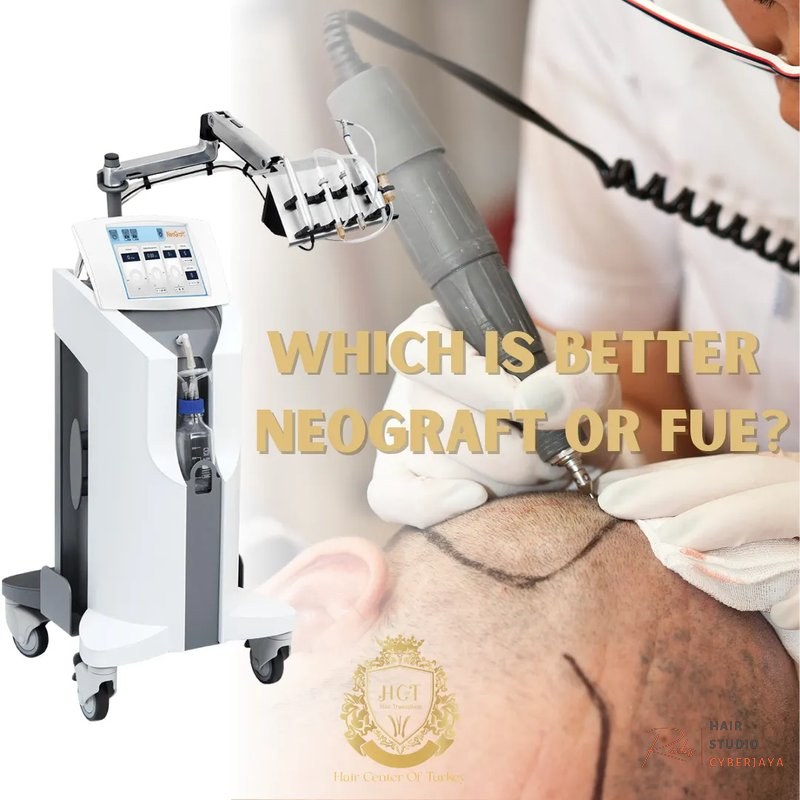
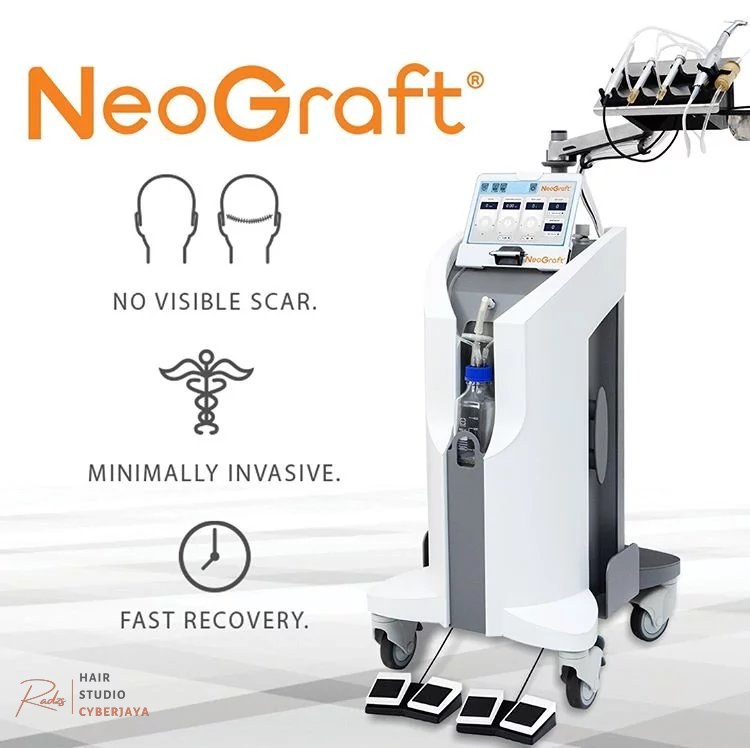
NeoGraft represents a significant advancement in FUE technology, offering a semi-automated approach to hair follicle extraction and implantation. The system uses pneumatic pressure and suction to gently remove follicular units, aiming to reduce the physical demands on the surgical team and potentially decrease the overall procedure time. This automation can lead to a more consistent graft extraction rate.
For larger transplant sessions, NeoGraft can be particularly advantageous by streamlining the process. While it automates part of the extraction, the skill of the surgeon and technicians is still vital for proper graft handling and artistic implantation. The speed and consistency offered by NeoGraft make it an attractive option for many clinics looking to optimize efficiency without compromising results.
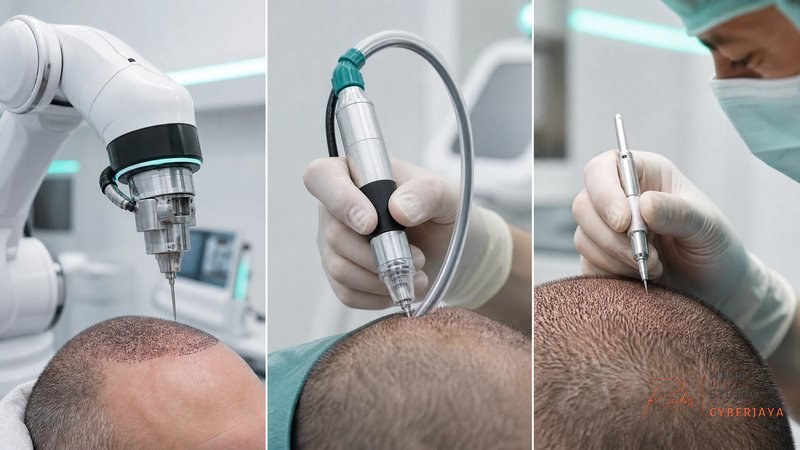
Factors influencing surgeon’s choice between manual FUE and NeoGraft
The decision of whether to use manual FUE or NeoGraft is complex and depends on several factors. Surgeons often weigh the benefits and drawbacks of each method against the specific needs and expectations of their patients. Their personal experience and training play a significant role, as some surgeons may have specialized in one technique over the other, developing a strong proficiency.
The extent of hair loss, hair type, and even the patient’s budget can also influence the surgeon’s recommendation. At Radzs Hair Studio Cyberjaya, we believe in a personalized consultation process to help you understand all available options and choose the most suitable path for your hair transplant journey.
Surgeon experience and training
The expertise of the hair transplant surgeon is paramount, regardless of the technique used. A highly skilled surgeon with extensive experience in manual FUE can achieve exceptional results, showcasing their artistic vision and meticulous execution. Similarly, a surgeon trained and proficient in operating the NeoGraft system can leverage its automation to deliver efficient and consistent outcomes.
Many surgeons develop a preference based on their comfort level and the results they consistently achieve with a particular method. Continuous education and staying updated with the latest advancements in both manual and automated techniques are crucial for any reputable hair transplant professional. This dedication ensures that they can offer the best possible care to their patients.
Patient-specific considerations
Every patient’s hair loss situation is unique, and this individuality heavily influences the choice between manual FUE and NeoGraft. Factors such as the density and quality of the donor hair, the extent of baldness, and the patient’s desired hair density and hairline design all play a role. For instance, patients with very fine or curly hair might benefit more from the precision of manual FUE, which allows for delicate handling of grafts.
Conversely, patients requiring a large number of grafts for extensive balding might find NeoGraft appealing due to its efficiency and reduced procedure time. During your consultation, your surgeon will carefully assess these personal factors to recommend the technique that is most likely to yield the best and most natural-looking results for you.
Cost and recovery expectations
The financial aspect and recovery period are also important considerations for patients. The cost of a hair transplant can vary significantly between manual FUE and NeoGraft, often depending on the number of grafts required and the clinic’s pricing structure. Generally, manual FUE might be perceived as more labor-intensive and potentially command a higher price per graft due to the surgeon’s direct involvement.
NeoGraft, while using advanced technology, can sometimes be more cost-effective for larger sessions due to its efficiency. Both methods typically involve similar recovery times, with small scabs forming in the donor and recipient areas that heal within a week or two. Patients should discuss these financial and recovery aspects thoroughly with their surgeon to ensure clarity and manage expectations.
The current landscape of hair transplant techniques
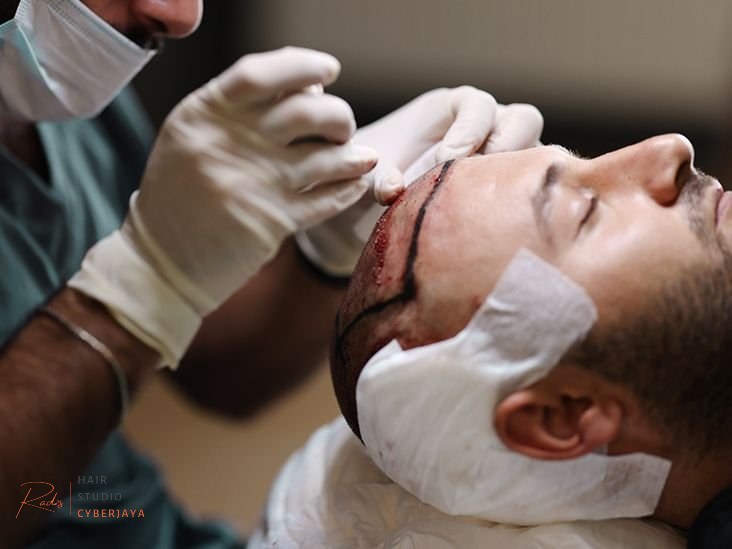
The field of hair transplantation is continuously evolving, with new technologies and refined techniques emerging regularly. While manual FUE and NeoGraft remain foundational, other automated and robotic systems, such as ARTAS, are also gaining traction. The trend in hair restoration points towards a blend of advanced technology and refined surgical artistry to achieve optimal outcomes.
Many clinics, including Radzs Hair Studio, offer a range of options to cater to diverse patient needs. The ultimate goal is always to restore hair density and create a natural-looking hairline that complements the individual’s facial features. Understanding the current landscape helps patients make informed decisions about their treatment.
The rise of automated and robotic FUE
Beyond NeoGraft, the advent of fully automated and robotic FUE systems, like ARTAS, has further transformed the hair transplant landscape. These systems utilize sophisticated imaging and robotic arms to precisely identify and extract follicular units, minimizing human error and standardizing the extraction process. Robotic FUE can significantly increase the speed of graft harvesting, especially for large sessions.
However, the implantation phase often still benefits from human intervention for artistic placement. While these technologies offer impressive efficiency and consistency, the human element of surgical planning and aesthetic design remains irreplaceable. The choice between manual, semi-automated (NeoGraft), or fully robotic FUE depends on the surgeon’s expertise and the specific patient case.
Hybrid approaches and personalized treatment plans
Increasingly, hair transplant clinics are adopting hybrid approaches, combining the best aspects of different techniques to create highly personalized treatment plans. For example, a surgeon might use a semi-automated system like NeoGraft for efficient graft extraction and then employ manual techniques for precise incision making and implantation to ensure a natural hairline and density.
This tailored approach allows for maximum flexibility and optimizes results by leveraging the strengths of various methods. At Radzs Hair Studio, we emphasize creating individualized plans that address each patient’s unique goals and hair loss patterns, ensuring the most effective and aesthetically pleasing outcome. The ultimate decision is always made in consultation with the patient, taking into account their preferences and concerns.
Making the right choice for your hair transplant
Choosing between manual FUE and NeoGraft, or any other hair transplant method, is a significant decision. It requires careful consideration of various factors, including the surgeon’s expertise, your specific hair loss condition, and your desired outcome. The goal is to achieve a natural, permanent solution to hair loss that enhances your appearance and confidence.
Consulting with experienced professionals who can provide a thorough assessment and explain all available options is crucial. They can help you understand the nuances of each technique and guide you towards the choice that best suits your individual needs and expectations. We encourage you to seek detailed information and ask all your questions before committing to a procedure.
Consulting with a qualified hair transplant specialist
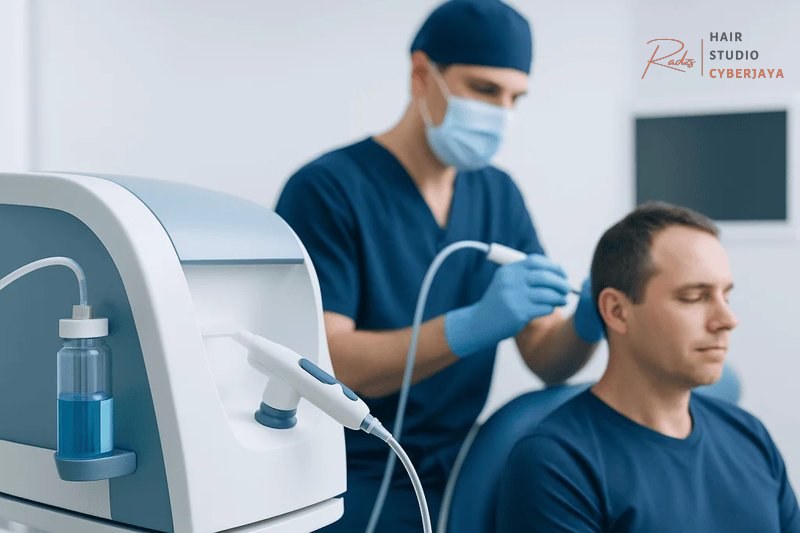
The first and most critical step in your hair transplant journey is to schedule a consultation with a board-certified and experienced hair transplant specialist. During this consultation, the specialist will evaluate your hair loss pattern, assess your donor area, and discuss your aesthetic goals. They will explain the pros and cons of manual FUE, NeoGraft, and any other relevant techniques, tailoring the information to your specific case.
A good specialist will also provide realistic expectations regarding the results, recovery process, and potential costs. Do not hesitate to ask questions about their experience, the number of procedures they have performed, and to view before-and-after photos of their previous patients. This comprehensive approach ensures you are well-informed and comfortable with your decision.
Understanding realistic outcomes and expectations
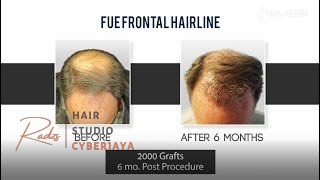
While hair transplant technology has advanced significantly, it’s essential to have realistic expectations about the outcomes. A successful hair transplant can dramatically improve your appearance and confidence, but it’s not a magical cure for all forms of hair loss. The transplanted hair will grow naturally, but the overall density will depend on the available donor hair and the skill of the surgeon.
It’s also important to remember that it takes time to see the full results of a hair transplant. New hair growth typically begins a few months after the procedure, with full results becoming visible after 12 to 18 months. Your specialist will guide you through this timeline and provide detailed post-operative care instructions to ensure the best possible results and a smooth recovery.
| Feature | Manual FUE | NeoGraft FUE |
|---|---|---|
| Method of Extraction | Manual handheld punch tool | Semi-automated suction device |
| Surgeon Involvement | High (direct manual extraction and implantation) | Moderate (supervises automated extraction, implants manually) |
| Procedure Speed | Generally slower, highly dependent on surgeon skill | Generally faster, especially for larger sessions |
| Graft Damage Risk | Low with skilled surgeon, higher with less experienced | Low due to gentle pneumatic pressure and suction |
| Cost | Can be higher per graft due to intensive labor | Potentially more cost-effective for large sessions due to efficiency |
| Precision | High, allows for fine-tuning of angles and depths | Good, but slightly less manual control over each graft’s angle |
Frequently Asked Questions About Hair Transplant Methods
What are the main advantages of manual FUE over NeoGraft?
Manual FUE offers surgeons superior precision and artistic control during the extraction process. This allows for meticulous selection of grafts and careful management of the donor area, potentially leading to more customized and natural-looking results, especially for patients with unique hair characteristics or specific hairline designs.
Is NeoGraft more expensive than manual FUE?
The cost of NeoGraft versus manual FUE can vary. While NeoGraft involves advanced technology, its efficiency might make it more cost-effective for larger hair transplant sessions. Manual FUE, due to its labor-intensive nature, might be priced higher per graft. It’s best to consult your clinic for a precise quote based on your needs.
How long is the recovery time for both manual FUE and NeoGraft?
The recovery time for both manual FUE and NeoGraft is quite similar. Patients can expect small scabs to form in both the donor and recipient areas, which typically heal within one to two weeks. Most patients can return to their normal activities within a few days, though strenuous exercise should be avoided for a few weeks.
Can I combine manual FUE and NeoGraft in one procedure?
Some clinics, including Radzs Hair Studio, may offer hybrid approaches that combine aspects of different techniques to optimize results. For instance, a surgeon might use NeoGraft for efficient graft extraction and then perform manual implantation for artistic precision. This personalized strategy ensures the best possible outcome for your unique hair restoration needs.
Which method provides the most natural-looking results?
Both manual FUE and NeoGraft can deliver excellent, natural-looking results when performed by a skilled and experienced surgeon. The naturalness of the outcome depends more on the surgeon’s artistry, planning, and meticulous graft placement rather than solely on the extraction method used. A thorough consultation will help determine the best approach for your desired aesthetic.
In conclusion, when asking, “do most hair transplant surgeons use manual FUE or NeoGraft?”, the answer isn’t a simple one. Both methods are widely utilized, each with its unique advantages and considerations. Manual FUE is favored for its precision and artistic control, while NeoGraft offers efficiency and consistency through semi-automation. The best choice ultimately depends on the surgeon’s expertise, the patient’s individual needs, and the specific goals of the hair transplant.
We hope this detailed exploration helps you understand the intricacies of these popular hair transplant techniques. For a personalized consultation and to discuss which method is ideal for you, we invite you to visit Radzs Hair Studio Cyberjaya. Our experienced team is dedicated to providing you with the highest quality care and helping you achieve your hair restoration goals. Contact us today to learn more about do most hair transplant surgeons use manual FUE or NeoGraft and embark on your journey to fuller, healthier hair.