

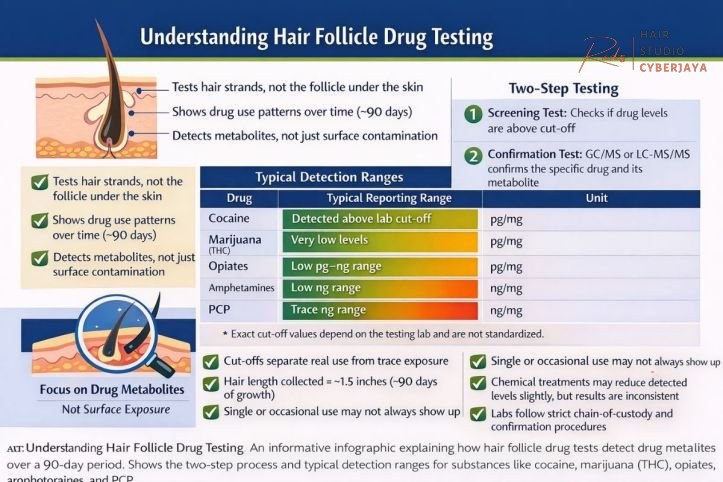
Understanding a hair follicle test results levels chart can be a complex but crucial task, especially when the outcomes can significantly impact an individual’s life. A standard hair follicle drug test typically identifies drug use up to approximately 90 days by analyzing a 1.5-inch segment of scalp hair. This method offers a wider detection window compared to other testing approaches, making it a preferred choice for many organizations and legal entities. At Radzs Hair Studio Cyberjaya, while we focus on maintaining the health and beauty of your hair, we also believe in providing comprehensive information related to various aspects of hair science.
This detailed guide will break down the intricacies of hair follicle test results, explaining what specific levels mean for different substances like drugs, steroids, and alcohol. We will explore the standard cutoff levels, how results are interpreted, and what factors can influence these findings. Our aim is to demystify the hair follicle test results levels chart, offering clarity and insights into this sophisticated testing method.
The Science Behind Hair Follicle Testing

Hair follicle testing is a highly accurate method for detecting substance use over an extended period. When a person consumes drugs or alcohol, these substances, along with their metabolites, enter the bloodstream. As hair grows, these compounds become incorporated into the hair shaft, effectively creating a historical record of substance use. The hair sample, typically taken from the scalp, is then sent to a laboratory for analysis.
Laboratory technicians meticulously prepare the hair sample, often washing it to remove external contaminants before extracting the drug metabolites. These extracts are then analyzed using advanced techniques such as gas chromatography-mass spectrometry (GC-MS) or liquid chromatography-tandem mass spectrometry (LC-MS/MS). These methods can accurately identify and quantify the specific substances present in the hair. This comprehensive process ensures reliable results, offering a detailed insight into an individual’s past substance use patterns.
Interpreting Hair Follicle Drug Test Results

Interpreting a hair follicle test results levels chart involves understanding the specific cutoff levels established for various substances. These cutoff levels are crucial for distinguishing between incidental exposure and actual drug use. Laboratories adhere to guidelines set by professional organizations, such as the Society of Hair Testing (SoHT), to ensure consistency and accuracy in reporting.
A “negative” result means that no drugs or drug metabolites were detected, or that the detected levels were below the established cutoff. A “positive” result indicates that the substance was found at or above the cutoff level. It is important to note that a detected level, especially if close to the cutoff, may require further confirmation to rule out external contamination. Understanding these nuances is key to accurately interpreting the hair follicle test results levels chart.
Common Drug Panels and Cutoff Levels

Most hair follicle drug tests screen for a panel of common illicit drugs. These typically include cannabinoids (marijuana), cocaine, amphetamines (including methamphetamine and MDMA), opiates (such as heroin, morphine, and codeine), and phencyclidine (PCP). Each substance has its own specific cutoff level, measured in picograms per milligram (pg/mg) of hair.
For example, a common initial cutoff for cocaine might be 500 pg/mg, with a confirmatory cutoff of 50 pg/mg. For marijuana, the initial cutoff for the metabolite THC-COOH might be 1.0 pg/mg, with a confirmatory cutoff of 0.05 pg/mg. These levels are set to minimize false positives while accurately identifying regular users. The hair follicle test results levels chart will detail these thresholds, helping to clarify the meaning of each result.

Alcohol and Steroid Detection in Hair

Beyond illicit drugs, hair follicle tests can also detect chronic alcohol use and the presence of certain steroids. For alcohol, markers like ethyl glucuronide (EtG) and fatty acid ethyl esters (FAEEs) are analyzed. These markers accumulate in the hair over time, indicating repeated alcohol consumption rather than a single instance. The cutoff levels for alcohol markers are typically expressed in ng/mg or pg/mg.
Similarly, anabolic steroids can be detected in hair, offering a valuable tool for anti-doping agencies and sports organizations. The detection of steroids in hair provides a longer detection window compared to urine or blood tests, making it effective for uncovering long-term steroid use. The hair follicle test results levels chart for steroids will list various compounds and their respective thresholds, helping to identify illicit use.
Factors Influencing Hair Follicle Test Results

Several factors can potentially influence the accuracy and interpretation of hair follicle test results. While the testing method is highly reliable, it is essential to consider these variables to ensure a precise understanding of the hair follicle test results levels chart.
One significant factor is external contamination. Environmental exposure to drug particles, such as from passive smoking or contact with contaminated surfaces, could theoretically lead to the presence of substances on the hair shaft. However, laboratories typically employ washing procedures and specific cutoff levels for metabolites to differentiate between external contamination and actual ingestion. These measures are designed to reduce the likelihood of false positives from environmental exposure.

Hair Treatments and Their Impact
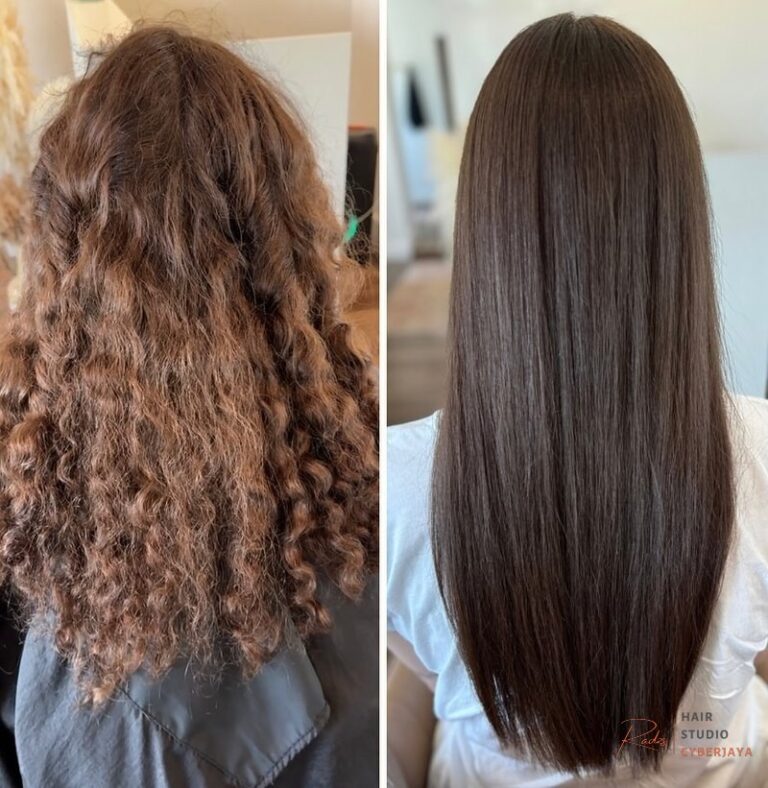
Hair treatments, such as bleaching, dyeing, perming, or straightening, can sometimes affect hair follicle test results. These chemical processes can alter the hair structure, potentially reducing the concentration of drug metabolites present. This reduction can sometimes lead to lower detected levels or even false negatives if the treatment is extensive enough.
However, most laboratories are aware of this possibility and take it into account during their analysis. Some may even have protocols to adjust interpretation for chemically treated hair. It is crucial for individuals undergoing hair follicle testing to disclose any recent hair treatments to the collection specialist, as this information can be vital for accurate interpretation of the hair follicle test results levels chart.
Hair Growth Rate and Sample Collection
The rate of hair growth is another important factor. On average, human head hair grows about 0.5 inches (1.27 cm) per month. This consistent growth rate allows for the 90-day detection window when a 1.5-inch segment of hair is collected. Variations in individual hair growth rates can slightly alter this window, but the standard measurement provides a generally reliable timeframe.
Proper sample collection is paramount for accurate results. Technicians customarily collect approximately 100 strands of hair that are cut next to the scalp. If head hair is unavailable, body hair can be used, though it may provide a longer detection window due to slower growth rates. Ensuring the sample is collected correctly and labeled accurately is crucial for the integrity of the hair follicle test results levels chart analysis.

What a Detected Level Can and Cannot Prove
A detected level on a hair follicle test results levels chart can prove that a substance was present in the individual’s system within the detection window. It provides strong evidence of drug or alcohol consumption, especially when the levels are significantly above the established cutoff points. This objective data is valuable for various applications, including employment screening, legal cases, and probation monitoring.
However, a detected level on its own generally cannot prove the exact date or frequency of use. While the hair segment provides a timeframe, it doesn’t offer a day-by-day breakdown. It also cannot definitively prove impairment at a specific time, as the test only shows the presence of substances, not their immediate physiological effects. This distinction is crucial for a balanced interpretation of the results.
Limitations and Considerations
While hair follicle testing is highly effective, it has certain limitations. For instance, it is not suitable for detecting very recent drug use, as it takes approximately 5-7 days for drugs to grow into the hair shaft after consumption. For immediate detection, other methods like urine or blood tests are more appropriate. Additionally, some rare hair types or conditions might affect the incorporation of metabolites, though this is uncommon.
The Society of Hair Testing (SoHT) provides recommended cut-off levels for both drugs and alcohol markers to identify chronic (repeated) use, reinforcing the idea that these tests are designed to detect patterns rather than isolated incidents. Navigating the nuances of the hair follicle test results levels chart requires expertise and a comprehensive understanding of these limitations. For accurate and reliable hair care services and information, consider consulting with experts like those at Radzs Hair Studio Cyberjaya.

Frequently Asked Questions About Hair Follicle Test Results Levels Chart
How accurate is a hair follicle drug test?
Hair follicle drug tests are highly accurate, with a low false-positive rate. They are considered one of the most reliable methods for detecting substance use over an extended period, offering a detection window of up to 90 days. This accuracy makes them a preferred choice for many screening programs.
What is the detection window for a hair follicle test?
The standard detection window for a hair follicle drug test is approximately 90 days. This is achieved by analyzing a 1.5-inch segment of scalp hair, as head hair generally grows about 0.5 inches per month. Body hair can extend this window due to slower growth rates.
Can hair treatments affect test results?
Yes, certain hair treatments like bleaching, dyeing, or perming can potentially reduce the concentration of drug metabolites in the hair. However, laboratories often employ washing procedures and specific cut-off levels to account for these variables and maintain accuracy.
What do pg/mg and ng/mg mean in test results?
Pg/mg stands for picograms per milligram, and ng/mg stands for nanograms per milligram. These units are used to quantify the concentration of drug metabolites or alcohol markers found in the hair sample. They represent extremely small amounts, indicating high sensitivity in testing.
How long are positive test result reports kept on file?
Laboratory policies vary, but positive hair test results and reports are typically kept on file for several years, often up to two years. Negative hair samples are usually stored for a shorter period, such as one month, before being discarded.
Conclusion
Understanding the intricacies of the hair follicle test results levels chart is essential for anyone undergoing or administering such tests. We have explored the scientific basis, interpretation of results for drugs, alcohol, and steroids, and the various factors that can influence the outcomes. This comprehensive overview highlights the reliability and broad detection window of hair follicle testing, making it a valuable tool for identifying substance use over an extended period.
While the test provides robust evidence of substance presence, it is important to remember its limitations regarding the precise timing or level of impairment. By demystifying the hair follicle test results levels chart, we aim to provide clarity and empower individuals with knowledge. For professional hair care advice and services, trust Radzs Hair Studio Cyberjaya to keep your hair healthy and vibrant.