
Experiencing hair loss can be incredibly distressing, and many factors contribute to it, from genetics to stress. However, one often-overlooked culprit could be an iron deficiency. Hair loss iron tablets can indeed be an effective solution if your hair shedding is linked to low iron levels. At Radzs Hair Studio Cyberjaya, we understand the importance of holistic hair care, and that includes addressing nutritional deficiencies that impact your hair’s health. This article will delve into how iron supplements can combat hair loss, how long it takes to see results, and what to look for in the best iron tablets for hair growth.
Understanding the connection between iron deficiency and hair loss
Iron plays a vital role in numerous bodily functions, including oxygen transport and DNA synthesis. For hair, iron is crucial for producing hemoglobin, a protein in red blood cells that carries oxygen to cells, including those responsible for hair growth. When your body lacks sufficient iron, it can’t produce enough hemoglobin, leading to reduced oxygen supply to the hair follicles. This deprivation can weaken hair strands, slow down growth, and ultimately cause excessive shedding and thinning. Identifying and addressing this deficiency with hair loss iron tablets is a critical step towards restoring your hair’s vitality.
A common form of iron deficiency is anemia, but even without full-blown anemia, low ferritin levels (the protein that stores iron) can impact hair health. Many people experience hair thinning and loss long before they are diagnosed with clinical anemia. Therefore, if you’re noticing significant hair loss, it’s always advisable to consult a healthcare professional to check your iron levels, including ferritin. They can help determine if hair loss iron tablets are a suitable course of action for you and recommend the appropriate dosage.
How iron tablets for hair loss work
When you take iron tablets for hair loss, you’re essentially replenishing your body’s iron stores. This helps to increase hemoglobin production, ensuring that your hair follicles receive the oxygen and nutrients they need to function optimally. As your iron levels normalize, you’ll start to notice a reduction in hair shedding and an improvement in hair texture and growth. It’s a gradual process, but consistent supplementation can lead to significant positive changes. The key is to be patient and diligent with your supplement regimen as prescribed by your doctor.
The effectiveness of iron tablets for hair loss largely depends on the severity of your deficiency and how consistently you take them. They provide the foundational nutrient that your hair follicles need to thrive, allowing them to move out of the resting phase and back into the active growth phase. This fundamental support is why many individuals find success in managing hair loss related to iron deficiency through supplementation. Moreover, combining iron supplementation with a balanced diet rich in iron-rich foods can further enhance the results, providing a comprehensive approach to hair health.
How long do iron tablets take to stop hair loss?
The question of how long iron tablets take to stop hair loss is a common one, and the answer can vary significantly among individuals. Generally, it takes time for your body to rebuild its iron stores and for the effects to manifest in your hair. Most people start to notice a reduction in hair shedding within 2-3 months of consistent supplementation. However, for visible hair regrowth, it often takes longer, typically 3-6 months, or even up to a year, as hair growth is a slow process.
It’s crucial to understand that hair has a growth cycle, and new hair needs time to emerge and strengthen. While the iron tablets begin working internally to restore your iron levels, it takes several weeks for the hair follicles to respond and for new, healthier hair to start growing. Therefore, patience and consistency are key when using iron tablets for hair loss. Regular follow-up appointments with your doctor to monitor your iron levels are also essential to ensure you are on the right track and adjust your dosage if necessary.

Factors influencing the timeline of hair loss iron tablets
Several factors can influence how quickly you see results from hair loss iron tablets. The severity of your iron deficiency is a primary determinant; individuals with more severe deficiencies may take longer to replenish their stores. Your body’s absorption rate of iron also plays a significant role, which can be affected by other medications, diet, and certain medical conditions. Additionally, combining iron supplementation with a balanced diet rich in other hair-healthy nutrients can accelerate the process. A holistic approach that addresses all potential deficiencies and promotes overall health will yield the best and fastest results. Consulting with a healthcare provider can help tailor a plan that considers these individual factors.
Your overall health and lifestyle habits can also impact the effectiveness of iron tablets for hair loss. Stress, poor diet, lack of sleep, and certain medical conditions can all impede hair growth and nutrient absorption. Therefore, adopting a healthy lifestyle alongside iron supplementation can significantly enhance the speed and quality of your results. Remember, Radzs Hair Studio Cyberjaya is here to support you in your hair health journey, offering advice and services that complement your efforts to combat hair loss effectively.

Choosing the best iron tablets for hair growth
Selecting the best iron tablets for hair growth involves more than just picking any supplement off the shelf. Different forms of iron are absorbed differently by the body, and some formulations include additional ingredients that can enhance efficacy or reduce side effects. Ferrous sulfate is a commonly prescribed and effective form of iron, but it can sometimes cause digestive upset. Newer forms, such as ferrous bisglycinate, are often gentler on the stomach and may be better absorbed. Always prioritize iron supplements that are gentle on your digestive system to ensure consistent intake and maximum benefit.
Beyond the form of iron, consider supplements that include co-factors like Vitamin C. Vitamin C significantly enhances iron absorption, making your iron tablets more effective. Some specialized hair growth supplements also combine iron with other hair-supporting nutrients like biotin, zinc, and B vitamins. These comprehensive formulations can provide a multi-faceted approach to addressing hair loss and promoting overall hair health. Always read labels carefully and consult with a healthcare professional to determine the most suitable iron supplement for your specific needs, especially if you have existing health conditions or are taking other medications.

Key ingredients to look for in iron supplements
When searching for the best iron supplement for hair loss, pay attention to the specific type of iron and any additional ingredients. As mentioned, ferrous bisglycinate is often recommended for its gentle nature and good absorption. Beyond iron, vitamin C is a must-have companion, as it significantly boosts iron uptake. Folate (Vitamin B9) and Vitamin B12 are also important for red blood cell production, further supporting the iron’s role in oxygen delivery to hair follicles. Some supplements include biotin, a popular vitamin known for its role in hair, skin, and nail health, though its direct impact on iron-related hair loss is less direct.
Ingredients like collagen, silica, and zinc can also be beneficial as they contribute to the overall strength and health of hair strands. Collagen provides amino acids essential for hair protein, while silica can improve hair elasticity and prevent breakage. Zinc plays a role in hair tissue growth and repair, as well as maintaining the oil glands around hair follicles. Look for reputable brands that provide transparent ingredient lists and ideally, third-party testing for purity and potency. This diligence ensures you are getting a high-quality product that will effectively support your hair growth journey.

Comparing popular iron tablets for hair growth
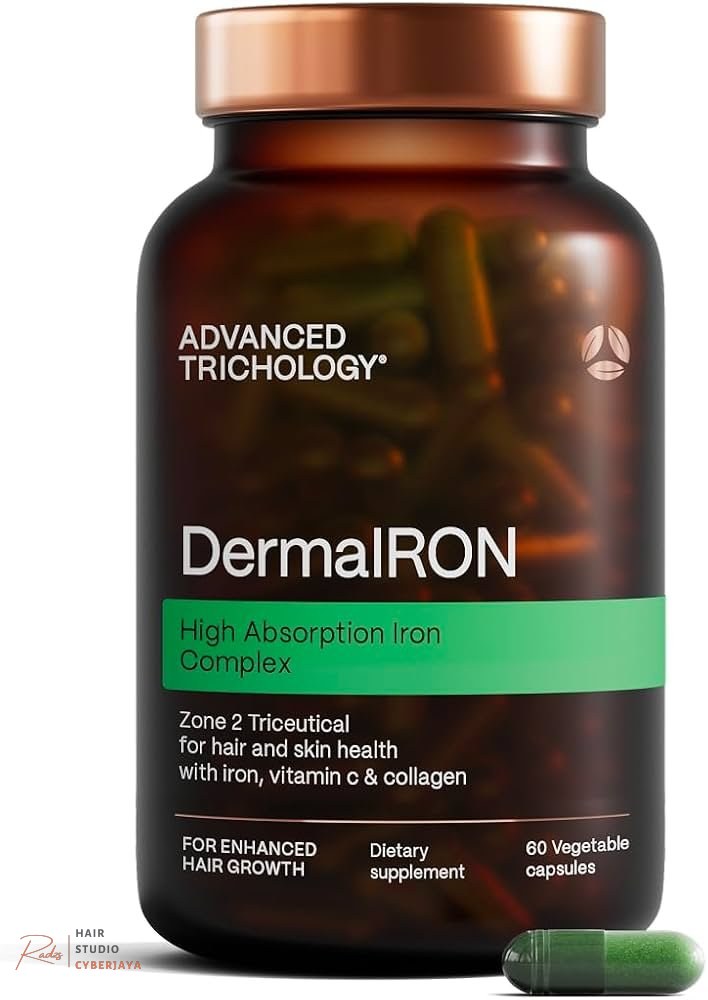
When comparing different iron tablets for hair growth, it’s helpful to look at their specific formulations, dosages, and user reviews. Some brands, like DermaIRON, are explicitly marketed for hair thinning and loss, often including complementary nutrients like collagen and Vitamin C to support hair health comprehensively. Other general iron supplements, such as Thorne Research Iron Bisglycinate, focus purely on providing a highly absorbable form of iron with minimal digestive side effects. The “best” choice will depend on your individual needs, including the severity of your deficiency, your sensitivity to iron, and whether you prefer an all-in-one hair supplement or a pure iron product.
Consider the dosage per tablet and how many tablets are recommended daily, as this impacts compliance and overall iron intake. Always prioritize products from reputable manufacturers that adhere to strict quality control standards. Reading customer reviews can also provide valuable insights into real-world effectiveness and potential side effects, although individual experiences may vary. Ultimately, the most effective approach is to discuss your options with a healthcare provider who can recommend a supplement tailored to your specific health profile and hair loss concerns.

| Iron Supplement Brand | Key Ingredients | Target Audience | Potential Benefits for Hair | Considerations |
|---|---|---|---|---|
| DermaIRON | Ferrous bisglycinate, Vitamin C, Collagen | Women & Men with hair thinning/loss | Enhanced iron absorption, improved hair strength & growth, skin health | Comprehensive formula, potentially higher cost |
| Thorne Research Iron Bisglycinate | Ferrous bisglycinate | Individuals with iron deficiency looking for gentle option | High absorption, gentle on stomach, effective iron replenishment | Pure iron, no additional hair-specific nutrients |
| HairMedic HairIron | Iron (specific form not always detailed), B-vitamins, Zinc | Individuals focused solely on hair health | Supports hair follicle health, reduces shedding, promotes growth | May require additional research on specific iron form |
| Solgar Gentle Iron | Iron bisglycinate | Those with sensitive stomachs | Non-constipating, high bioavailability | Pure iron, may need additional supplements for hair co-factors |

Potential side effects and precautions with hair loss iron tablets
While hair loss iron tablets can be highly effective, it’s important to be aware of potential side effects and necessary precautions. The most common side effects include gastrointestinal issues such as constipation, nausea, stomach cramps, and dark stools. These can often be mitigated by starting with a lower dose, taking the supplement with food, or switching to a gentler form of iron like ferrous bisglycinate. Ensuring adequate fluid intake and a fiber-rich diet can also help alleviate constipation. If side effects are persistent or severe, always consult your doctor for advice on adjusting your regimen or exploring alternative options.
Iron overdose can be dangerous, leading to serious health problems, so it’s crucial to stick to the prescribed dosage and keep iron supplements out of reach of children. Iron can also interact with certain medications, including antacids, antibiotics, and thyroid hormones, potentially reducing their effectiveness or increasing side effects. Always inform your doctor about all medications and supplements you are taking before starting iron tablets. Regular blood tests to monitor your iron levels are essential to prevent both deficiency and overload, ensuring you maintain a healthy balance for optimal hair and overall health.

When to consult a doctor before taking iron tablets
Before you start taking hair loss iron tablets, it’s highly recommended to consult a doctor or a qualified healthcare professional. Self-diagnosing an iron deficiency and self-prescribing supplements can be risky, as hair loss can stem from various causes, and excessive iron intake can be harmful. A doctor can perform blood tests to accurately assess your iron levels, including ferritin, to confirm if an iron deficiency is indeed contributing to your hair loss. This diagnostic step is crucial to ensure that iron supplementation is the right treatment for you.
Furthermore, consulting a doctor is essential if you have any pre-existing medical conditions, such as hemochromatosis (a condition of iron overload), gastrointestinal disorders, or if you are pregnant or breastfeeding. They can also advise on the appropriate dosage, the best form of iron for your body, and potential interactions with other medications you might be taking. A professional assessment ensures that your treatment plan is safe, effective, and tailored to your individual health needs, maximizing the benefits for your hair while minimizing risks.

Frequently asked questions about hair loss iron tablets
What are the signs of iron deficiency hair loss?
Common signs of iron deficiency hair loss include overall thinning of hair, increased shedding when brushing or washing, and slower hair growth. You might also notice other symptoms like fatigue, pale skin, brittle nails, and shortness of breath.
Can hair loss iron tablets cause side effects?
Yes, hair loss iron tablets can cause side effects such as constipation, nausea, stomach cramps, and dark stools. These can often be minimized by taking iron with food or choosing a gentle form like ferrous bisglycinate.
How much iron should I take for hair loss?
The appropriate dosage of iron for hair loss depends on the severity of your deficiency. It’s crucial to consult a doctor who can perform blood tests and recommend a personalized dosage, as excessive iron can be harmful.
Are there any foods that can help with iron-related hair loss?
Yes, incorporating iron-rich foods into your diet can support iron-related hair loss treatment. Excellent sources include red meat, poultry, fish, beans, lentils, spinach, fortified cereals, and dried fruits. Pairing these with Vitamin C-rich foods can enhance absorption.
When will I see results from taking iron tablets for hair loss?
You may notice a reduction in hair shedding within 2-3 months of consistent iron supplementation. For visible hair regrowth, it typically takes longer, usually 3-6 months, or sometimes up to a year, as hair growth is a gradual process.

Conclusion
Addressing hair loss caused by iron deficiency with hair loss iron tablets can be a highly effective path to regaining healthy, strong hair. By replenishing your body’s iron stores, you provide your hair follicles with the essential oxygen and nutrients they need to thrive, leading to reduced shedding and renewed growth. While it requires patience and consistency, typically showing results within 3-6 months, the impact on your hair health can be transformative. Choosing the best iron tablets for hair growth involves understanding the different forms of iron, looking for complementary nutrients like Vitamin C, and always consulting with a healthcare professional to ensure safe and effective treatment.
We hope this comprehensive guide has shed light on the vital role of iron in hair health and how targeted supplementation can help combat hair loss. At Radzs Hair Studio Cyberjaya, we believe in empowering our clients with knowledge and solutions for their hair care needs. If you’re experiencing hair loss, consider discussing your iron levels with a doctor and exploring how iron supplements could be a beneficial part of your hair recovery journey.