

For many, changing hair color is a fun and exciting way to express personal style. However, a common question we hear at Radzs Hair Studio Cyberjaya is, “how often can u dye ur hair?” Generally, you can safely dye your hair every 4-8 weeks, depending on the type of dye, your hair’s condition, and the specific coloring process involved. Understanding the right frequency is crucial for maintaining both vibrant color and healthy hair. Our guide will help you navigate the world of hair coloring and ensure your locks remain beautiful and strong.
Hair dyeing practices vary widely, influenced by factors such as the chemicals used, individual hair type, and desired outcome. It’s not a one-size-fits-all answer, as what works for one person might be detrimental to another. That’s why seeking professional advice is always recommended.
Understanding Different Hair Dye Types and Their Frequencies
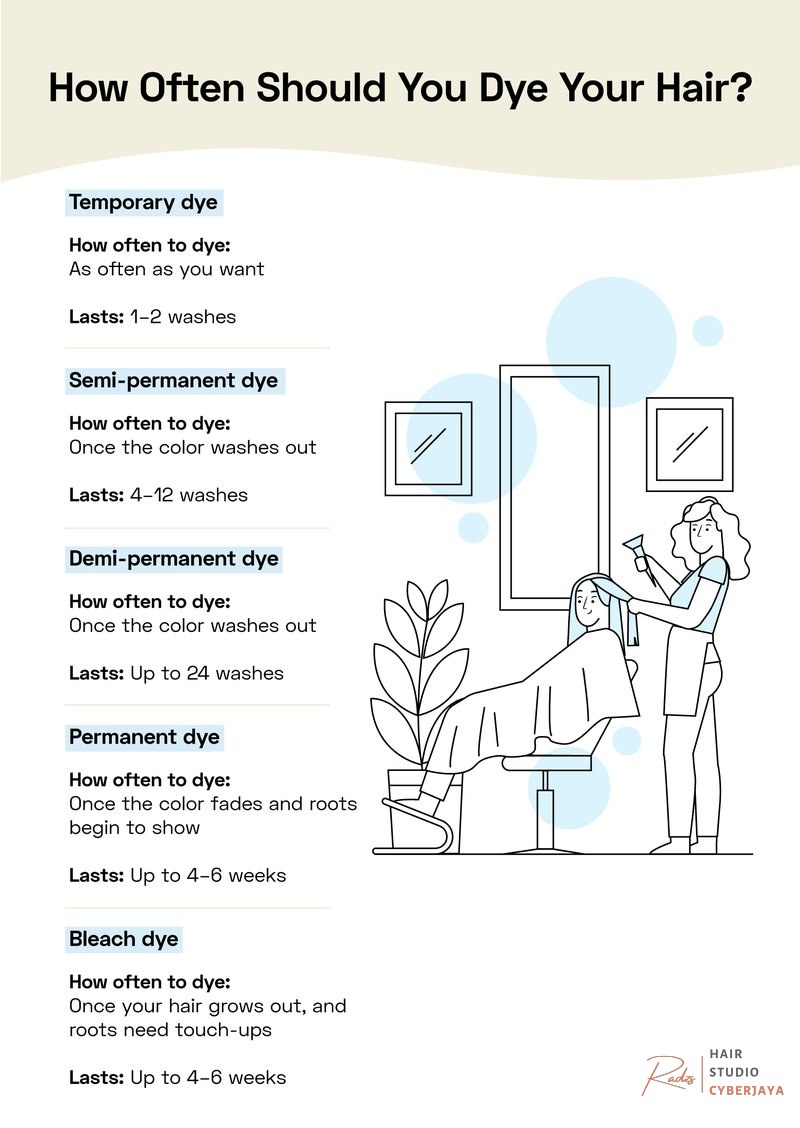
The type of hair dye you choose significantly influences how often you can dye your hair. Each category of dye has a different impact on your hair’s structure and requires varying waiting periods between applications. Knowing these differences helps prevent damage and ensures your hair remains healthy and strong.
From temporary rinses to permanent color, the chemicals involved and their penetration into the hair shaft differ greatly. This means that a gentle, semi-permanent dye allows for more frequent application compared to a harsh, permanent color or bleaching treatment. Understanding these nuances is essential for making informed decisions about your hair care routine.
Temporary and Semi-Permanent Dyes Allow More Frequent Applications
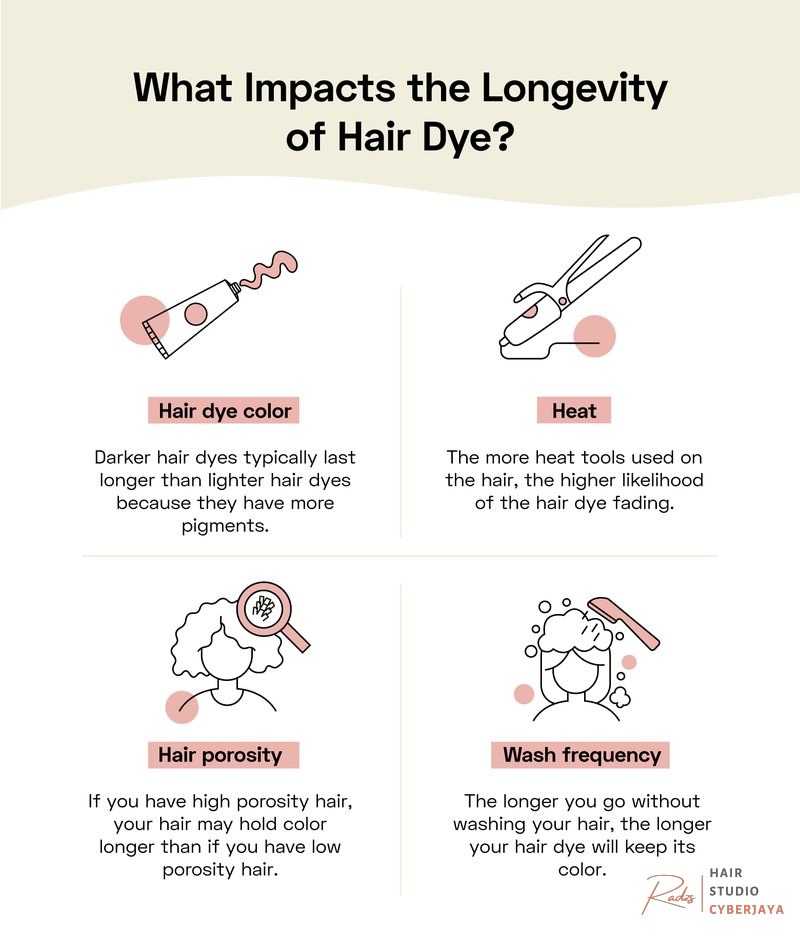
Temporary and semi-permanent dyes are fantastic options if you love to change your look often. These dyes typically coat the outside of the hair shaft or penetrate only slightly, meaning they fade more quickly and cause minimal damage. You can often apply these types of dyes more frequently without significant risk to your hair’s health.
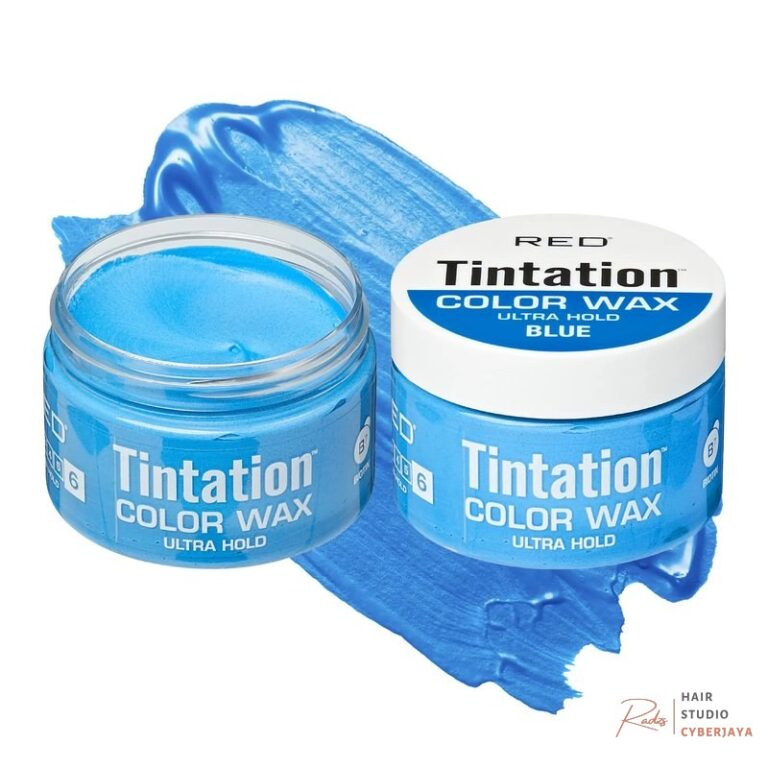
For temporary hair color, which washes out in 1-2 shampoos, you can technically apply it as often as you like, even daily, though most people wouldn’t need to. Semi-permanent dyes, lasting 4-12 washes, can usually be reapplied every 2-4 weeks. This makes them ideal for experimenting with fun colors or refreshing a faded shade without commitment or harsh chemicals.
Permanent Dyes Require Longer Intervals Between Applications
Permanent dyes, unlike their temporary counterparts, chemically alter your hair’s structure to deposit color deeply into the hair shaft. This process uses ammonia and peroxide to open the cuticle and allows the color molecules to embed themselves permanently. Because of this, permanent dyes are more potent and require longer intervals between applications to prevent damage.
Most experts recommend waiting at least 4-8 weeks before reapplying permanent dye to your entire head. This waiting period allows your hair to recover from the chemical process and also gives your roots enough time to grow out, making it easier to touch them up without overlapping color on previously dyed hair. Overlapping permanent dye can lead to over-processing, breakage, and dull, lifeless hair.
How Often Should You Dye Your Hair Based on Hair Health
Your hair’s current health plays a crucial role in determining how often you can safely dye it. Hair that is already damaged, dry, or brittle will react differently to chemical treatments than healthy, virgin hair. Prioritizing hair health is paramount to achieving and maintaining beautiful, vibrant color without causing irreversible damage.
Ignoring the condition of your hair before dyeing can lead to serious consequences, including excessive breakage, dullness, and an uneven color result. It’s always a good idea to assess your hair’s state and adjust your coloring schedule accordingly. Sometimes, a break from dyeing or intensive conditioning treatments might be necessary before your next color session.
Assessing Hair Condition Before Re-Dyeing
Before you consider another dye job, it’s essential to perform a quick assessment of your hair’s condition. Look for signs of damage such as excessive dryness, split ends, frizz, or a rough texture. Does your hair feel elastic, or does it snap easily when stretched? These indicators will help you decide if your hair is ready for another chemical treatment.
A simple strand test can also be helpful. Take a single strand of hair, wet it, and gently pull it. If it stretches and returns to its original length, your hair has good elasticity. If it breaks or feels gummy, it’s likely compromised and needs some TLC before re-dyeing. Consulting with a professional at a salon like Radzs Hair Studio Cyberjaya can provide a more accurate assessment and personalized recommendations.
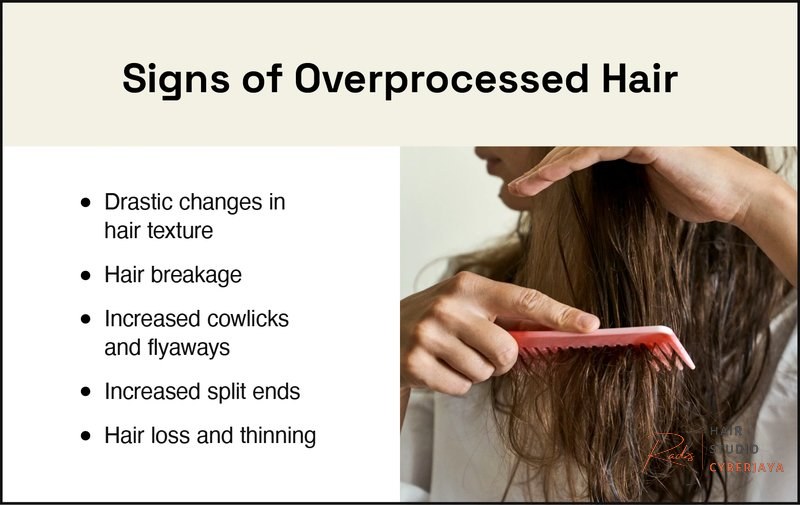
Signs of Over-Processed Hair and When to Wait
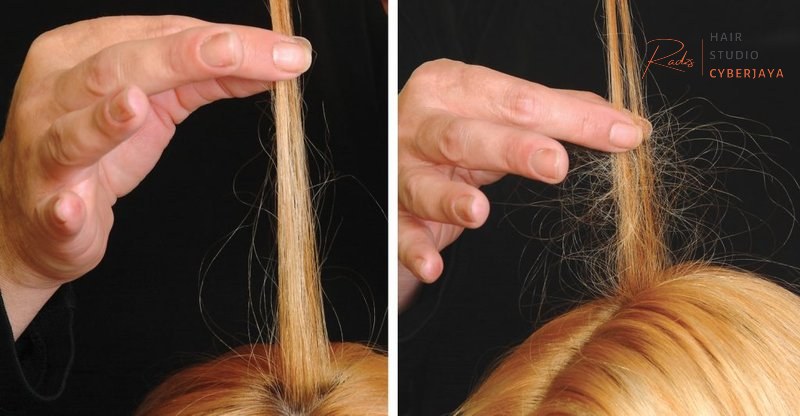
Over-processed hair is a clear sign that you’ve dyed it too often or used harsh chemicals without adequate recovery time. Recognizing these signs is crucial to prevent further damage and give your hair the break it desperately needs. Ignoring these warnings can lead to irreversible issues, forcing you to cut off damaged lengths.
Common signs of over-processed hair include extreme dryness, a straw-like texture, excessive breakage, split ends that appear almost immediately after a trim, and hair that feels gummy when wet. The color might also appear dull or uneven. If you notice any of these symptoms, it’s vital to stop all chemical treatments, including dyeing, and focus on intensive repair and conditioning treatments. Give your hair several months to recover before considering another dye application, allowing it to regain strength and moisture.
Optimal Frequency for Different Hair Coloring Methods
The best frequency for coloring your hair isn’t just about the dye type; it also depends heavily on the specific coloring method you’re using. Techniques like root touch-ups, highlights, and balayage each have their own recommended schedules, tailored to minimize damage and maintain a fresh look. Understanding these distinctions helps you plan your salon visits effectively and keeps your hair looking its best.
Whether you’re covering grays or adding dimension, each method interacts with your hair differently. This means the waiting period between sessions can vary significantly. Being aware of these optimal frequencies can save your hair from unnecessary stress and ensure a more consistent, beautiful result.
Root Touch-Ups: How Often Do I Dye My Hair for Roots?
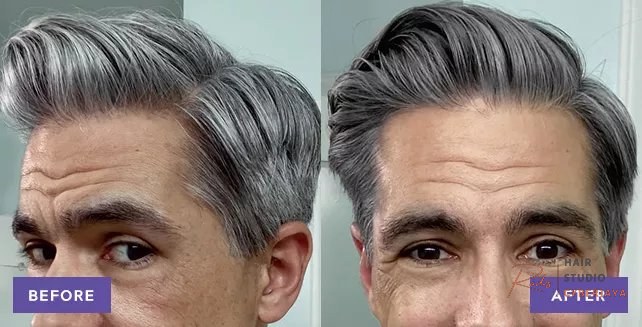
Root touch-ups are a common and necessary part of maintaining a consistent hair color, especially for those covering grays or maintaining a stark color contrast. Since only the new growth is being treated, this method is less damaging than a full head application. This allows for more frequent coloring without compromising the overall health of your hair.
Typically, root touch-ups can be done every 3-6 weeks. The exact timing depends on how quickly your hair grows and how noticeable your roots become. For some, even 2-3 weeks might be necessary if they have very fast-growing hair or a high percentage of gray hair. It’s important to apply the dye only to the new growth to avoid overlapping and further processing the previously colored hair.
Highlights and Balayage: How Often Should I Color My Hair?
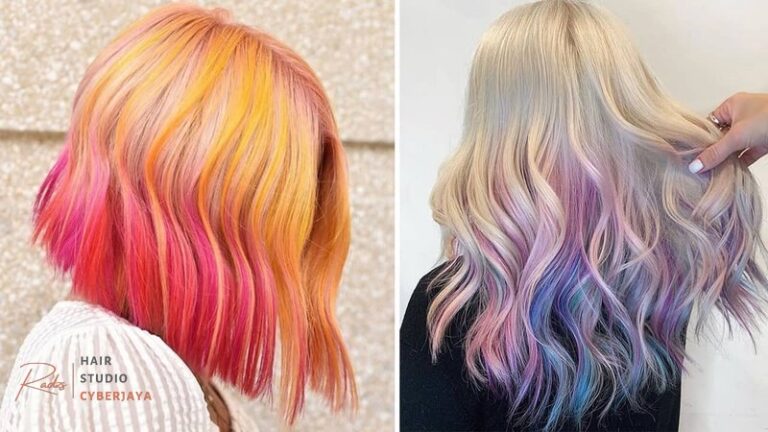
Highlights and balayage are popular techniques that add dimension and brightness to your hair without coloring the entire head. Since these methods involve coloring only select strands or sections, they are generally less damaging than a full color change. This means you might be able to revisit these styles more frequently than a full-head permanent dye.
For highlights, most people find that refreshing them every 6-8 weeks is sufficient to maintain their look. Balayage, with its soft, blended lines, offers an even longer interval, often needing touch-ups only every 3-4 months, or even less frequently for a very natural, grown-out effect. This makes balayage an excellent low-maintenance option for those wondering how often should I color my hair.
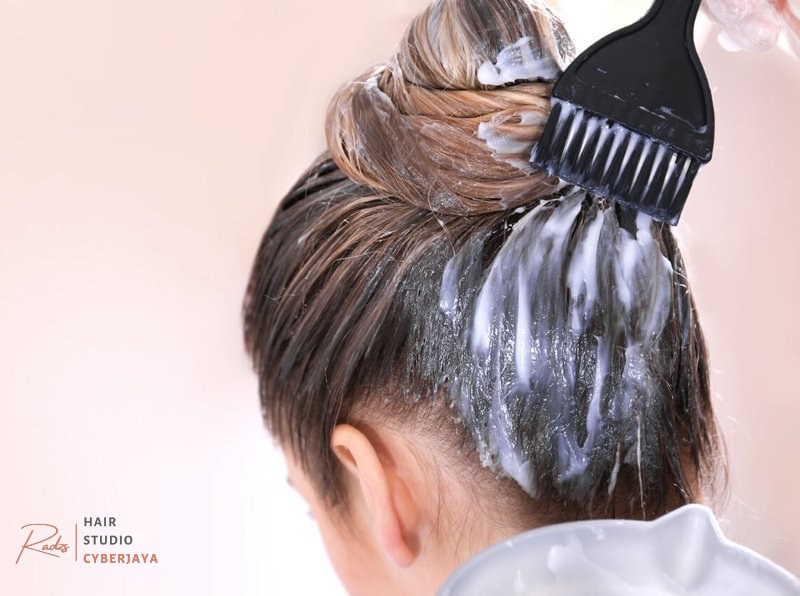
Tips for Maintaining Hair Health Between Dye Sessions
Even if you adhere to the recommended waiting periods, dyeing your hair is still a chemical process that can cause some stress. Therefore, proper hair care between dye sessions is absolutely essential to maintain its health, shine, and color vibrancy. By following a consistent care routine, you can minimize damage and prolong the life of your hair color.
Think of it as an investment in your hair. The better you care for it, the more resilient it will be to future treatments and environmental stressors. These tips are designed to nourish, protect, and restore your hair’s natural beauty, ensuring it’s always ready for its next color adventure.
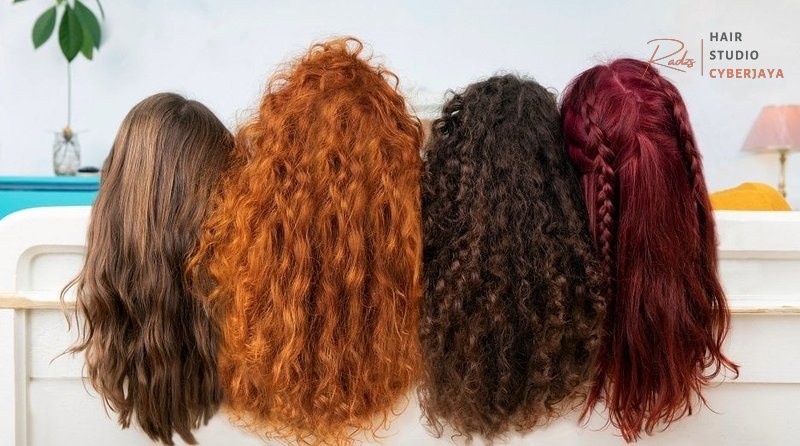
Using Color-Safe Products and Deep Conditioning Treatments
One of the most effective ways to protect your dyed hair is by using products specifically formulated for color-treated hair. These shampoos, conditioners, and styling products are designed to be gentler, helping to preserve your hair color and prevent premature fading. They often contain ingredients that seal the cuticle, locking in color and moisture.
In addition to color-safe products, incorporating deep conditioning treatments into your routine is crucial. Aim for a weekly or bi-weekly deep conditioning mask to replenish moisture, strengthen strands, and repair any damage caused by the coloring process. These treatments provide intensive nourishment that regular conditioners can’t match, keeping your hair soft, shiny, and resilient.
Minimizing Heat Styling and Protecting Hair from the Sun
Heat styling can be particularly damaging to color-treated hair, accelerating color fade and causing dryness and breakage. If you must use heat tools like flat irons, curling irons, or blow dryers, always apply a heat protectant spray beforehand. Opt for the lowest effective heat setting and try to air-dry your hair whenever possible to give it a break.
The sun’s UV rays can also lighten and fade your hair color, especially vibrant or unnatural shades. When spending time outdoors, protect your hair by wearing a hat or using hair products that contain UV filters. This simple step can significantly extend the life of your hair color and keep it looking fresh longer.
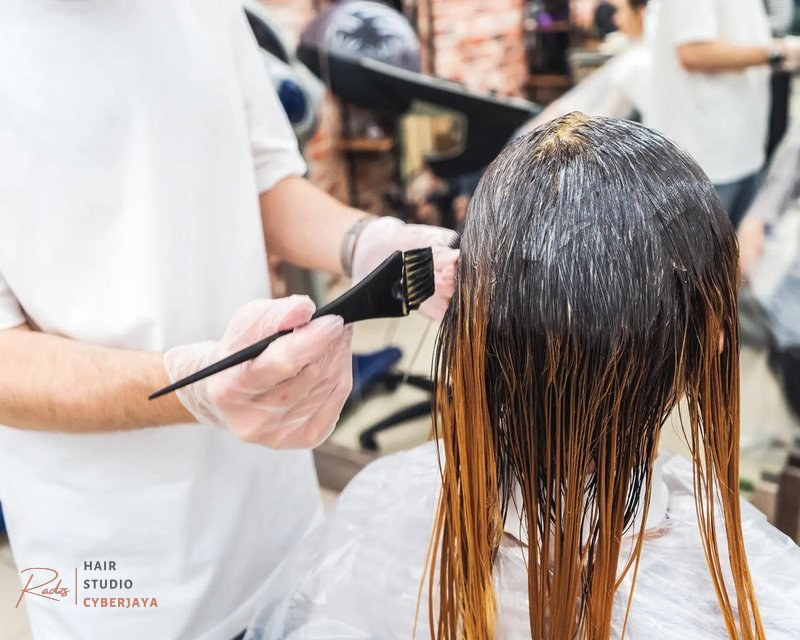
Professional Advice on How Often Do You Dye Your Hair
While general guidelines offer a good starting point, nothing beats personalized advice from a professional hairstylist. They can assess your unique hair type, condition, and coloring history to recommend the most appropriate schedule for you. Seeking expert guidance ensures your hair remains healthy and your color always looks its best.
A stylist can also offer insights into specific products and treatments that will benefit your hair, as well as advise on advanced techniques that might minimize damage. Don’t hesitate to consult with the experts at Radzs Hair Studio Cyberjaya for tailored recommendations and a truly bespoke coloring experience.
Consulting with a Stylist for Personalized Recommendations
Every person’s hair is unique, and what works for one may not work for another. Consulting with a professional stylist is the best way to get personalized recommendations on how often do you dye your hair. A skilled stylist can evaluate your hair’s porosity, elasticity, and overall health to determine the safest and most effective coloring schedule for you.
They can also discuss your desired look, lifestyle, and budget to help you choose the right dye type and coloring method. Whether you’re looking for subtle changes or a dramatic transformation, their expertise will guide you toward choices that prioritize both your aesthetic goals and the long-term health of your hair. Don’t underestimate the value of professional insight when it comes to maintaining healthy, beautiful colored hair.
| Dye Type / Method | Recommended Frequency | Considerations |
|---|---|---|
| Temporary Dye | Daily to Weekly (as desired) | Minimal damage, washes out quickly. |
| Semi-Permanent Dye | Every 2-4 weeks | Gentler, fades gradually, great for refreshing tone. |
| Permanent Full Color | Every 4-8 weeks | More commitment, allows hair to recover. |
| Root Touch-Ups | Every 3-6 weeks | Targets new growth only, less overall damage. |
| Highlights / Balayage | Every 6-8 weeks for highlights, 3-4 months for balayage | Less damaging to entire head, low maintenance. |
| Bleaching | Every 6-10 weeks (or longer) | Most damaging, requires significant recovery and care. |
When to Space Out Dyeing for Optimal Hair Health
Sometimes, the best course of action for optimal hair health is to simply space out your dyeing appointments. If your hair is showing signs of distress—dryness, brittleness, or breakage—it’s a clear signal to extend the time between color applications. This doesn’t mean you have to give up dyeing entirely, but rather be strategic about when and how you do it.
Consider waiting 8-12 weeks, or even longer, if your hair is severely damaged. During this time, focus on intense conditioning, protein treatments, and minimizing heat styling. A break allows your hair to regenerate and regain its strength, making it more resilient to future chemical processes. Your stylist can help you determine the ideal recovery period and suggest transitional styles to manage your roots or fading color gracefully.
Frequently Asked Questions About Hair Dyeing Frequency
How often should I dye my hair if I have gray hair?
If you are covering gray hair, you will likely need to dye your roots every 3-5 weeks, as gray hair tends to be more noticeable as it grows out. The exact timing depends on how quickly your hair grows and your tolerance for visible roots.
Can I dye my hair twice in one week?
Dyeing your hair twice in one week is generally not recommended, especially with permanent dyes, as it can cause significant damage and over-processing. If you need to correct a color, consult a professional who can assess your hair and use gentle techniques.
How often to dye hair for blonde colors?
For blonde colors, root touch-ups are usually needed every 4-8 weeks, depending on the contrast with your natural hair color. If you are bleaching, it’s crucial to extend this period to at least 6-10 weeks to prevent damage.
What if my hair feels dry after dyeing? How often should I dye my hair then?
If your hair feels dry after dyeing, it indicates that it needs extra care and a longer break between coloring sessions. Focus on intensive moisturizing treatments and wait at least 8-12 weeks, or until your hair’s condition improves significantly, before re-dyeing.
Does how frequently can you dye your hair depend on hair length?
Hair length itself doesn’t directly dictate how frequently you can dye your hair. However, longer hair has older ends that may be more prone to damage, requiring more care and potentially longer waiting periods between full color applications.
Conclusion
Understanding how often can u dye ur hair safely is a balance between achieving your desired look and maintaining the health of your locks. While general guidelines suggest waiting 4-8 weeks for permanent dyes and shorter intervals for temporary options, your individual hair health, dye type, and specific coloring method all play crucial roles. By paying attention to your hair’s condition, using appropriate products, and consulting with professionals, you can keep your hair vibrant and strong.
We’ve explored different dye types, the importance of hair health assessment, and optimal frequencies for various coloring methods. Remember that consistent care between dye sessions, including using color-safe products and minimizing heat, is key to long-term hair health. For personalized advice and expert coloring services that prioritize your hair’s well-being, we invite you to visit Radzs Hair Studio Cyberjaya. Let our stylists help you achieve beautiful color without compromise. Learn more about maintaining your stunning hair color by visiting our full guide on how often can you dye your hair.