

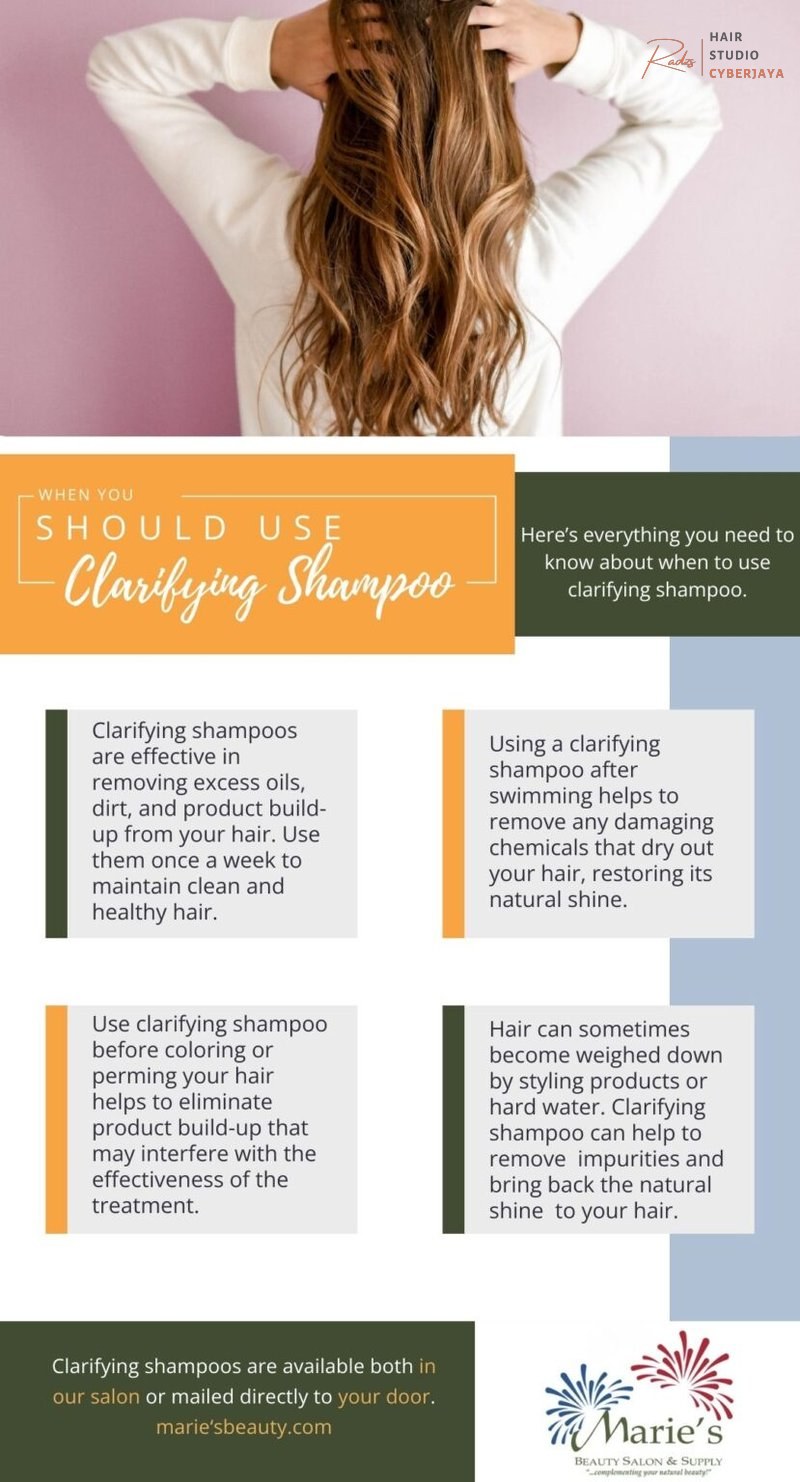
For those with oily, curly hair, finding the right balance in your hair care routine can be a challenge. You want to remove excess oil and product build-up without stripping your precious curls of their natural moisture. The key often lies in understanding how often to use clarifying shampoo for oily curly hair. At Radzs Hair Studio Cyberjaya, we often see clients struggling with limp, greasy curls due to infrequent or improper clarifying. Generally, we recommend using a clarifying shampoo every 2-4 weeks, or whenever your hair feels weighed down, looks dull, or your scalp feels excessively oily. This helps reset your hair and scalp, allowing your regular products to work more effectively.
Clarifying shampoo is specifically designed to deeply cleanse the hair and scalp, removing stubborn residue from styling products, hard water minerals, and excess sebum. For those with oily, curly hair, this can be a game-changer. Curly hair tends to be drier by nature, but an oily scalp combined with product build-up can create a cycle of greasiness and dullness. Incorporating a clarifying shampoo into your routine can help break this cycle, promoting healthier, more defined curls.
Identifying when your oily curly hair needs clarifying
Knowing exactly when to reach for your clarifying shampoo can make all the difference in managing oily, curly hair. While a general guideline exists, your hair will often send clear signals that it’s time for a deep cleanse. Paying close attention to these signs can help you maintain optimal hair health and ensure your curls always look their best.
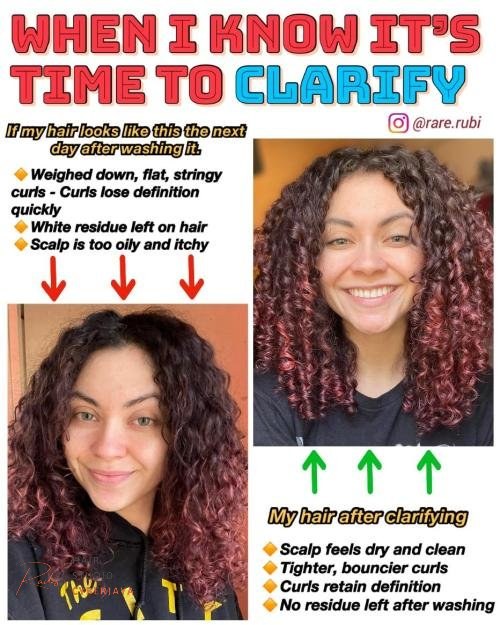
One of the most common indicators is a noticeable increase in oiliness at the scalp, even shortly after washing. If your roots are getting greasy quickly, or your hair feels heavier and lank, it’s a strong sign of build-up. This accumulation can prevent your scalp from breathing properly and lead to further oil production. Another key sign is a lack of volume or bounce in your curls. Product residue can weigh down your delicate curl pattern, making them appear flat and lifeless. If your usual styling products aren’t performing as well, or your hair feels unusually stiff or coated, a clarifying session is likely in order.
Recognizing the signs of product build-up on oily curly hair
Product build-up is a common culprit for many curly hair concerns, especially when combined with an oily scalp. When your hair starts to feel rough or gritty, even after a regular wash, it’s a definite indicator. You might also notice a white or grey film on your hair strands or scalp, which is a visual sign of accumulated residue. This build-up can suffocate your hair follicles and prevent essential moisture from penetrating, leading to dullness and even breakage.
Furthermore, if your scalp feels itchy or irritated, it could be a reaction to excessive product accumulation. This irritation can sometimes lead to flaking, mimicking dandruff, but is often just a symptom of needing a thorough cleanse. For those with oily, curly hair, this build-up can exacerbate oiliness by trapping sebum against the scalp. Regularly clarifying helps to lift this residue, allowing your scalp to breathe and your curls to flourish with their natural definition and shine. It also ensures that the beneficial ingredients in your conditioners and styling products can actually reach and nourish your hair.
Observing changes in curl pattern and volume with excess oil
The beauty of curly hair lies in its unique and vibrant curl pattern. However, excess oil and build-up can significantly impact this. If your curls begin to lose their definition, appearing stringy or clumped together instead of bouncy and separated, it’s a strong sign that they are weighed down. This is particularly common for those with oily, curly hair, as the natural oils combine with styling product residues to create a heavy coating.
Another tell-tale sign is a decrease in overall hair volume. Curls that once had lively bounce might now lie flat against your head. This diminished volume can make your hair look lifeless and unkempt, despite your best efforts with styling. Clarifying shampoo can help restore that natural lift and elasticity by stripping away the heavy layers preventing your curls from springing into action. It’s like hitting a reset button for your hair, allowing your true curl pattern to re-emerge vibrant and full.
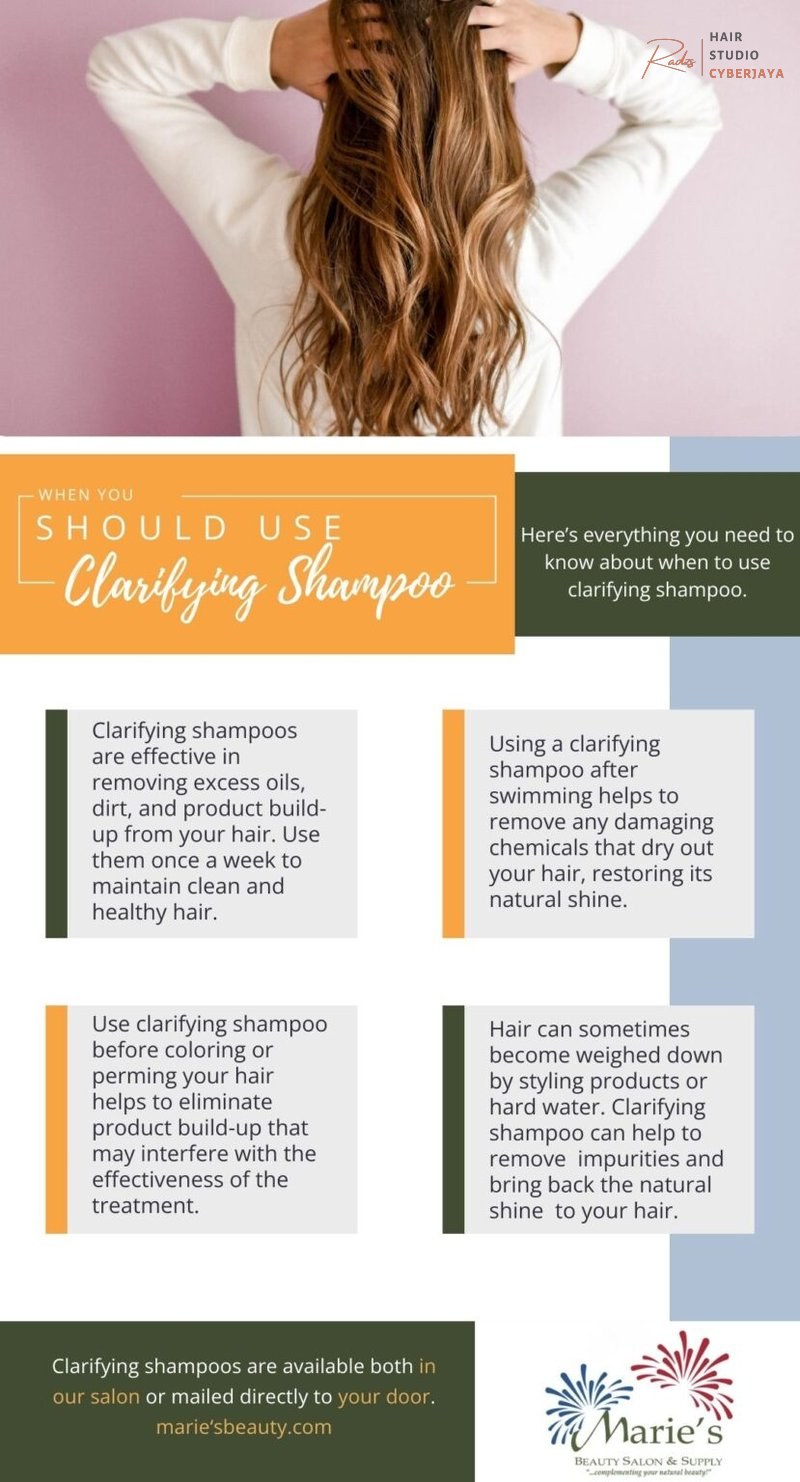
Optimal frequency for using clarifying shampoo on oily curly hair
Determining the optimal frequency for using clarifying shampoo is crucial, especially for those with the delicate balance of oily and curly hair. Over-clarifying can strip curls of essential moisture, while under-clarifying can lead to persistent build-up and dullness. The ideal approach balances deep cleansing with gentle care, ensuring your scalp is healthy and your curls remain vibrant.
For most individuals with oily, curly hair, a frequency of once every 2-4 weeks is a good starting point. However, this can vary based on several factors, including your styling product usage, lifestyle, and environmental exposure. Those who use a lot of heavy styling creams, gels, or mousses may find they need to clarify more frequently. Similarly, if you live in an area with hard water, or if you exercise frequently and sweat a lot, a slightly more regular clarifying schedule might be beneficial. Listening to your hair and adjusting as needed is key to finding your perfect routine.
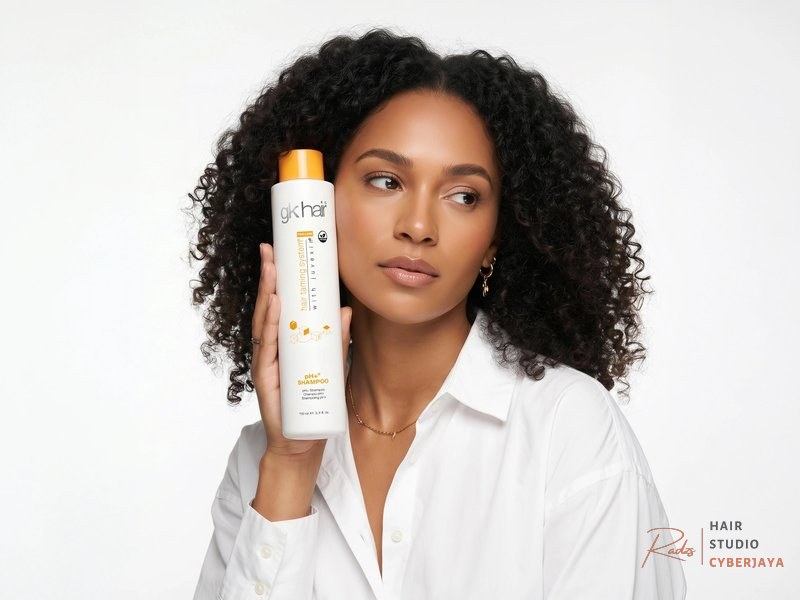
Adjusting frequency based on styling product use and lifestyle
The amount of styling products you use directly impacts how often you need to clarify. If your routine includes heavy creams, butters, or strong-hold gels, these can accumulate quickly, necessitating more frequent clarifying. These products, while great for defining curls, often contain ingredients that can build up on the hair shaft and scalp, contributing to greasiness and dullness. Conversely, if you prefer minimal styling products or lighter formulations, you might find that you can go longer between clarifying sessions.
Your lifestyle also plays a significant role. Active individuals who work out frequently or spend a lot of time outdoors may experience increased sweat and environmental pollution build-up, both of which can lead to oilier scalps and product residue. Swimming in chlorinated pools or saltwater can also leave behind mineral deposits, making clarifying more essential. Understanding these factors allows you to tailor your clarifying schedule, ensuring your oily, curly hair remains clean, refreshed, and vibrant. It’s about finding a rhythm that works for your unique hair needs and daily habits.
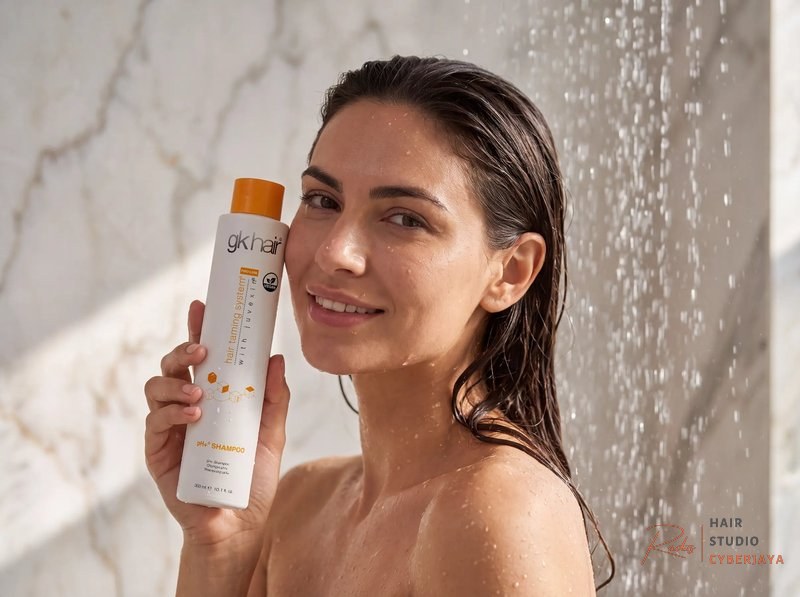
Considering environmental factors and water hardness for clarifying frequency
Environmental factors and the quality of your water can significantly influence how often you need to use clarifying shampoo, especially for oily, curly hair. If you live in a city with high pollution levels, airborne particles, dirt, and grime can settle on your hair and scalp, contributing to build-up and making your hair feel dirtier faster. This necessitates a more frequent clarifying routine to effectively remove these external aggressors.
Hard water, which is rich in minerals like calcium and magnesium, is another major factor. These minerals can accumulate on your hair over time, creating a dull, rough film that prevents moisture absorption and makes your curls feel stiff and dry, despite an oily scalp. This mineral build-up also makes it harder for your regular shampoos to lather and cleanse effectively. If you suspect you have hard water, incorporating a chelating shampoo (a stronger form of clarifying shampoo) or a clarifying shampoo more frequently, perhaps every 2-3 weeks, can help remove these stubborn deposits and restore your hair’s natural softness and shine.
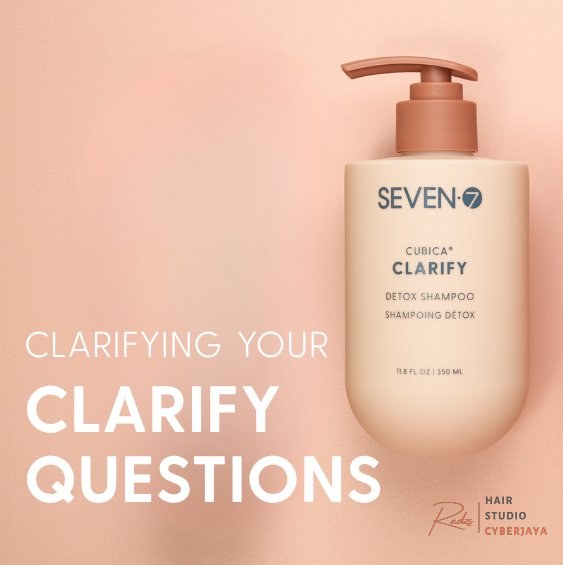
Best practices for using clarifying shampoo on oily curly hair
Using clarifying shampoo effectively on oily, curly hair goes beyond just frequency; it involves proper application techniques and understanding how to minimize potential dryness. Because clarifying shampoos are designed for a deeper cleanse, they can sometimes be a bit more potent than your regular shampoo. Mastering the art of clarification ensures you get rid of build-up without sacrificing the health and hydration of your curls.
Always follow up a clarifying wash with a deeply moisturizing conditioner or hair mask. This step is non-negotiable for curly hair, as it replenishes any moisture that might have been lost during the intense cleanse. Focus the clarifying shampoo primarily on your scalp, where oil and product build-up are most concentrated. Gently work it through your roots, then allow the lather to rinse down the length of your hair without excessively scrubbing the delicate curl strands. This approach helps to protect your ends from unnecessary stripping while effectively cleansing your scalp.
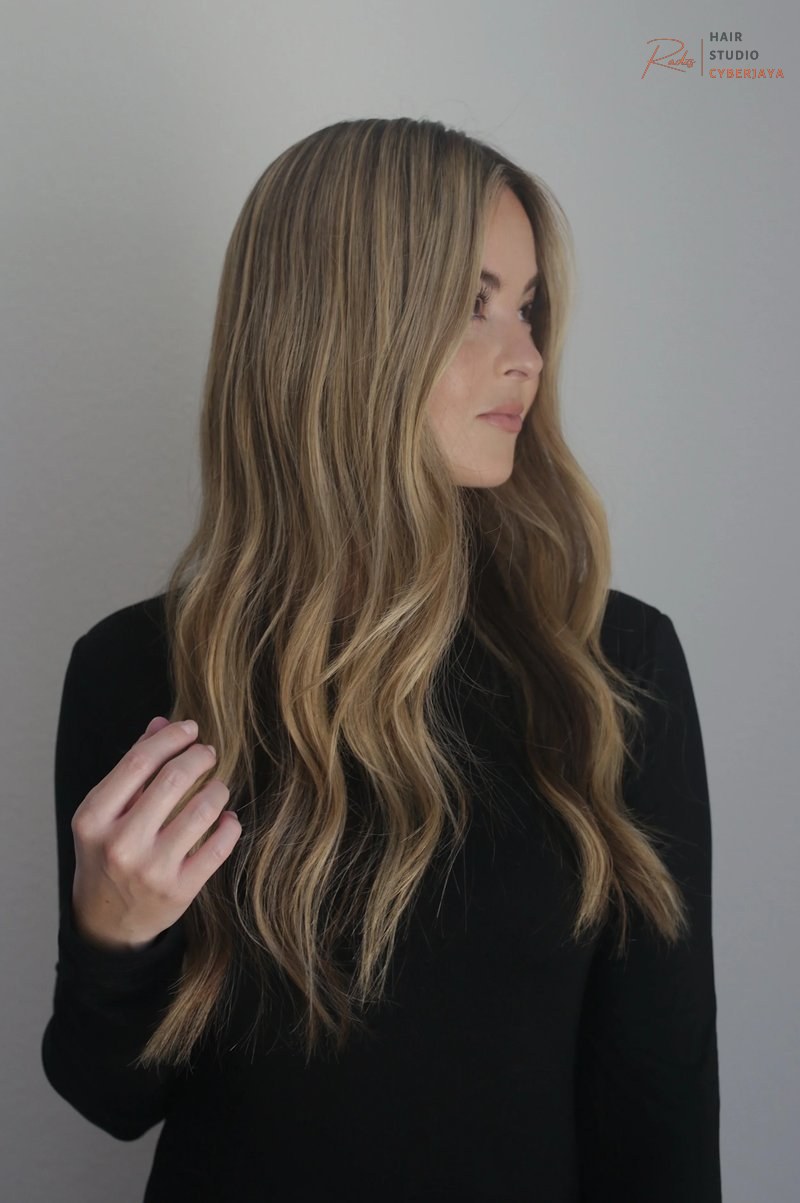
Applying clarifying shampoo correctly for maximum benefit
The application method for clarifying shampoo is crucial, especially for oily, curly hair. Begin by thoroughly wetting your hair with warm water to open up the hair cuticles and allow the shampoo to penetrate effectively. Apply a small amount of clarifying shampoo directly to your scalp. This is where most of the oil and build-up accumulate, so focus your attention here.
Gently massage the shampoo into your scalp using your fingertips, creating a good lather. Avoid scrubbing too aggressively, which can irritate the scalp. Let the shampoo sit for a minute or two, allowing it to break down stubborn residues. As you rinse, let the suds run down the length of your curls. There’s no need to apply more shampoo directly to the ends, as this can be overly drying. Ensure you rinse thoroughly until the water runs clear, making sure no residue is left behind. This targeted approach ensures a deep cleanse where it’s most needed, without over-stripping your delicate curls.
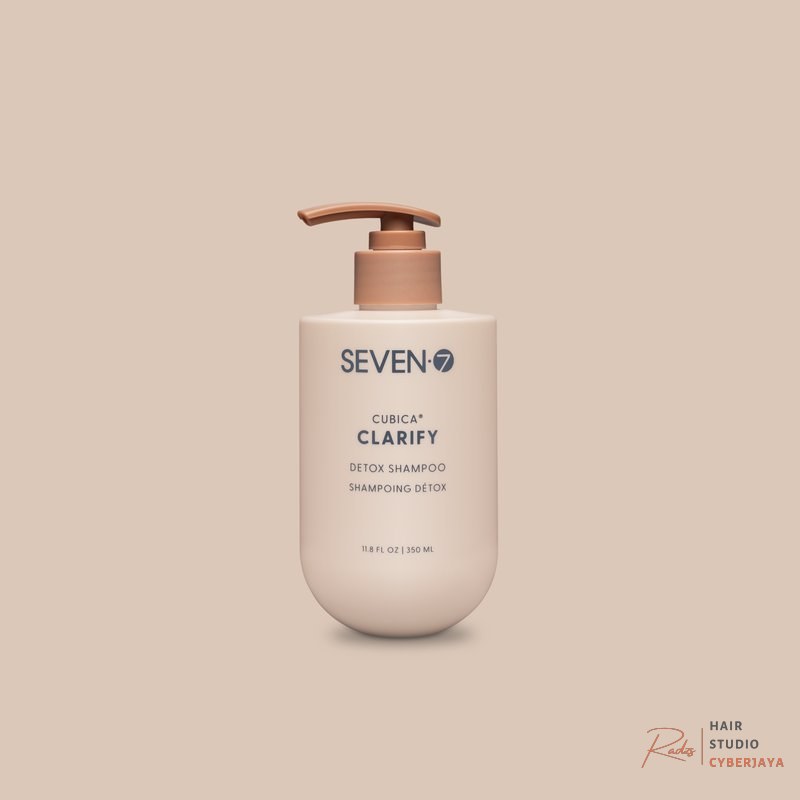
Following up with deep conditioning to rehydrate oily curly hair
After using a clarifying shampoo, deep conditioning is arguably the most vital step for oily, curly hair. While clarifying removes unwanted build-up, it can sometimes leave the hair feeling a little stripped. Curly hair is naturally prone to dryness, so replenishing moisture immediately is key to maintaining its health, elasticity, and definition. Choose a rich, hydrating conditioner or a deep conditioning mask specifically formulated for curly hair.
Apply the conditioner generously from mid-lengths to ends, focusing on the areas that tend to be driest. Avoid applying too much directly to the scalp if it’s prone to oiliness, but ensure the hair shaft is well-coated. Leave the conditioner on for the recommended time, typically 5-15 minutes, or even longer if your hair feels particularly parched. For an extra boost of hydration, consider using a shower cap to trap heat, which helps the conditioner penetrate more deeply. Rinsing with cool water can help seal the cuticle, locking in moisture and enhancing shine, which is especially beneficial after a deep cleanse. This crucial step prevents dryness and keeps your curls bouncy and vibrant.
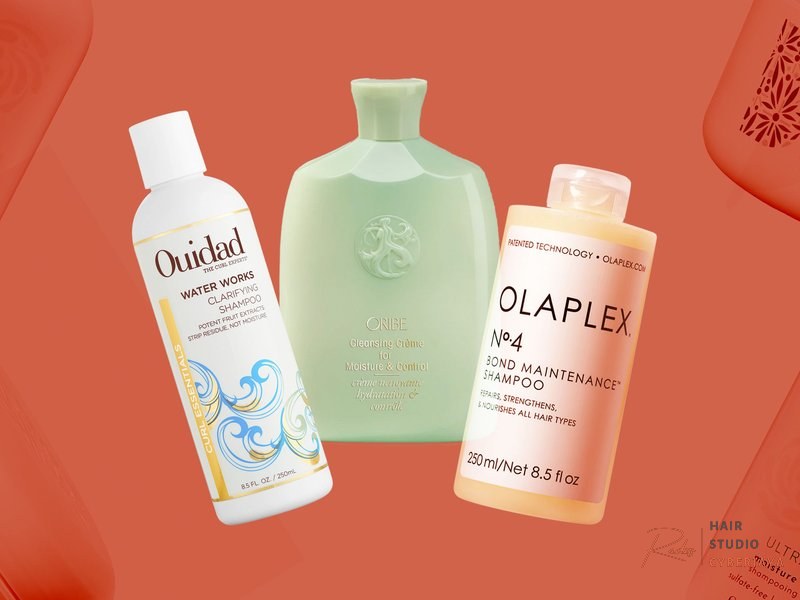
Choosing the right clarifying shampoo for oily curly hair
Selecting the appropriate clarifying shampoo is a critical decision when you have oily, curly hair. Not all clarifying shampoos are created equal, and some can be too harsh, potentially stripping your curls of essential moisture. The goal is to find a formula that effectively removes build-up and excess oil without leaving your hair feeling like straw. This delicate balance ensures your curls remain healthy, defined, and vibrant after each deep cleanse.
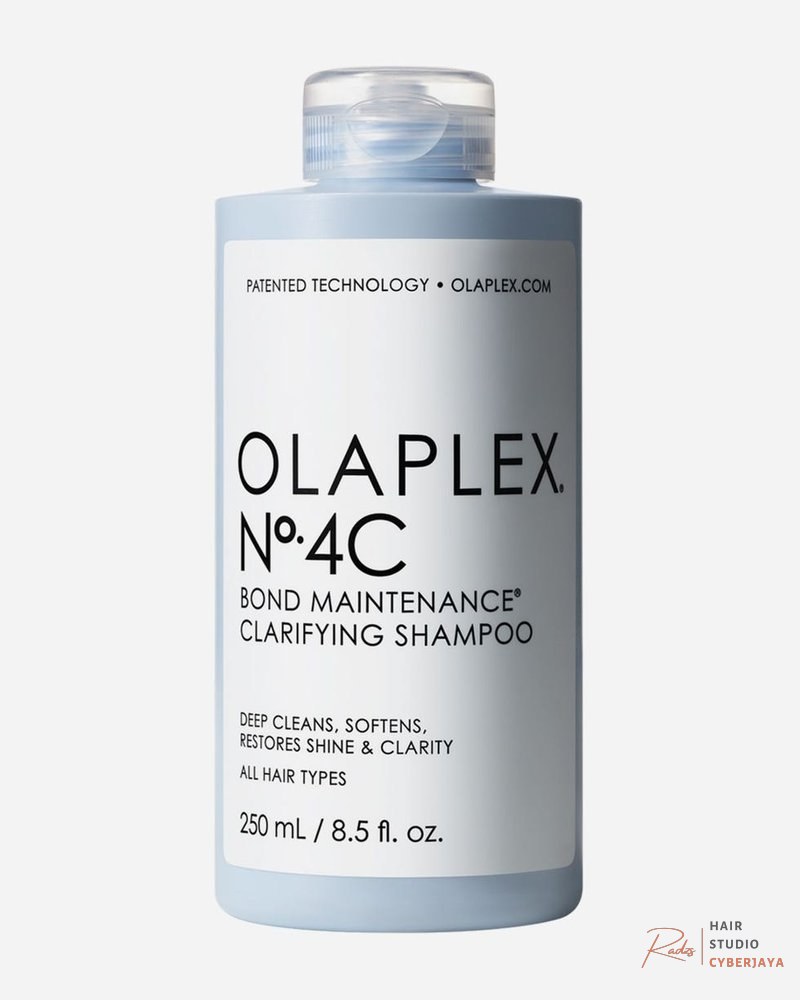
Look for clarifying shampoos that specifically mention being gentle or having moisturizing properties, or those formulated for curly hair. Ingredients like apple cider vinegar, charcoal, or certain fruit extracts can be effective natural clarifiers. It’s also beneficial to check for sulfate-free options if your curls are particularly sensitive to harsh detergents. At Radzs Hair Studio Cyberjaya, we can help you navigate the options to find a clarifying shampoo that perfectly suits your unique hair needs, ensuring a refreshing clean without compromising your curl health. We understand the nuances of how often to use clarifying shampoo for oily curly hair and recommend products accordingly.
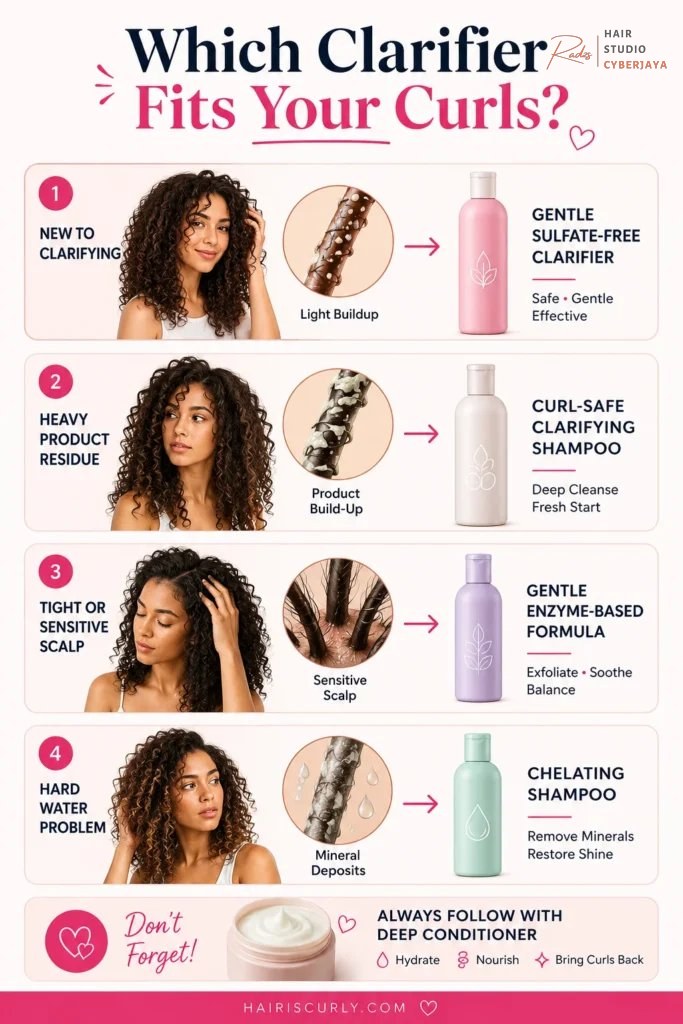
Ingredients to look for and avoid in clarifying shampoos
When choosing a clarifying shampoo for oily, curly hair, understanding the ingredient list is key. Look for ingredients known for their effective cleansing properties, such as apple cider vinegar, charcoal, or salicylic acid. These can help to break down oil and build-up without being overly aggressive. Some formulations also include gentle surfactants that effectively cleanse without stripping. Always check for moisturizing agents like glycerin or aloe vera, which can help counteract any potential dryness that clarifying shampoos might cause.
Conversely, there are certain ingredients you might want to avoid or use with caution. Sulfates, particularly harsh ones like Sodium Lauryl Sulfate (SLS) or Sodium Laureth Sulfate (SLES), can be very effective at cleansing but might be too stripping for some curly hair types, leading to frizz and dryness. While some clarifying shampoos contain sulfates by design for a powerful cleanse, opting for sulfate-free or milder sulfate formulas can be beneficial if your curls are prone to dryness. Also, be mindful of synthetic fragrances and dyes if you have a sensitive scalp, as these can sometimes cause irritation. Always prioritize formulations that balance effective cleansing with curl-friendly ingredients to protect your hair’s natural moisture barrier.

Understanding the difference between clarifying and chelating shampoos
While often used interchangeably, clarifying and chelating shampoos serve slightly different purposes, and understanding this distinction is particularly helpful for oily, curly hair, especially if you deal with hard water. Both types of shampoos are designed for deep cleansing, but their primary targets differ.
| Shampoo Type | Primary Function | Key Ingredients | Frequency for Oily Curly Hair |
|---|---|---|---|
| Clarifying Shampoo | Removes product build-up, excess oil, and environmental residue. | Strong surfactants, sometimes natural acids (e.g., apple cider vinegar). | Every 2-4 weeks, or as needed for build-up. |
| Chelating Shampoo | Specifically removes mineral deposits from hard water. | Chelating agents (e.g., EDTA, phytic acid). | Every 4-8 weeks, or as needed for mineral build-up. |
Clarifying shampoos primarily focus on stripping away styling product residue, natural oils, and light environmental pollutants. They use strong surfactants to achieve this deep clean. Chelating shampoos, on the other hand, contain specific ingredients called chelating agents that bind to and remove mineral deposits left by hard water. If your hair feels stiff, dull, or has a metallic sheen, especially after washing, hard water minerals are likely the culprit, and a chelating shampoo would be more effective. For oily, curly hair, a clarifying shampoo is usually sufficient for regular build-up, but a chelating shampoo might be necessary a few times a year if you consistently use hard water. It’s about targeting the specific type of build-up your hair is experiencing to ensure the most effective cleanse.
Frequently asked questions about clarifying shampoo for oily curly hair
Can clarifying shampoo damage my curly hair?
Clarifying shampoo can be harsh if used too often or if you don’t follow up with deep conditioning. It can strip natural oils, leading to dryness and frizz. However, when used correctly and sparingly, it is beneficial for removing build-up and keeping your curls healthy. Always follow with a moisturizing mask.
What happens if I don’t clarify my oily curly hair regularly?
If you don’t clarify your oily, curly hair regularly, you’ll likely experience product build-up, increased oiliness, dullness, and a loss of curl definition. Your regular shampoos and conditioners may also become less effective, as they can’t penetrate the build-up.
Is clarifying shampoo suitable for color-treated oily curly hair?
Yes, clarifying shampoo can be used on color-treated oily, curly hair, but with caution. Opt for a sulfate-free clarifying shampoo to minimize color stripping. Use it less frequently than on non-color-treated hair and always follow with a deep conditioner to maintain moisture and color vibrancy.
Can I use clarifying shampoo more often if my hair is extremely oily?
While it might seem logical, using clarifying shampoo too frequently on extremely oily curly hair can actually be counterproductive. Over-stripping your scalp can lead to it producing even more oil to compensate. Stick to the recommended frequency and ensure you’re using a good quality, gentle clarifying formula.
Conclusion
Understanding how often to use clarifying shampoo for oily curly hair is a cornerstone of a healthy hair care routine. By recognizing the signs of build-up, adjusting your frequency based on lifestyle and environmental factors, and applying the shampoo correctly, you can maintain vibrant, defined curls free from greasiness and dullness. This article has guided you through the nuances of identifying when your hair needs clarifying, establishing an optimal usage schedule, and choosing the right products to support your hair health.
At Radzs Hair Studio Cyberjaya, we are dedicated to helping you achieve your best hair. We hope this guide empowers you to make informed decisions about your clarifying routine. For personalized advice and professional curly hair care services, don’t hesitate to visit us or explore more tips on our website. Give your oily, curly hair the reset it deserves and see the transformative difference in its bounce, shine, and overall health. For more expert insights and services, visit our website and discover how we can help you with your hair journey at how often to use clarifying shampoo for oily curly hair.