

For centuries, hair oil has been a secret weapon in hair care routines, revered for its ability to nourish, strengthen, and add a lustrous shine. If you’ve been wondering how to use hair oil effectively to achieve these benefits, you’ve come to the right place. At Radzs Hair Studio Cyberjaya, we believe in empowering you with the knowledge to care for your hair like a pro. This comprehensive guide will walk you through everything you need to know about incorporating hair oil into your routine, ensuring your locks receive the pampering they deserve.
Using hair oil isn’t just about pouring it onto your strands; it’s an art that, when perfected, can transform your hair’s health and appearance. From understanding the best application techniques to knowing when to incorporate it into your regimen, every step plays a crucial role. We’ll delve into the specifics to help you make the most of this ancient beauty ritual.
Understanding when to use hair oil
Knowing when to use hair oil is just as important as knowing how to apply it. The optimal timing can significantly impact the results you achieve. Hair oil can be a versatile product, serving different purposes depending on when and how you incorporate it into your routine. Many people wonder, “When should I apply hair oil for the best results?” The answer often depends on your hair type, concerns, and the specific benefits you’re seeking.
For intense nourishment and scalp treatment, applying hair oil as a pre-shampoo treatment is highly effective. This method allows the oil ample time to penetrate the scalp and hair strands, providing deep conditioning and protection against the stripping effects of shampoo. Consider leaving the oil on for at least 30 minutes, or even overnight, for maximum benefits. This is especially beneficial if you have dry, damaged, or brittle hair.

You can also use hair oil as a leave-in treatment on damp hair after washing. A small amount, applied from mid-lengths to ends, can help to seal in moisture, reduce frizz, and add shine. This approach works wonderfully for all hair types, particularly those prone to dryness or frizz, helping to achieve a smooth, polished look without weighing the hair down. It’s about finding the right balance and amount for your specific needs.
Applying hair oil as a pre-shampoo treatment
Using hair oil as a pre-shampoo treatment, often called “pre-poo,” is a fantastic way to protect your hair from the harshness of shampoo and provide deep nourishment. The oil creates a protective barrier around your hair shaft, preventing the shampoo from stripping away too much natural moisture. This method is especially beneficial for dry, damaged, or color-treated hair, as it helps maintain hydration and vibrancy.
To begin, section your dry, unwashed hair. Take a small amount of your chosen hair oil – think a few drops, depending on your hair’s length and thickness – and warm it slightly between your palms. Gently apply the oil to your scalp using your fingertips, massaging it in circular motions to stimulate blood flow and ensure even distribution. Then, work the oil down the lengths of your hair, paying extra attention to the ends, which are often the driest and most prone to damage.

Once applied, you can leave the oil on for at least 30 minutes. For a more intensive treatment, cover your hair with a shower cap or warm towel and leave it on for several hours or even overnight. This extended period allows the oil to penetrate deeply, providing maximum benefits. When it’s time to wash, shampoo your hair thoroughly to remove all traces of oil, following up with your regular conditioner. You’ll notice your hair feels softer, smoother, and more manageable.
Incorporating hair oil into damp hair post-wash
Applying hair oil to damp hair after washing is another excellent way to leverage its benefits, particularly for achieving a smooth, shiny, and frizz-free finish. This method helps to lock in moisture that your hair has absorbed during washing, preventing it from evaporating and leaving your hair dry. It also acts as a protective layer, shielding your strands from environmental damage and heat styling.
After shampooing and conditioning, gently towel-dry your hair until it’s damp, not dripping wet. Dispense one to three drops of hair oil into your palms – the exact amount depends on your hair’s length, thickness, and texture. Rub your hands together to warm the oil, then evenly distribute it through your hair, focusing on the mid-lengths and ends. Avoid applying too much oil directly to the roots, especially if you have fine or oily hair, as this can weigh it down.

Once the oil is applied, you can air-dry your hair or proceed with heat styling as usual. The oil will help detangle your hair, reduce breakage, and leave it feeling incredibly soft and looking incredibly glossy. This technique is particularly effective for those struggling with frizz, as the oil helps to smooth down the hair cuticle. Radzs Hair Studio Cyberjaya recommends starting with a small amount and adding more if needed to avoid over-oiling your hair.
Learning how to apply hair oil correctly
Proper application is key to unlocking the full potential of your hair oil. Many people mistakenly apply too much or incorrectly, leading to greasy hair rather than nourished strands. The goal is to distribute the oil evenly, ensuring every strand benefits without feeling heavy or oily. Whether you’re targeting scalp health or aiming for silky smooth ends, the technique matters.
Start with the right amount. For most hair types and lengths, a few drops (1-3) are usually sufficient. Over-applying can lead to a greasy finish that’s difficult to wash out. If you have very thick or long hair, you might need a little more, but always begin with less and add if necessary. Always warm the oil between your palms before applying; this makes it easier to distribute and helps it absorb more effectively into the hair shaft.

Focus your application. If you’re treating your scalp, part your hair into sections and apply the oil directly to the scalp, massaging gently. If you’re looking to condition your hair, concentrate the oil from the mid-lengths to the ends. These areas are typically drier and more prone to damage. Avoid applying excessive amounts to the roots unless you have a specific scalp treatment oil designed for that purpose. Remember, a little goes a long way when you want to learn how to apply hair oil effectively.
Massaging oil into your scalp
Massaging hair oil into your scalp is a foundational step for promoting hair growth and maintaining scalp health. The gentle stimulation of the massage improves blood circulation to the hair follicles, which in turn delivers essential nutrients and oxygen, fostering stronger and healthier hair growth. This technique also helps to distribute the oil evenly, allowing it to nourish the scalp and hair roots effectively.
To begin, choose a lightweight, nourishing oil such as coconut, almond, or argan oil. Part your hair into small sections to expose the scalp. Dispense a few drops of oil onto your fingertips or directly onto your scalp using a dropper. Gently massage the oil into your scalp using circular motions, applying light to medium pressure. Ensure you cover all areas of your scalp, taking your time to work the oil in thoroughly.

Continue massaging for about 5-10 minutes. This not only helps the oil penetrate but also provides a relaxing experience. After the massage, you can leave the oil on for at least 30 minutes before shampooing, or even overnight for a deeper treatment. Consistent scalp oiling and massage can lead to significant improvements in hair health, reducing dryness, flakiness, and promoting a vibrant, healthy mane. It’s a simple yet powerful ritual for anyone looking to understand how to use hair oil for maximum benefit.
Applying oil to mid-lengths and ends
While scalp oiling nourishes the roots, applying oil to the mid-lengths and ends of your hair is crucial for addressing dryness, frizz, and breakage. These parts of your hair are older and more exposed to environmental stressors and styling damage, making them particularly vulnerable. Hair oil creates a protective layer, sealing in moisture and smoothing down the hair cuticle, resulting in shinier, softer, and more manageable strands.
After you’ve addressed your scalp (if applicable), or simply on damp, towel-dried hair, dispense a small amount of hair oil – typically one to two drops for most hair types – into your palms. Rub your hands together to warm the oil, which helps in even distribution and better absorption. Then, gently work the oil through the mid-lengths of your hair down to the ends. Pay special attention to the very tips, as these are often the driest and most prone to split ends.

Avoid applying too much oil, as this can make your hair look greasy and weigh it down. The goal is a light, even coating that enhances shine and softness without a heavy residue. You can use a wide-tooth comb to ensure the oil is distributed evenly through your hair, detangling as you go. This method is excellent for finishing your styling routine, adding a final touch of gloss, and protecting your hair from daily wear and tear. Knowing how to use hair oil in this way is essential for maintaining healthy, beautiful hair.
Choosing the right hair oil for your hair type
The vast world of hair oils can be overwhelming, with countless options available, each boasting unique benefits. The key to successful hair oiling lies in selecting an oil that is best suited for your specific hair type and concerns. What works wonders for oily hair might be too heavy for fine hair, and vice-versa. Understanding the properties of different oils is crucial for making an informed choice and truly mastering how to use hair oil.
For fine or oily hair, lightweight oils are your best bet. Oils like argan, jojoba, and grapeseed oil absorb quickly without leaving a greasy residue. These oils can provide moisture, shine, and protection without weighing down your delicate strands. They are excellent for everyday use or as a light pre-shampoo treatment. Heavy oils can easily make fine hair look limp and greasy, so moderation and careful selection are essential.

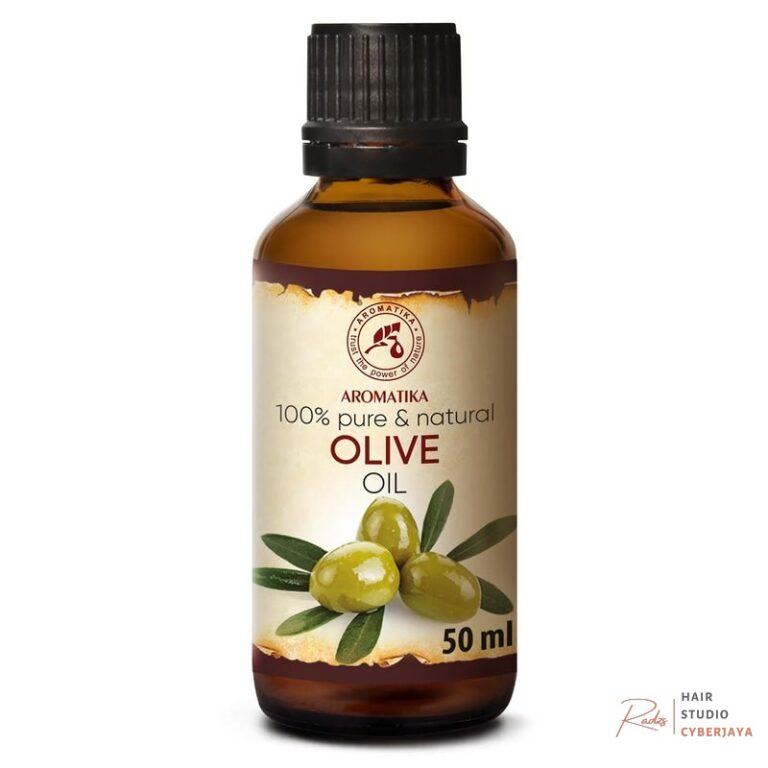
If you have thick, coarse, or dry hair, heavier oils such as coconut, castor, or olive oil can provide the deep conditioning and intense moisture your hair craves. These oils are excellent for pre-shampoo treatments, overnight masks, or for taming frizz and adding shine to parched strands. Their richer consistency penetrates deeply, offering significant hydration and strengthening benefits. Experimenting with different oils can help you discover the perfect match for your unique hair needs, ensuring you get the most out of your hair oil routine.
Oils for fine and oily hair
If you have fine or oily hair, the idea of applying hair oil might seem counterintuitive, fearing it will make your hair even greasier or weigh it down. However, the right type and amount of oil can actually balance oil production, add subtle shine, and provide much-needed nourishment without creating a greasy mess. The key is to opt for lightweight, non-comedogenic oils that absorb quickly and don’t clog pores.
Jojoba oil is a fantastic choice for oily scalps because its molecular structure is very similar to your scalp’s natural sebum. This can trick your scalp into producing less oil, helping to regulate oil production. Argan oil, often called “liquid gold,” is another excellent lightweight option. It’s rich in vitamins and antioxidants, providing hydration and shine without a heavy feel. Grapeseed oil is also a good pick, being very light and non-greasy, perfect for adding a touch of gloss.
| Hair Type | Recommended Oils | Benefits |
|---|---|---|
| Fine/Oily Hair | Jojoba, Argan, Grapeseed | Lightweight, balances oil, adds shine without greasiness |
| Thick/Dry Hair | Coconut, Castor, Olive | Deep conditioning, intense moisture, frizz control |
| All Hair Types | Almond, Avocado | Nourishment, versatility, general hair health |
When using these oils, remember that less is more. For fine hair, one to two drops are usually sufficient. Apply it sparingly to the mid-lengths and ends, avoiding the roots if your hair tends to get oily quickly. For an oily scalp, a light massage with jojoba oil before shampooing can help regulate sebum. These careful application methods are vital for anyone learning how to use hair oil effectively with fine or oily hair.
Oils for thick and dry hair
For those with thick, coarse, or dry hair, a more robust hair oil is often needed to provide adequate moisture and nourishment. These hair types tend to absorb heavier oils without becoming greasy, benefiting greatly from their rich, conditioning properties. The goal is to deeply hydrate, tame frizz, and enhance the hair’s natural softness and shine, which lighter oils may struggle to achieve.
Coconut oil is a classic and highly effective choice for thick, dry hair. Its unique molecular structure allows it to penetrate the hair shaft deeply, reducing protein loss and providing intense moisture. Castor oil, known for its thickness, is excellent for promoting hair growth and strengthening strands, especially when massaged into the scalp. Olive oil, rich in fatty acids and antioxidants, offers deep conditioning and helps to restore shine and elasticity to parched hair.

These heavier oils are ideal for pre-shampoo treatments, overnight masks, or as a post-wash leave-in on damp hair to control frizz and add moisture. Apply a more generous amount than you would with lighter oils, ensuring even distribution from roots to ends. For an extra boost, warm the oil slightly before application to enhance penetration. Embracing these richer oils can transform thick, dry hair, leaving it feeling soft, supple, and beautifully conditioned. This is essential knowledge for anyone learning how to use hair oil for their specific needs.
Advanced tips and common mistakes when to use hair oil
Beyond the basic application, there are several advanced tips that can elevate your hair oiling routine and help you achieve even better results. Conversely, being aware of common mistakes can save your hair from potential damage or undesirable outcomes. Mastering these nuances will ensure that you’re not just using hair oil, but truly optimizing its benefits for your hair’s health and appearance.
One advanced tip is to mix different hair oils to create a custom blend tailored to your specific hair concerns. For example, combining a stimulating oil like rosemary with a nourishing oil like argan can address both hair growth and hydration. Another tip is to use hair oil as a heat protectant. While not all oils are suitable for this, certain lighter oils can offer a degree of protection against styling tools, though a dedicated heat protectant is always recommended for high heat.

Common mistakes include using too much oil, which can lead to greasy, limp hair that’s hard to wash out. Always start with a small amount. Another mistake is applying heavy oils to fine hair, which can weigh it down. Choosing the right oil for your hair type is crucial. Lastly, not thoroughly washing out oil after a pre-shampoo treatment can leave residue, making hair look dull and heavy. Always ensure a thorough rinse and shampoo. Avoiding these pitfalls will help you truly understand how to use hair oil effectively.
Avoiding greasy hair
One of the most common concerns when incorporating hair oil into a routine is the fear of ending up with greasy, heavy hair. While hair oil is meant to nourish and add shine, over-application or incorrect usage can quickly turn a beneficial treatment into a styling disaster. Learning how to use hair oil without making your hair greasy is crucial for achieving desired results.
The first rule is to always start with a very small amount of oil. For most people, a few drops (1-3) are sufficient. It’s much easier to add more oil if needed than to remove excess. Rub the oil between your palms to warm it up, which helps in even distribution and ensures a lighter application. Concentrate the application on the mid-lengths and ends of your hair, which are typically drier and benefit most from the oil’s nourishing properties. Avoid applying too much oil directly to your scalp, especially if you have an oily scalp, as this can exacerbate greasiness.

If you’re using oil as a pre-shampoo treatment, ensure you shampoo your hair thoroughly afterwards. Sometimes, a double cleanse may be necessary to fully remove all traces of oil, preventing any residue that could lead to a greasy appearance. If your hair still feels oily after washing, consider using a clarifying shampoo once a week. By following these guidelines, you can enjoy the full benefits of hair oil without the unwanted greasiness, making your journey to understand how to use hair oil much smoother.
Using hair oil as a heat protectant
While specialized heat protectants are formulated with specific ingredients to shield hair from high temperatures, certain natural hair oils can offer a degree of protection against heat styling. This can be a useful benefit for those who regularly use blow dryers, straighteners, or curling irons. However, it’s essential to choose the right type of oil and apply it correctly to prevent further damage or a greasy finish. Understanding when to use oil in hair for heat protection is key.
Lightweight oils with high smoke points are best suited for this purpose. Argan oil and grapeseed oil are popular choices because they can withstand higher temperatures before burning, making them safer for heat styling. These oils create a light barrier on the hair shaft, which helps to minimize direct heat exposure and reduce moisture loss, leading to less frizz and more shine after styling.

To use hair oil as a heat protectant, apply a very small amount (1-2 drops) to damp hair, distributing it evenly from mid-lengths to ends. Ensure your hair is mostly dry before using heat tools, as applying oil to wet hair and then using high heat can actually cook the oil and damage your hair. While beneficial, remember that natural oils may not offer the same comprehensive protection as dedicated heat protectant sprays, especially for very high temperatures. Always use them in moderation and as a supplementary measure to your regular heat protection routine, perfecting your knowledge of how to use hair oil.
Frequently asked questions
Can I leave hair oil in my hair overnight?
Yes, leaving hair oil in overnight can provide deep conditioning and nourishment, especially for dry or damaged hair. Apply the oil, cover your hair with a shower cap or towel to protect your pillow, and shampoo thoroughly in the morning for best results.
How often should I use hair oil?
The frequency depends on your hair type and concerns. For deep conditioning, once or twice a week is usually sufficient. For light styling or frizz control, you can use a small amount daily on the mid-lengths and ends. Adjust based on your hair’s response.
What kind of hair oil is best for hair growth?
Oils like rosemary oil, castor oil, and peppermint oil are often praised for their hair growth-stimulating properties. They help improve circulation to the scalp and provide nutrients to hair follicles. Always do a patch test first.
Should I apply hair oil to wet or dry hair?
You can apply hair oil to both. For deep treatment or scalp massage, dry hair is often preferred. For shine, frizz control, and sealing in moisture, applying a small amount to damp, towel-dried hair works best. Avoid applying heavy oils to soaking wet hair.
Can hair oil cause hair loss?
No, when used correctly, hair oil does not cause hair loss. However, over-oiling, not washing it out properly, or using oils that irritate your scalp could potentially lead to issues. Ensure you choose the right oil for your hair and scalp type and use it in moderation.
Conclusion
Understanding how to use hair oil effectively is a game-changer for anyone seeking healthier, more vibrant hair. From selecting the right oil for your hair type to mastering the art of application and knowing when to use it, each step plays a crucial role in transforming your hair’s health. We’ve explored the benefits of pre-shampoo treatments, post-wash applications, and how to avoid common pitfalls like greasy hair, equipping you with the knowledge to integrate hair oil seamlessly into your beauty regimen.
By following the insights shared in this guide, you can unlock the full potential of hair oil, enjoying nourished strands, a healthy scalp, and a beautiful shine. At Radzs Hair Studio Cyberjaya, we are dedicated to helping you achieve your hair goals. Embrace this ancient yet effective practice, and watch your hair flourish. If you ever have questions about specific products or personalized advice on how to use hair oil, don’t hesitate to visit us or reach out to our expert team.