

Many people wonder about leaving conditioner in natural hair, especially if they can use their regular rinse-out conditioner as a leave-in treatment. No, you should not leave rinse-out conditioner in your natural hair as a substitute for a specially formulated leave-in conditioner. While it might seem like a good idea for extra moisture, regular conditioners are designed to be rinsed out and can lead to build-up, weigh down your hair, and even cause irritation. At Radzs Hair Studio Cyberjaya, we often help our clients understand the best practices for maintaining healthy, vibrant natural hair.
Understanding the distinct purposes of different hair products is crucial for achieving your hair goals. Rinse-out conditioners and leave-in conditioners serve unique functions and have different formulations. Using the right product for its intended purpose is key to unlocking your hair’s full potential and preventing potential damage or undesirable effects. Let’s explore why this distinction is so important for your natural hair journey.
Understanding the difference between rinse-out and leave-in conditioners
It’s easy to assume that all conditioners serve the same purpose, but rinse-out and leave-in conditioners are actually formulated with distinct goals in mind. Rinse-out conditioners are typically richer and designed to provide immediate conditioning and detangling before being completely washed away. Their heavier consistency and specific ingredients are meant to temporarily smooth the cuticle and infuse moisture, but they are not intended for prolonged contact with the scalp and hair strands.
Leave-in conditioners, on the other hand, are lighter and specifically formulated to remain on the hair, providing continuous moisture, protection, and styling benefits throughout the day. They often contain humectants, emollients, and other beneficial ingredients that help to seal in moisture, reduce frizz, and make hair more manageable without leaving a heavy residue. Confusing the two can lead to less-than-ideal results when caring for your natural hair.
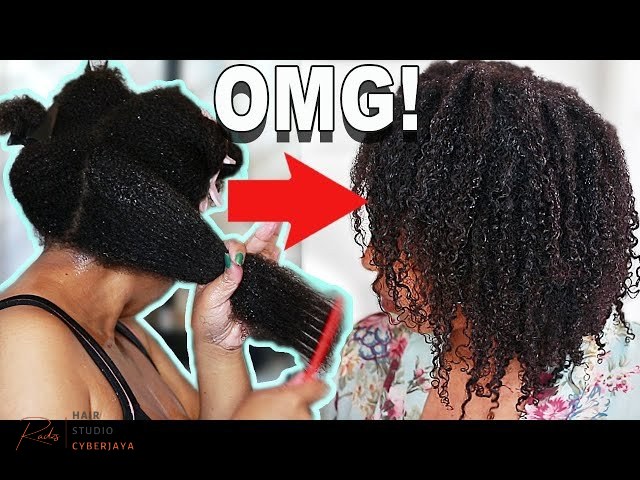
The specific purpose of rinse-out conditioners for natural hair
Rinse-out conditioners are an essential step in any hair care routine, especially for natural hair which often craves moisture. They are designed to follow shampooing, working to replenish lost moisture, smooth the hair cuticle, and detangle strands, making them softer and easier to manage. These conditioners often contain a higher concentration of conditioning agents, oils, and sometimes proteins, meant to penetrate the hair shaft for a short period.
The key is in their name: “rinse-out.” They are formulated to be completely washed away from the hair and scalp. If left in, the heavier ingredients can accumulate, leading to product build-up, which can suffocate hair follicles, block moisture absorption, and leave your hair feeling greasy or stiff. This build-up can also attract more dirt and pollutants, making your hair look dull and unhealthy. For optimal results, always follow the instructions and rinse thoroughly.

Why leave-in conditioners are formulated differently for continuous benefits
Leave-in conditioners are specifically engineered to provide ongoing moisture, protection, and styling assistance without the need for rinsing. Their formulations are much lighter than rinse-out conditioners, often featuring water as a primary ingredient, along with various botanical extracts, humectants, and lightweight oils. These ingredients are chosen for their ability to be absorbed by the hair without leaving a sticky or greasy residue.
The primary role of a leave-in conditioner is to provide a protective barrier against environmental stressors, prevent moisture loss throughout the day, and enhance hair’s elasticity and softness. Many also offer detangling benefits and can act as a primer before applying styling products. This continuous hydration is particularly beneficial for natural hair, which tends to be drier and more prone to breakage. Radzs Hair Studio recommends integrating a quality leave-in into your routine for consistent hair health.

The potential negative effects of leaving conditioner in natural hair
While the thought of extra moisture might seem appealing, leaving conditioner in natural hair that isn’t formulated for it can lead to several undesirable consequences. These issues range from aesthetic problems like dullness and greasiness to more serious concerns like scalp irritation and hair damage. The unique structure of natural hair, with its often porous and coily nature, can be particularly susceptible to the negative impacts of improper product use.
Understanding these potential drawbacks is key to making informed decisions about your hair care routine. By knowing what to avoid, you can protect your hair and maintain its health and vibrancy. Let’s delve into the specific problems that can arise when you don’t rinse out your regular conditioner.
Product build-up and scalp irritation when not rinsing
One of the most common and immediate issues from not rinsing out regular conditioner is product build-up. Rinse-out conditioners often contain heavier emollients, silicones, and waxes that, when not washed away, can accumulate on the hair strands and scalp. This creates a dull, greasy film that can weigh down your natural curls, making them lose their bounce and definition.
Furthermore, this build-up can clog your hair follicles, hindering healthy hair growth and potentially leading to scalp irritation. A clogged scalp can become itchy, flaky, and even develop conditions like folliculitis. For those with sensitive skin, this can be particularly problematic, causing redness and discomfort. Proper rinsing ensures your scalp can breathe and your hair remains clean and receptive to subsequent styling products.

Hair damage and dullness from heavy residues
Beyond scalp issues, leaving rinse-out conditioner in your natural hair can significantly impact the health and appearance of your strands. The heavy residues can prevent your hair from absorbing proper moisture from the environment or from other styling products, leading to chronic dryness. Ironically, trying to add moisture by not rinsing can lead to the opposite effect over time.
This persistent residue can also make your hair feel stiff, brittle, and prone to breakage. When the hair cuticle is constantly coated with unrinsed product, it can’t function optimally, leading to a dull, lifeless appearance. Your natural hair loses its natural luster and bounce, becoming harder to style and more susceptible to damage from everyday manipulation. It’s crucial to allow your hair to be truly clean and hydrated to maintain its natural beauty and strength.

How to properly incorporate leave-in conditioners into your natural hair routine
Incorporating a leave-in conditioner correctly is a game-changer for natural hair, providing essential moisture, protection, and manageability. The goal is to maximize its benefits without overwhelming your strands. The application method and frequency play crucial roles in achieving the best results and ensuring your hair remains hydrated and healthy.
Choosing the right product is just the first step; knowing how and when to use it makes all the difference. Let’s explore the optimal techniques for applying leave-in conditioners and how often you should reach for them to keep your natural hair thriving.
Applying leave-in conditioner for maximum effectiveness
To get the most out of your leave-in conditioner, start with clean, damp hair. After shampooing and conditioning (and rinsing out that conditioner completely!), gently towel-dry your hair to remove excess water. It should be damp, not soaking wet, allowing the leave-in to absorb effectively without being diluted.
Dispense a small amount of leave-in conditioner into your palms and gently work it through your hair, focusing on the mid-lengths and ends, which tend to be the driest. If you have thick or very long hair, you might want to section your hair to ensure even distribution. Use your fingers or a wide-tooth comb to detangle, working from the ends upwards to prevent breakage. Avoid applying too much directly to the scalp, as this can lead to greasiness or product build-up.

Frequency of use for natural hair types
The ideal frequency for using a leave-in conditioner depends largely on your hair type, porosity, and the current state of your hair. For most natural hair types, particularly those prone to dryness, using a leave-in conditioner after every wash day is highly beneficial. This typically means 1-2 times a week, corresponding with your shampoo and deep conditioning routine.
If your hair is extremely dry or you live in a particularly arid climate, you might find that light applications of leave-in on non-wash days can help refresh and re-moisturize your strands. However, be mindful not to overdo it, as too much product can still lead to build-up, even with a lighter formula. Listen to your hair – if it feels dry, a little extra can help, but if it starts to feel heavy or coated, reduce the frequency or amount.

Key ingredients to look for in a leave-in conditioner for natural hair
When selecting a leave-in conditioner for your natural hair, paying attention to the ingredient list is paramount. The right ingredients can make a significant difference in how your hair retains moisture, manages frizz, and stays protected. Different ingredients offer various benefits, catering to specific needs such as intense hydration, strength, or frizz control.
Understanding what to look for can help you make an informed choice that truly supports the health and beauty of your natural strands. Let’s break down the essential components that make a leave-in conditioner effective for natural hair.
Hydrating ingredients for moisture retention
For natural hair, hydration is key, so look for leave-in conditioners rich in humectants and emollients. Humectants like glycerin, hyaluronic acid, and aloe vera draw moisture from the air into your hair, keeping it supple. Emollients such as shea butter, argan oil, jojoba oil, and coconut oil help to seal in that moisture, reducing evaporation and keeping your strands soft and conditioned.
Ingredients like fatty alcohols (e.g., cetearyl alcohol, cetyl alcohol) also contribute to conditioning without the drying effects of some harsher alcohols. Opting for products where these hydrating components are listed high on the ingredient list ensures you’re getting a potent dose of moisture-boosting power. At Radzs Hair Studio, we emphasize that consistent hydration is the bedrock of healthy natural hair.

Protective and strengthening components
Beyond moisture, natural hair also benefits from ingredients that offer protection and strength. Proteins like hydrolyzed wheat protein, silk protein, or keratin can help strengthen the hair shaft, reducing breakage and improving elasticity, especially for hair that has been chemically treated or is prone to damage. However, be mindful of protein overload, as too much can make hair stiff.
Antioxidants from ingredients like green tea extract, vitamin E, or rosemary extract can protect your hair from environmental damage, including UV rays and pollution. Ingredients like panthenol (Vitamin B5) also help to improve elasticity, add shine, and retain moisture within the hair shaft. Choosing a leave-in with a balanced blend of these ingredients ensures your natural hair receives comprehensive care.

Common misconceptions about leaving conditioner in natural hair
The world of natural hair care is full of tips, tricks, and unfortunately, a few misconceptions. One of the most persistent myths revolves around leaving conditioner in natural hair. Many people believe that more product equals more moisture, leading them to misuse products in ways that can actually harm their hair.
It’s important to debunk these myths to ensure you’re providing your natural hair with the best possible care. Understanding the science behind hair products and their intended use will empower you to make healthier choices for your strands. Let’s clarify some widespread misunderstandings.
Myth: Any conditioner can be a leave-in for extra moisture
This is perhaps the biggest misconception. As discussed, rinse-out conditioners and leave-in conditioners are fundamentally different in their chemical composition and purpose. Rinse-out conditioners are designed for temporary contact, and their ingredients are often heavier and formulated to cling to the hair briefly before being rinsed away. Leaving them in will not necessarily provide “extra moisture” in a beneficial way.
Instead, it can lead to a host of problems including excessive build-up, a greasy feel, and an inability for your hair to absorb actual hydration. Think of it like trying to wear a face mask as a moisturizer all day – it’s simply not designed for that continuous wear and will likely cause more problems than it solves. Always use products as directed for optimal results.

Myth: Protein conditioners should be left in longer for strength
While protein is a vital component for strengthening natural hair, especially hair that is damaged or weak, the idea of leaving protein conditioners in longer than recommended for enhanced strength is a dangerous myth. Protein treatments, whether in a rinse-out or deep conditioner, are often potent and designed to work within a specific timeframe.
Over-processing with protein can lead to protein overload, making your hair stiff, brittle, and even more prone to breakage. It creates an imbalance in your hair’s moisture-protein ratio, leading to hair that feels hard and snaps easily. Always follow the instructions on protein-rich products and prioritize a balance of protein and moisture in your routine to maintain healthy, resilient natural hair.

Choosing the right leave-in conditioner for your natural hair type
Navigating the vast array of leave-in conditioners can be daunting, but selecting the right one for your specific natural hair type is crucial for optimal results. Just as no two natural hair journeys are identical, neither are the ideal products. Factors like curl pattern, porosity, and desired benefits all play a significant role in making the best choice.
Understanding your hair’s unique characteristics will guide you toward formulas that truly enhance its health and beauty. Let’s explore how to pinpoint the perfect leave-in conditioner for your coils, curls, and waves.
Considering hair porosity and curl pattern
Your hair’s porosity – its ability to absorb and retain moisture – is a major factor in choosing a leave-in. Low porosity hair, with tightly sealed cuticles, can be easily weighed down. It benefits from lighter, water-based leave-ins that penetrate easily without heavy oils. High porosity hair, with open cuticles, needs richer, creamier leave-ins with humectants and emollients to seal in moisture and prevent rapid evaporation.
Curl pattern also influences product choice. Finer, looser curls (2A-3B) might thrive with sprays or milky textures that offer hydration without sacrificing bounce. Tighter coils and kinks (3C-4C) often require thicker, more emollient creams or butters to provide intense moisture and definition. Experimentation, coupled with understanding your hair’s needs, is key.

Table: Matching leave-in conditioners to natural hair needs
To help you pinpoint the best leave-in conditioner for your unique natural hair, here’s a quick guide based on common hair needs and characteristics:
| Natural Hair Need/Type | Recommended Leave-In Conditioner Characteristics | Key Ingredients to Look For |
|---|---|---|
| Dry, Coarse Hair (High Porosity) | Rich, creamy formulas; thicker consistency. | Shea butter, coconut oil, avocado oil, ceramides, glycerin (high on list). |
| Fine, Low Porosity Hair | Lightweight sprays or milks; water-based. | Aloe vera, rosewater, lightweight botanical extracts, panthenol. |
| Damaged, Brittle Hair | Fortifying formulas; contains protein. | Hydrolyzed wheat protein, keratin, amino acids, biotin. |
| Frizzy Hair | Smoothing formulas; humidity-resistant. | Argan oil, jojoba oil, silicones (if not avoided), humectants (in balanced amounts). |
| Defined Curls/Coils | Creams or gels that offer hold and moisture. | Flaxseed gel, pequi oil, marshmallow root, aloe vera, castor oil. |
This table provides a general guideline, but remember that individual results can vary. Don’t be afraid to try different products and adjust your routine based on how your hair responds. Listening to your hair’s feedback is the best way to develop a truly effective natural hair care regimen.

Frequently asked questions about leaving conditioner in natural hair
Can I use my deep conditioner as a leave-in conditioner?
No, deep conditioners are generally not suitable as leave-ins. They are formulated with heavier, more concentrated ingredients meant for temporary, intense conditioning and are designed to be thoroughly rinsed out. Leaving them in can lead to product build-up, greasiness, and weigh down your hair, counteracting their intended benefits.
What happens if I accidentally leave regular conditioner in my hair?
If you accidentally leave regular conditioner in, your hair might feel heavy, greasy, or sticky, and it could look dull. Over time, it can lead to scalp irritation, clogged pores, and product build-up, potentially hindering healthy hair growth. It’s best to rinse it out thoroughly at your next wash.
How often should I apply a leave-in conditioner to my natural hair?
Most natural hair types benefit from applying a leave-in conditioner after every wash day, typically 1-2 times a week. If your hair is particularly dry or you live in a dry climate, you might apply a small amount to refresh and re-moisturize on non-wash days, but be careful not to overdo it to avoid build-up.
Will leaving conditioner in my hair make it grow faster?
No, leaving conditioner in your hair, especially rinse-out conditioner, will not make it grow faster. Hair growth is primarily influenced by genetics, diet, and scalp health. While proper conditioning supports healthy hair and reduces breakage, leading to better length retention, leaving in the wrong product can actually impede scalp health and growth.
Are there any conditioners that are safe to leave in if not labeled as “leave-in”?
Generally, it’s safest to only leave in products specifically labeled as “leave-in” conditioners, “no-rinse,” or “leave-on” treatments. These products are formulated with lighter ingredients meant to stay on your hair without causing build-up or issues. Always read product labels and follow instructions for the best results for your natural hair.

Final thoughts on leaving conditioner in natural hair
Understanding the nuances of leaving conditioner in natural hair is crucial for maintaining its health and beauty. As we’ve explored, while the desire for extra moisture is understandable, using a rinse-out conditioner as a leave-in is not the way to achieve it. These products are formulated with different intentions, and misusing them can lead to a host of problems from product build-up and scalp irritation to dullness and hair damage.
Instead, embrace the power of dedicated leave-in conditioners. These lighter, purpose-built formulas provide continuous hydration, protection, and manageability without weighing down your precious curls and coils. By choosing the right leave-in conditioner for your specific hair type and porosity, and applying it correctly, you can unlock your natural hair’s full potential.
We hope this comprehensive guide has clarified the distinctions and empowered you to make informed decisions for your hair care routine. For personalized advice and expert natural hair care services, don’t hesitate to visit us at Radzs Hair Studio Cyberjaya. Let us help you achieve your healthiest, most beautiful natural hair yet!