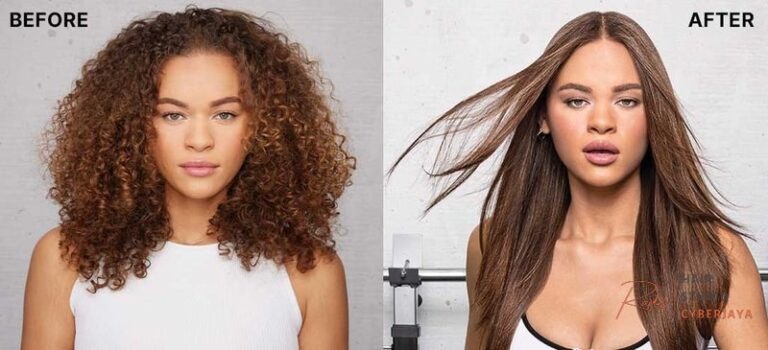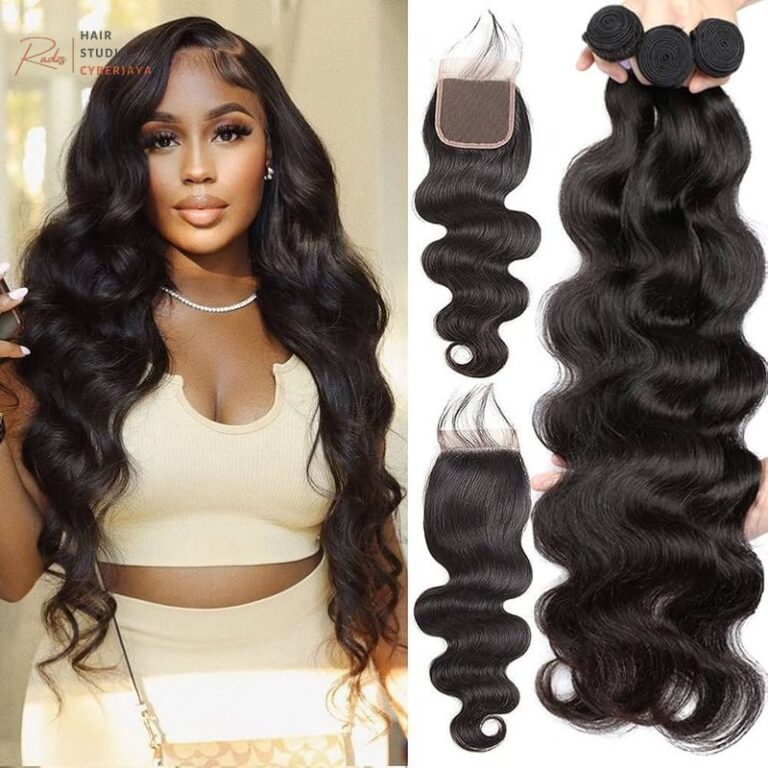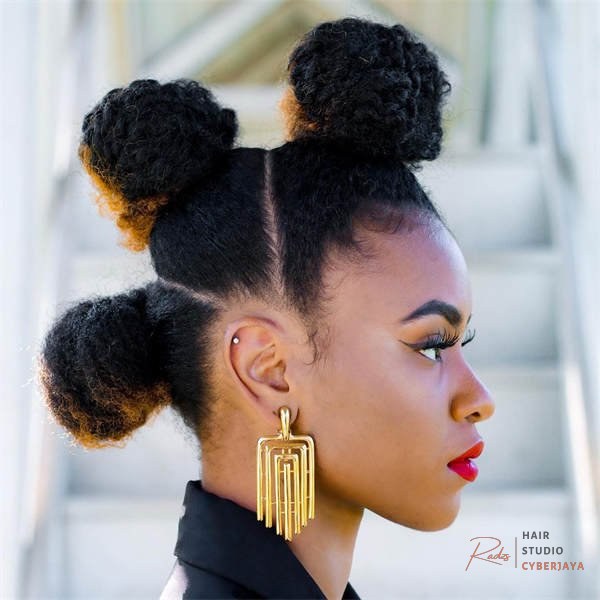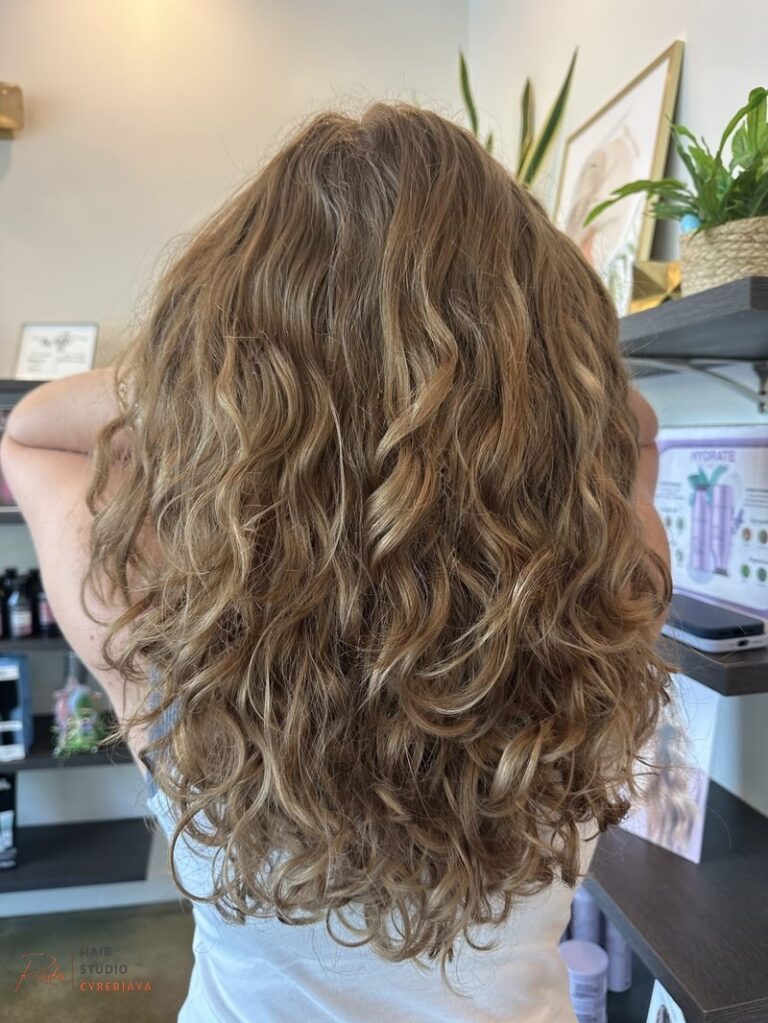


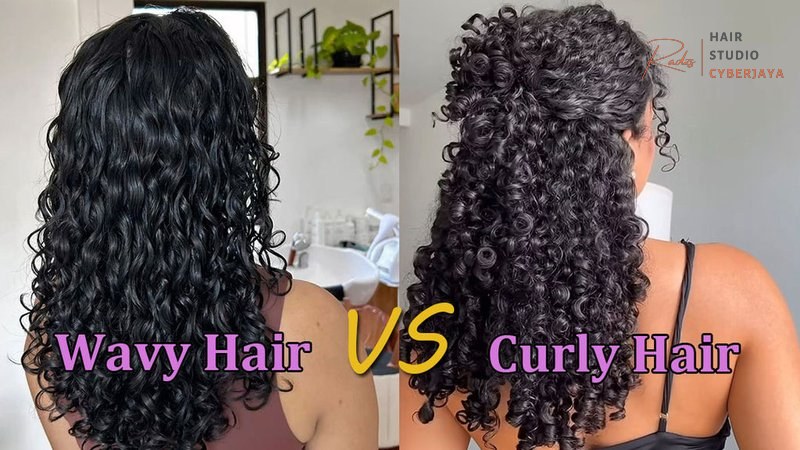
Are you constantly wondering if your locks are wavy or truly curly? The distinction between Radzs Hair Studio Cyberjaya understands that distinguishing between wavy hair vs curly hair can be quite a puzzle for many. At the most basic level, wavy hair forms elongated S-shaped curves, while curly hair forms tighter loops or spirals, even loose ones. This article aims to clarify these differences, helping you understand your unique hair type and how to care for it effectively. Whether your hair is gently undulating or springing into tight coils, knowing its true nature is the first step towards achieving its full potential.
Unveiling the Fundamental Differences Between Wavy and Curly Hair
The core difference between wavy and curly hair lies in the shape of the follicle your hair grows out of from your scalp. This fundamental difference dictates the curl pattern, affecting everything from how your hair holds style to the products it needs. Wavy hair typically emerges from an oval-shaped follicle, leading to softer, S-shaped patterns. In contrast, curly hair often comes from a more flattened, elliptical follicle, which creates tighter, more defined curls or spirals.
Understanding these basic biological distinctions is crucial because it informs the entire approach to hair care and styling. Treating wavy hair as if it’s curly, or vice versa, can lead to frustration and less-than-ideal results. Each hair type has its own set of rules, from washing routines to styling products, all designed to enhance its natural beauty and minimize common issues like frizz or lack of definition.
Examining the Unique Characteristics of Wavy Hair
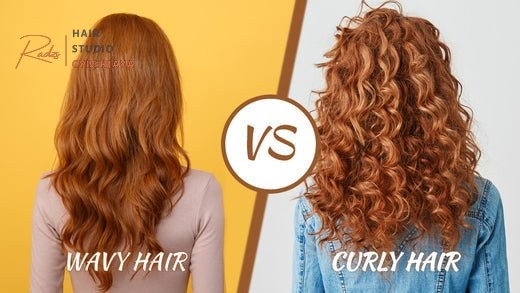
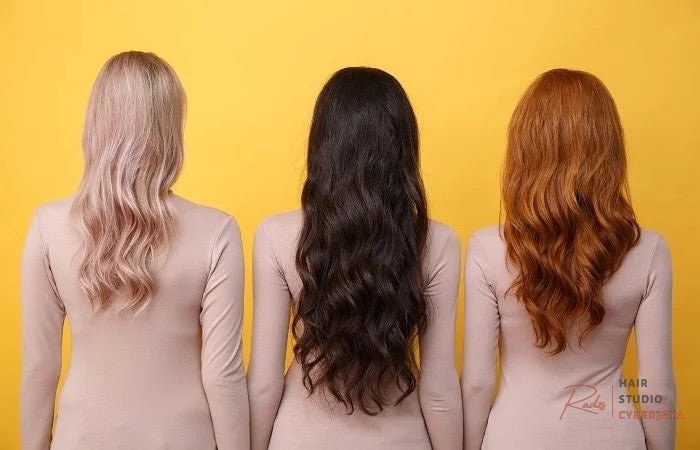
Wavy hair is often considered the loosest of the curl types, falling between straight and curly hair. It forms elongated S-shaped curves that can range from very loose, almost straight waves to more defined, beachy waves. Unlike straight hair, wavy hair possesses a natural texture that gives it body and movement, yet it doesn’t have the tight coils characteristic of curly hair.
Many individuals with wavy hair mistakenly treat it like straight hair that simply “misbehaves,” leading to it becoming weighed down or lacking definition. However, with the right approach, wavy hair can be beautifully enhanced to showcase its natural bounce and texture. It often thrives with lighter products that don’t overload the strands, allowing the waves to form without being pulled down.
Exploring the Distinct Characteristics of Curly Hair
Curly hair is characterized by distinct loops or spirals that are evident from the root. These curls ping back when you pull them and are individual formations that are separate across the head, unlike the consistent pattern often seen in wavy hair. The curl pattern in curly hair can vary significantly, from loose ringlets to tight, springy coils, each with its own unique charm and challenges.
This hair type often requires intense hydration and careful styling to prevent frizz and maintain its shape. Without proper care, curly hair can quickly become dry, dull, and lose its definition. The porosity of curly hair tends to be higher, meaning it absorbs and releases moisture more rapidly, which necessitates a focus on moisturizing products and techniques designed to lock in hydration.
Distinguishing the Visual and Textural Aspects of Wavy vs Curly Hair
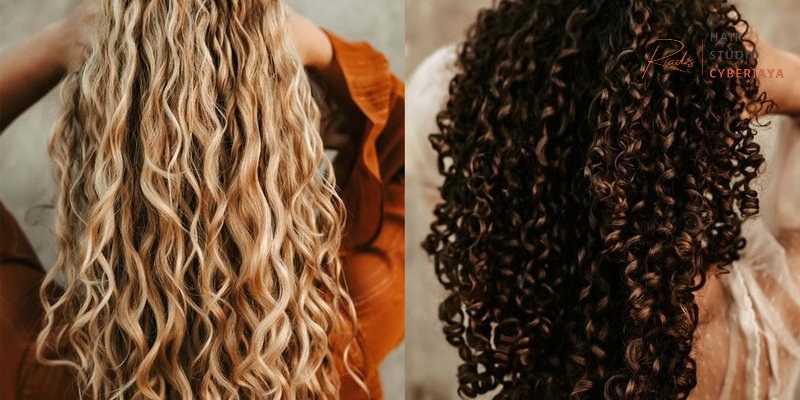
The visual and textural differences between wavy and curly hair are quite apparent once you know what to look for. Wavy hair tends to have a more relaxed, flowing appearance, with strands that create soft bends. It often has more bounce and volume at the root, gradually forming into the S-shape pattern towards the ends.
On the other hand, curly hair exhibits a more structured and defined look, with each curl forming a distinct helix. The texture is usually springier, and the hair can feel coarser or drier due to its tendency to lift the cuticle more easily. This distinction is not just about aesthetics but also about how the hair feels to the touch and reacts to different environmental conditions.
Identifying Wavy Hair Patterns
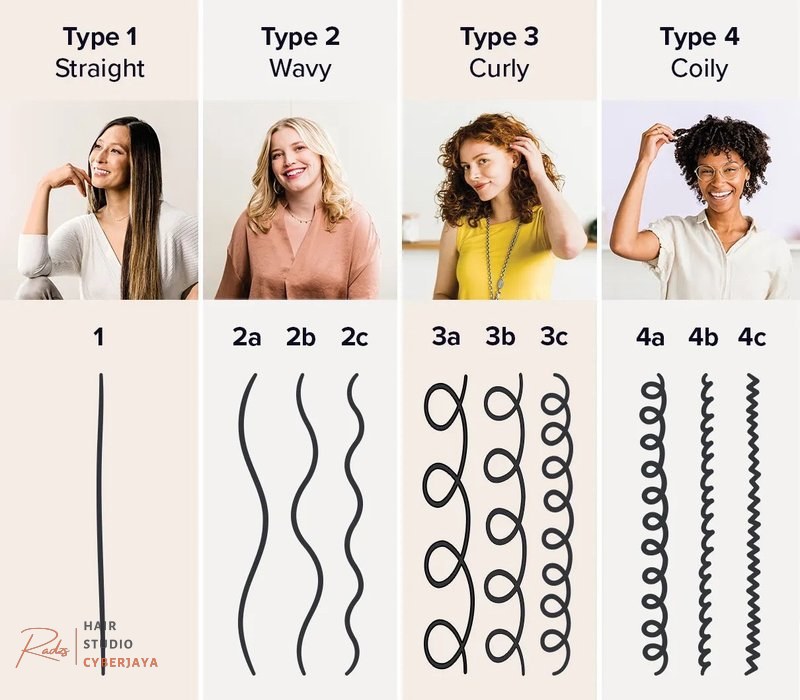
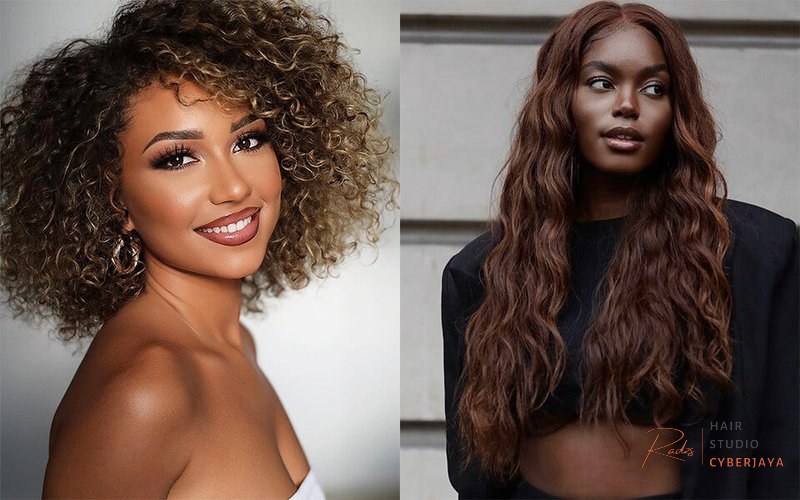
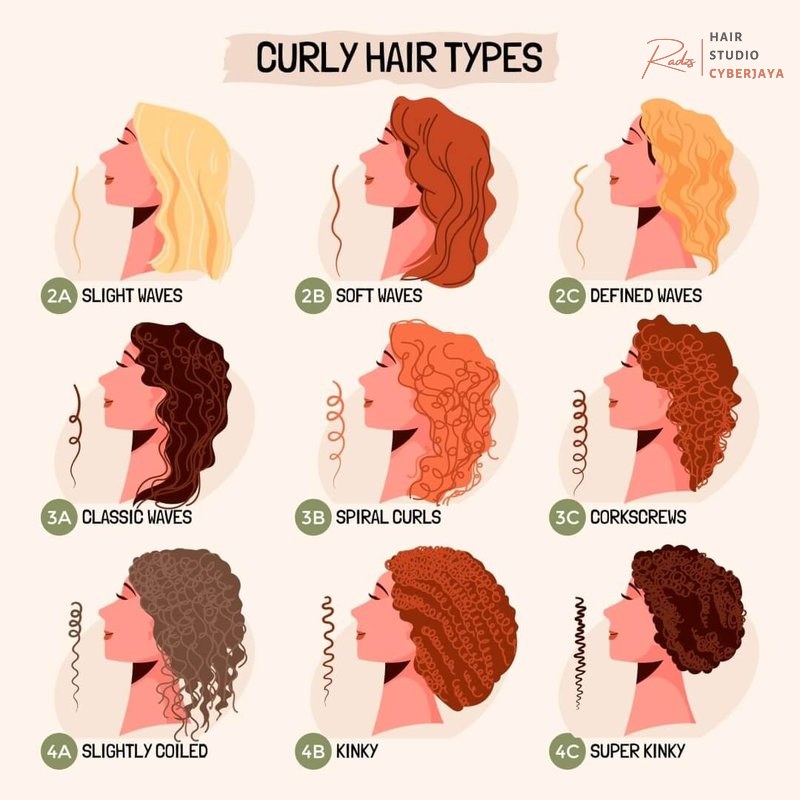
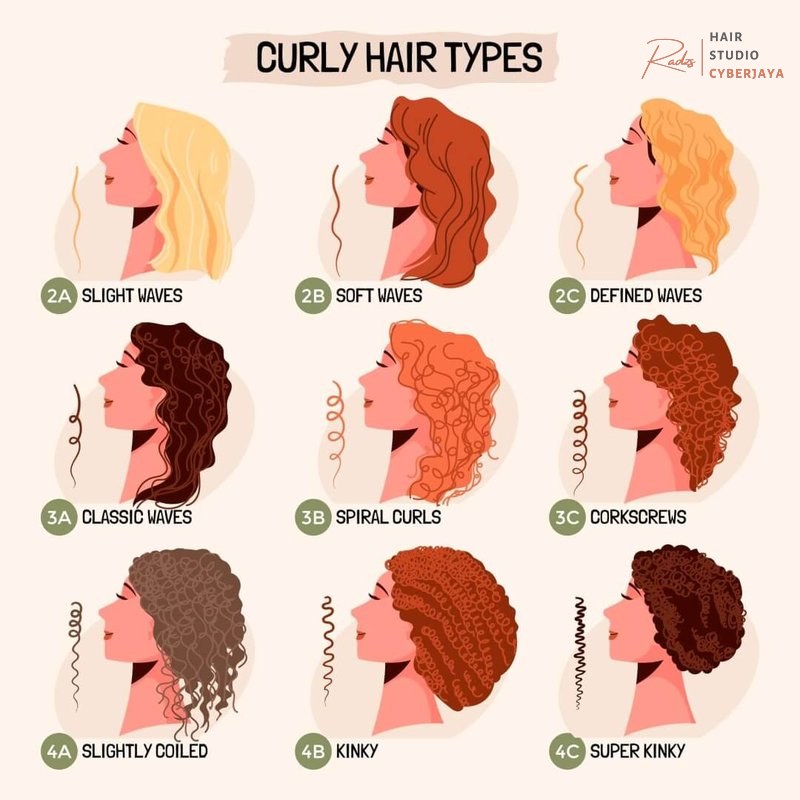
Wavy hair patterns typically fall into categories ranging from 2A to 2C. Type 2A waves are very loose and subtle, almost appearing straight but with a slight bend. Type 2B waves are more defined S-shapes, usually flatter at the root and more wavy towards the ends. Type 2C waves are the most defined, with pronounced S-bends that start closer to the root and can sometimes have a few loose curls mixed in.
People with wavy hair often find it has more natural movement than straight hair but can be prone to frizz if not properly managed. It benefits from lightweight products that enhance the wave pattern without weighing it down. Think mousses, gels, and sprays that offer light hold and moisture.
Recognizing Curly Hair Patterns
Curly hair patterns are generally classified from 3A to 3C. Type 3A curls are loose, bouncy ringlets that can be easily stretched. Type 3B curls are more spiral-like, with a tighter circumference similar to a sharpie marker. Type 3C curls are even tighter, corkscrew-like curls that are dense and packed together, resembling a pencil in size.
This type of hair often experiences significant shrinkage, where the hair appears much shorter when dry than when wet. It requires a diligent routine focused on moisture, deep conditioning, and protective styling to maintain health and definition. Products rich in humectants and emollients are particularly beneficial for curly hair, helping to keep it hydrated and vibrant.
Care and Styling Essentials for Wavy Hair vs Curly Hair
Caring for wavy hair versus curly hair requires completely different sets of rules and product choices. The unique structure of each hair type means that what works wonders for one can be detrimental to the other. At Radzs Hair Studio Cyberjaya, we emphasize the importance of tailored care routines to bring out the best in your natural texture.
For instance, heavy butters and oils that are a godsend for thirsty curly hair might weigh down delicate waves, making them appear greasy and lifeless. Conversely, lightweight gels that enhance wavy patterns may not provide enough hold or moisture for more structured curls. Understanding these nuances is key to selecting the right products and techniques for your specific hair type, ensuring optimal health, definition, and shine.
Optimal Care and Styling for Wavy Hair
Wavy hair thrives on products that offer light moisture and flexible hold without causing buildup. Shampoos and conditioners should be sulfate-free and formulated to hydrate without stripping natural oils or weighing down the waves. Look for ingredients like aloe vera, glycerin, and lightweight oils such as argan or jojoba.
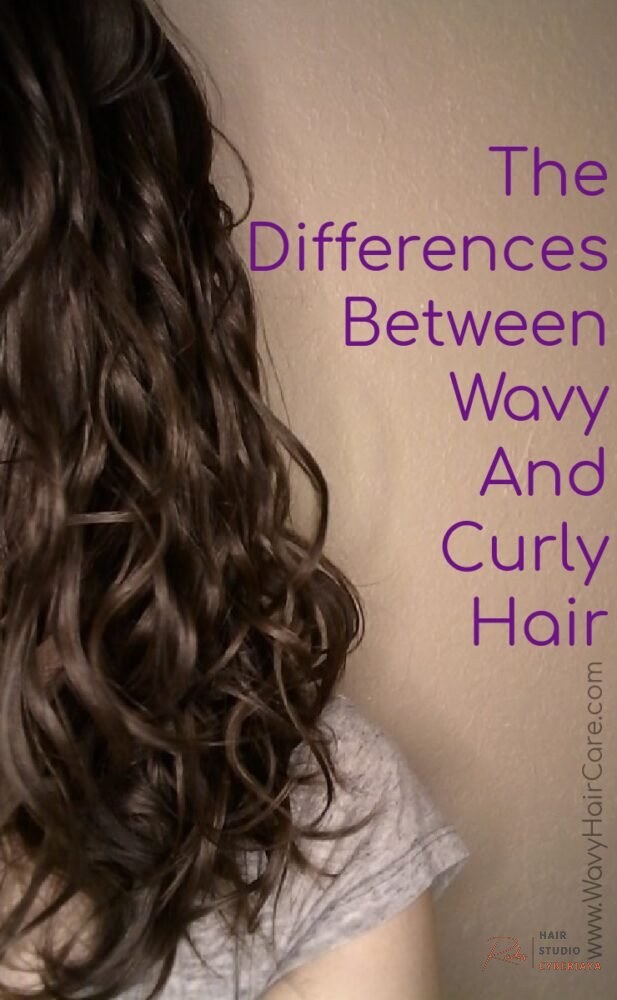
When styling, using a mousse or a light gel can help define the S-shape pattern. It is often beneficial to apply products to damp hair and then scrunch gently to encourage wave formation. Air drying or diffusing on a low heat setting can prevent frizz and enhance natural texture. Avoid over-brushing wavy hair when dry, as this can break up the wave pattern and lead to frizz.
Optimal Care and Styling for Curly Hair
Curly hair demands a regimen focused on intense hydration and strong hold to combat dryness and maintain curl definition. Moisture-rich shampoos and conditioners, often featuring shea butter, coconut oil, or other nourishing ingredients, are essential. Deep conditioning treatments once or twice a week are also highly beneficial for curly hair, replenishing moisture and improving elasticity.
Styling curly hair often involves leave-in conditioners, curl creams, and stronger hold gels to define the coils and minimize frizz. The “squish to condish” method is popular for deeply hydrating curls, and applying products to soaking wet hair can help clump curls together. Diffusing is often preferred over air drying to maintain curl shape and reduce drying time. For curly hair, hydration and hold are truly key—without them, frizz takes over and curls lose their shape, which is why styling is everything in the Curly Method.
Embracing Your Natural Hair Texture: Wavy or Curly Hair
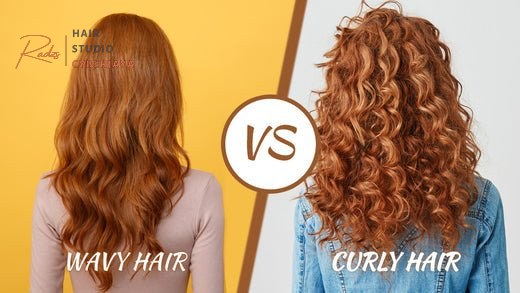
Embracing your natural hair texture, whether it’s wavy or curly, is a journey of self-discovery and acceptance. For too long, many have struggled to categorize their hair, often trying to force it into a mold that doesn’t fit. Recognizing the unique qualities of your hair is the first step towards a healthier, happier relationship with your locks. It means letting go of conventional beauty standards that might prioritize straight hair and instead celebrating the volume, bounce, and distinct patterns that make your hair uniquely yours.
At Radzs Hair Studio Cyberjaya, we believe that every hair type is beautiful and deserves specialized care. Understanding the difference between wavy or curly hair empowers you to choose the right products and techniques that enhance your natural texture, rather than fighting against it. This not only leads to better hair days but also boosts confidence and fosters a deeper appreciation for your natural beauty.
Common Misconceptions About Wavy and Curly Hair
One of the most common misconceptions is that wavy hair is simply “messy” straight hair. This often leads individuals to treat their waves with products designed for straight hair, resulting in limpness, greasiness, or undefined waves. Another misconception is that all curly hair is the same, overlooking the vast spectrum from loose spirals to tight coils, each requiring specific approaches.
Many also believe that frizz is an inherent flaw of wavy and curly hair, when often it’s a sign of improper hydration or product use. Educating oneself on these distinctions is vital. It’s also important to remember that hair types can change over time due to hormones, age, or environmental factors, making continuous observation and adaptation of your routine essential.
Tips for Identifying Your True Hair Type
To accurately identify your true hair type, start by washing your hair with a clarifying shampoo to remove any product buildup. Avoid applying any styling products afterward. Let your hair air dry completely. Once dry, observe your hair closely in natural light.
Do your strands form gentle S-shapes, or do they coil into distinct loops or spirals? Pay attention to how consistently the pattern repeats across your head. Taking photos from different angles can also help. If you’re still unsure, consider visiting a professional stylist experienced in textured hair, who can provide an expert assessment and personalized advice.
Wavy Hair vs Curly Hair: A Comparative Table
To further clarify the distinctions, here’s a comparative table highlighting the key differences between wavy and curly hair types:
| Feature | Wavy Hair | Curly Hair |
|---|---|---|
| Follicle Shape | Oval | Elliptical/Flattened |
| Curl Pattern | S-shaped waves (loose to defined) | Loops or spirals (loose ringlets to tight coils) |
| Volume | Often good volume at the root | Can be voluminous, especially when well-hydrated |
| Shrinkage | Minimal | Significant (hair appears shorter when dry) |
| Frizz Tendency | Prone to frizz if humidity is high or not properly hydrated | Very prone to frizz without proper moisture and hold |
| Moisture Needs | Moderate; can be easily weighed down | High; requires intense hydration and deep conditioning |
| Best Products | Lightweight mousses, gels, sprays; sulfate-free shampoos | Curl creams, leave-ins, strong hold gels; moisturizing, sulfate-free shampoos and deep conditioners |
| Styling Method | Scrunching, air drying, diffusing on low heat | Squish to condish, shingling, diffusing, protective styling |
Frequently Asked Questions About Wavy vs Curly Hair
Is wavy hair a type of curly hair?
Yes, wavy hair is generally considered a type of curly hair, specifically falling into the Type 2 category within the hair typing system. It’s the loosest form of curl, characterized by S-shaped patterns rather than full spirals or coils, but it still possesses a natural bend and texture that sets it apart from straight hair.
Can wavy hair turn curly?
Sometimes, wavy hair can appear curlier or develop more defined curl patterns due to various factors like hormonal changes (e.g., puberty, pregnancy), different product usage, or even climate. However, its fundamental follicle shape, which determines its natural tendency, usually remains consistent, meaning significant permanent changes are rare without external interventions like perms.
How can I tell if my hair is wavy or curly?
To determine if your hair is wavy or curly, wash it with a clarifying shampoo and let it air dry completely without any products. Observe the pattern that forms. Wavy hair forms S-shapes, while curly hair forms tighter loops or spirals. Pay attention to the consistency of the pattern and how much your hair shrinks as it dries.
What makes hair wavy or curly?
The primary factor that makes hair wavy or curly is the shape of your hair follicles. Oval-shaped follicles produce wavy hair, while more flattened or elliptical follicles produce curly hair. The angle at which the hair grows out of the scalp also plays a role, influencing the tightness and direction of the curl.
Do wavy and curly hair need different products?
Yes, wavy and curly hair generally require different products due to their distinct needs. Wavy hair often benefits from lighter products that provide definition without weighing down the waves, focusing on flexible hold. Curly hair typically needs richer, more moisturizing products and stronger hold to combat dryness, prevent frizz, and maintain its coil structure.
Conclusion
Understanding the distinction between wavy hair vs curly hair is more than just identifying a pattern; it’s about unlocking the potential of your natural beauty. This comprehensive guide has explored the fundamental differences, from follicle shape to care requirements, equipping you with the knowledge to cherish and nurture your unique hair type. We’ve seen that while both possess beautiful texture, their specific needs for moisture, hold, and styling are distinct, making a tailored approach essential.
By learning to differentiate between wavy hair vs curly hair, you can avoid common misconceptions and embrace routines that truly work for you. At Radzs Hair Studio Cyberjaya, we are committed to helping you on this journey. We hope this article has provided valuable insights, empowering you to confidently care for your locks and celebrate the gorgeous waves or curls you possess. Ready to give your hair the specialized care it deserves? Visit Radzs Hair Studio Cyberjaya today for expert advice and services tailored to your unique hair type.